Counter: While Everyone Focused on Iran's Funeral for Ali Khamenei, Lebanon's Healthcare System Was the Real Story — 4,298 Dead, 12,196 Injured Since March

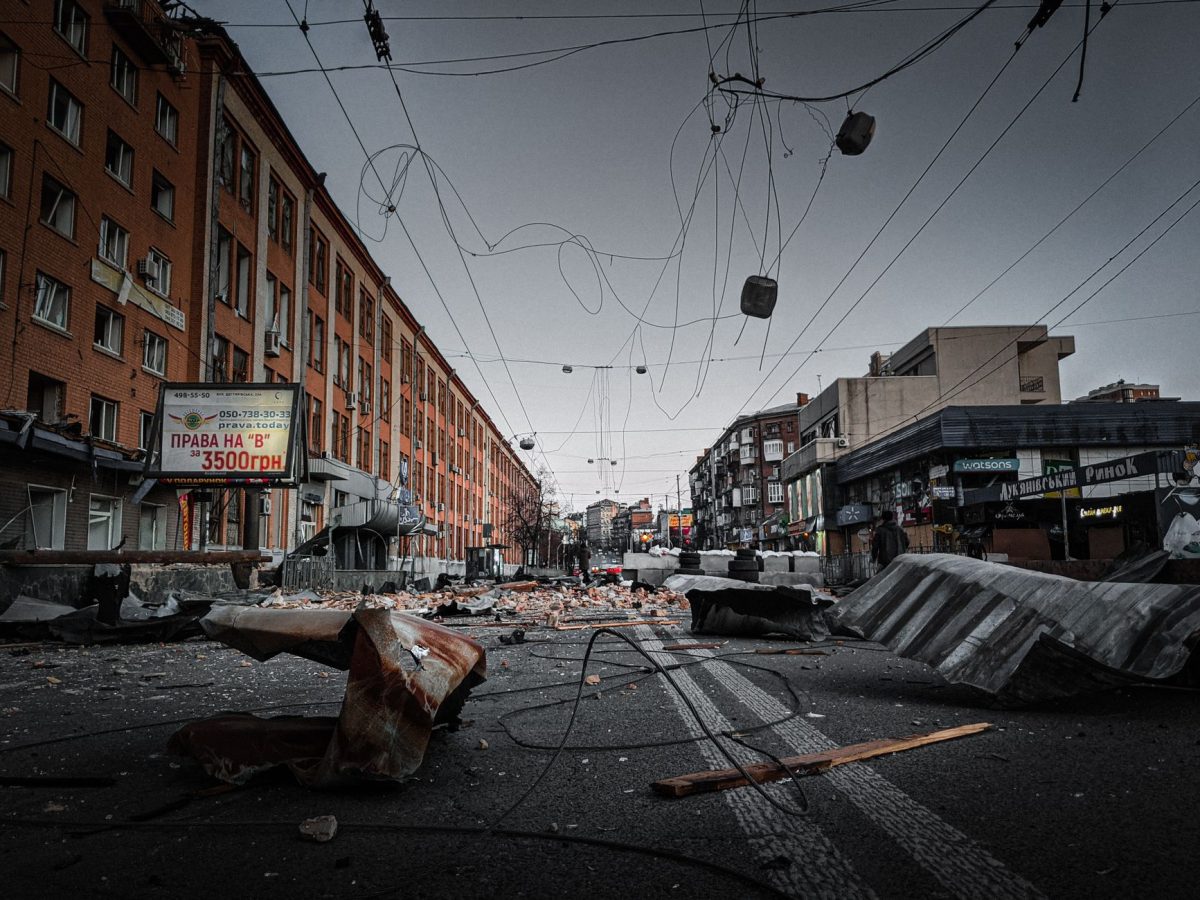
The death toll in Lebanon from Israeli attacks has surpassed 4,298, with 12,196 injured since March, yet the focus remains on Iran's funeral for supreme leader Ali Khamenei. This discrepancy highlights the disproportionate attention given to regional conflicts, especially when Western powers are involved. The devastating impact on Lebanon's healthcare system is a stark reminder of the human cost of such conflicts.
Iran Hosts a State Funeral for Ali Khamenei, While Lebanon's Healthcare System Reels Under Israeli Attacks
Iran is holding a state funeral for its supreme leader Ali Khamenei, a somber occasion that has drawn global attention. However, in Lebanon, the situation is dire. Israeli attacks have ravaged the country's healthcare system, with many hospitals and medical facilities either destroyed or severely damaged. According to the Lebanese Health Ministry, at least 4,298 people have been killed and 12,196 injured in these attacks since March. The scale of the destruction is unprecedented in recent history. As the international community focuses on Iran's mourning, the plight of Lebanon's healthcare system remains largely overlooked. Account to the Lebanese Health Ministry reveals the sheer magnitude of the crisis: 'In the past month alone, we have seen a 300% increase in casualties from Israeli attacks, with many of our medical staff either killed or injured in the process.'
The Human Cost of Regional Conflicts
The disproportionate attention given to regional conflicts, especially when Western powers are involved, can have a devastating impact on the local population. In this case, the focus on Iran's funeral for Ali Khamenei has overshadowed the humanitarian crisis in Lebanon. The healthcare system is on the brink of collapse, with many medical facilities operating at reduced capacity or even closed due to the lack of resources. The consequences for ordinary people are severe: delayed medical treatment, increased mortality rates, and a general breakdown of public services. In the long run, this can lead to a destabilization of the entire region. The international community must acknowledge the human cost of such conflicts and provide support to affected countries. The situation in Lebanon serves as a stark reminder of the need for more nuanced and context-specific responses to regional conflicts.

“'We are doing everything in our power to provide aid to Lebanon, but it's a complex situation that requires a sustained effort from the international community.' - UN Secretary-General António Guterres, during a recent press conference.”
What We Don't Know Yet
Despite the devastating impact of Israeli attacks on Lebanon's healthcare system, there are still many unknowns. The full extent of the destruction is not yet clear, with many medical facilities still inaccessible due to security concerns. The international community must prioritize the provision of aid and support to Lebanon to mitigate the crisis. Additionally, there is a need for more detailed reporting on the human cost of regional conflicts, including the specific impact on healthcare systems. This requires a more concerted effort from journalists, policymakers, and humanitarian organizations. Only through a more nuanced understanding of the situation can we hope to provide effective support to affected countries. The situation in Lebanon highlights the need for a more comprehensive approach to regional conflicts, one that prioritizes the human cost and the long-term consequences for affected communities.
Key Takeaways
- At least 4,298 people have been killed and 12,196 injured in Israeli attacks on Lebanon since March.
- The healthcare system in Lebanon is on the brink of collapse due to the scale of the destruction.
- The international community must prioritize the provision of aid and support to Lebanon to mitigate the crisis.
What to Watch in the Next 24-72 Hours
The situation in Lebanon is fluid, with new developments emerging by the hour. Key players in the region, including Iran and the US, will likely continue to shape the narrative around the conflict. The international community must remain vigilant and provide support to affected countries. In the next 24-72 hours, we can expect to see continued diplomatic efforts to resolve the crisis, as well as humanitarian aid pouring in to support the affected population. The response of regional powers to the crisis will be crucial in determining the long-term outcome. As the situation unfolds, we must remain focused on the human cost of regional conflicts and prioritize the provision of support to affected countries.
The Lebanese Health Ministry reports a 300% increase in casualties from Israeli attacks in the past month, with many medical staff either killed or injured in the process.
The situation in Lebanon serves as a stark reminder of the need for a more nuanced and context-specific response to regional conflicts. As the international community grapples with the crisis, we must prioritize the human cost and the long-term consequences for affected communities. Only through a more comprehensive approach can we hope to provide effective support to affected countries and mitigate the devastating impact of such conflicts.