Breaking: State Institutions Have Evidence of Indian Funding Behind JAAC's Agenda in AJK: Official

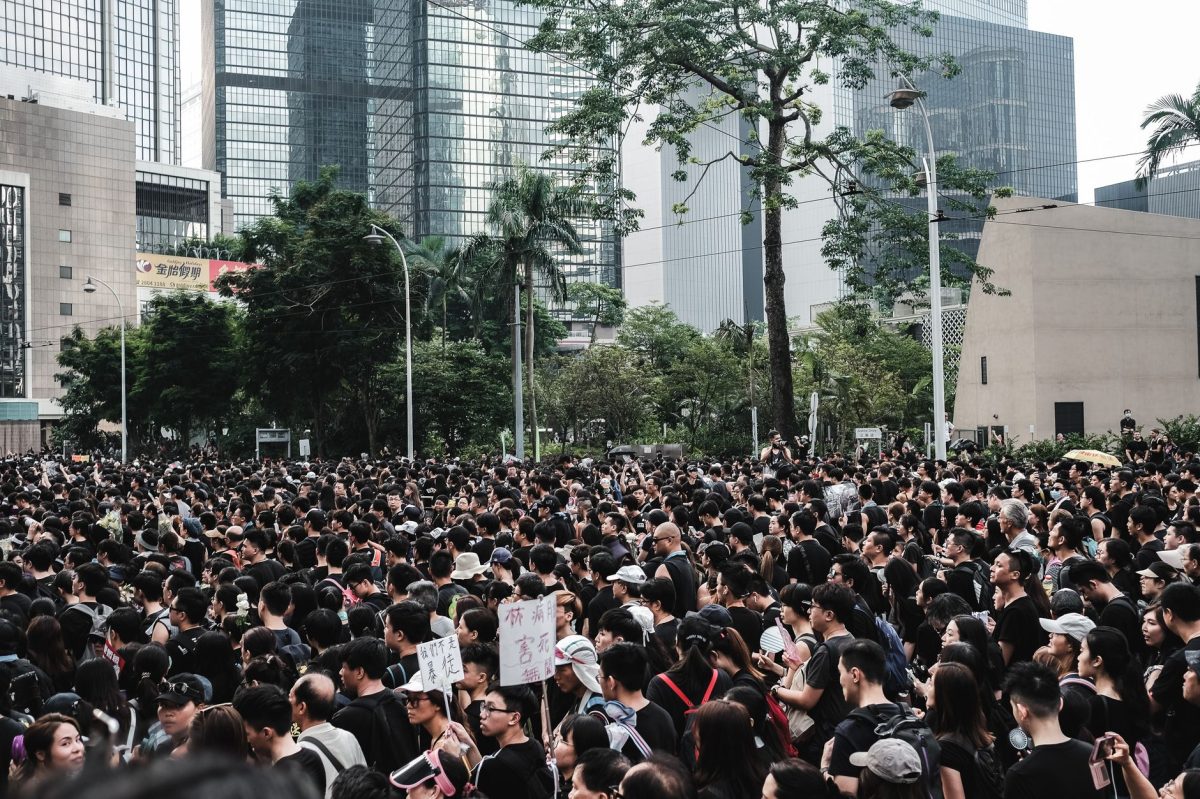
State institutions in Azad Jammu and Kashmir (AJK) claim to have evidence of Indian funding behind the banned Joint Awami Action Committee's (JAAC) agenda, according to Azad Jammu and Kashmir Information Department Secretary Muhammad Rashid Hanif. This revelation raises concerns about foreign interference in the region's politics and the potential impact on regional stability.
What Happened
According to sources, Azad Jammu and Kashmir Information Department Secretary Muhammad Rashid Hanif made this claim during a press conference on Monday. When questioned about the nature of the evidence, Hanif stated that state institutions have gathered substantial information about the banned group's financial dealings with Indian sources. He added that the evidence includes documents, recordings, and testimony from key individuals involved in the JAAC. This information is believed to have been collected through a combination of intelligence gathering and investigations carried out by state agencies. Specifically, Hanif mentioned that a key piece of evidence is a series of bank transactions that show a significant flow of money from India to JAAC's accounts in AJK. These transactions were allegedly facilitated by a local businessman with ties to Indian intelligence agencies. The details of this businessman's involvement are still unclear, but it is believed that he played a crucial role in channeling funds to the banned group.
What Changes for Ordinary People
The revelation of Indian funding behind JAAC's agenda could have a significant impact on the lives of ordinary people in AJK. Firstly, it could lead to a deterioration of the security situation in the region, as Indian-backed groups may try to exploit the situation to their advantage. This could result in increased violence and instability, making it difficult for people to live and work in AJK. Secondly, the involvement of local businessmen with ties to Indian intelligence agencies could lead to a crackdown on these individuals, potentially disrupting local economies and businesses. This could have a negative impact on the livelihoods of ordinary people who are dependent on these businesses for their income.


“State institutions have gathered substantial information about the banned group's financial dealings with Indian sources, including documents, recordings, and testimony from key individuals involved in the JAAC.”
What We Don't Know Yet
Despite the revelation of Indian funding behind JAAC's agenda, there are still many unanswered questions. Firstly, the extent of Indian interference in the region's internal affairs is still unclear. How deep are India's ties with JAAC, and what other groups are involved in this conspiracy? Secondly, the role of local businessmen with ties to Indian intelligence agencies is still shrouded in mystery. Who are these individuals, and how did they become involved in facilitating Indian interference in the region? Finally, what are the implications of this revelation for regional stability and the politics of AJK? How will Pakistan respond to this challenge, and what measures will be taken to prevent further Indian interference in the region's internal affairs?
Key Takeaways
- State institutions in AJK claim to have evidence of Indian funding behind JAAC's agenda.
- The evidence includes documents, recordings, and testimony from key individuals involved in the JAAC.
- The revelation has significant implications for regional stability and the politics of AJK.
- The Pakistani government will likely respond with a crackdown on JAAC and its affiliates.
- The role of local businessmen with ties to Indian intelligence agencies will come under scrutiny.
What to Watch
In the coming days and weeks, there are several key developments that will be worth watching. Firstly, the Pakistani government will likely respond to this revelation with a crackdown on JAAC and its affiliates. This could lead to a wave of arrests and detentions, potentially destabilizing the region. Secondly, India is likely to deny any involvement in JAAC's activities, but the evidence gathered by state institutions suggests that this is unlikely to be the case. Thirdly, the role of local businessmen with ties to Indian intelligence agencies will come under scrutiny, and it is likely that some of these individuals will be arrested or detained. Finally, the international community will be watching the situation closely, and it is likely that there will be calls for Pakistan and India to resolve their differences through dialogue and diplomacy.
Despite being a banned group, JAAC still has a significant following in AJK, with some estimates suggesting that up to 20% of the population supports their cause.
The situation in AJK is complex and multifaceted, and it will take time and effort to untangle the web of intrigue and deception that has been revealed. As the situation unfolds, it is essential that Pakistan and India engage in constructive dialogue to resolve their differences and work towards a more stable and peaceful region.