Iran War Exposed, Japan's Reliance on Imported Oil Remains Unchanged, 93% of Oil Imports Through Strait of Hormuz in 2023

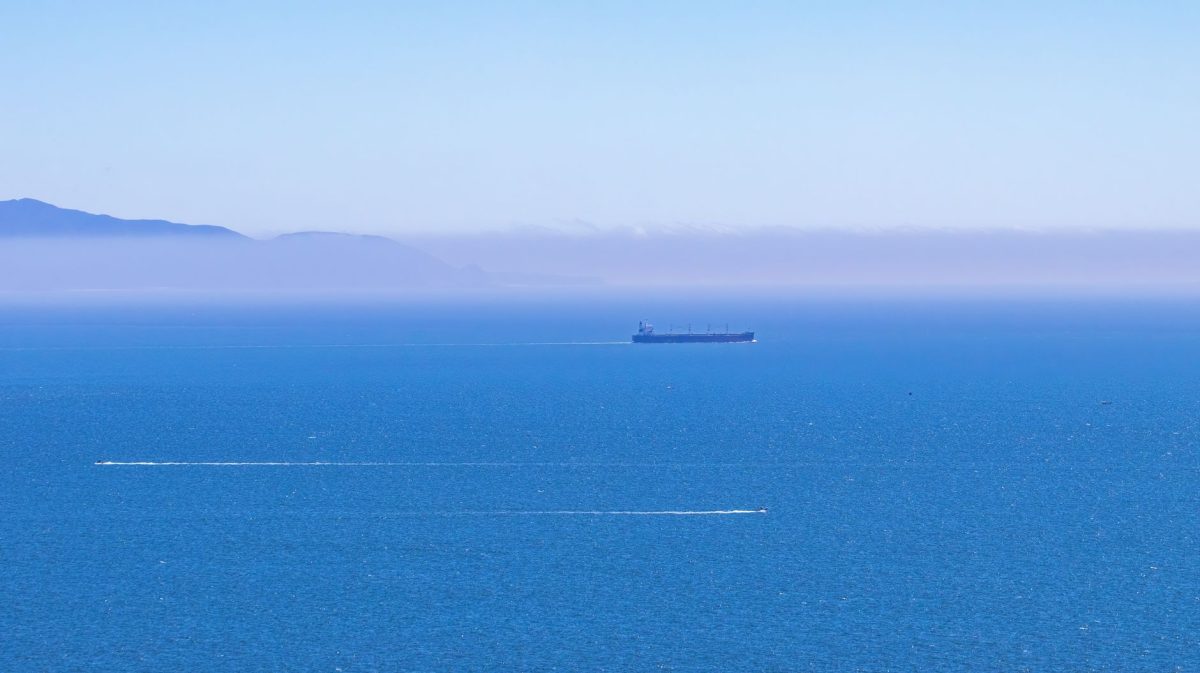
In 2023, Japan received over 93% of its oil imports through the Strait of Hormuz, a critical waterway in the Middle East. Despite the Iran war effectively closing the Strait, Japan has not altered its reliance on imported oil. This situation highlights the country's ongoing dependence on oil imports and the potential risks associated with global supply chains. Experts warn that this dependence could have significant consequences for Japan's economy and national security.
Japan's Oil Imports Through the Strait of Hormuz in 2023
According to the Japanese Ministry of Finance, in 2023, the country imported a total of 273 million barrels of oil. Of this, 93.4% (255.2 million barrels) passed through the Strait of Hormuz. This reliance on a single waterway has raised concerns among experts, who point out that the Strait is a narrow and vulnerable chokepoint in global oil supplies. The Strait of Hormuz is a critical waterway that connects the Persian Gulf to the Gulf of Oman, making it a vital route for oil exports from the Middle East. In an interview with the Japan Times, a spokesperson for the Ministry of Finance stated, 'We are aware of the risks associated with relying on a single waterway, but we do not have any immediate plans to change our import strategy.'
The Broader Pattern of Global Oil Dependence
Japan's reliance on imported oil is not unique. Many countries, including the United States, China, and South Korea, also rely heavily on oil imports. This global dependence on oil has significant implications for national security and the economy. The global oil market is subject to various risks, including supply disruptions, price volatility, and geopolitical tensions. A study by the International Energy Agency (IEA) found that oil price shocks can have a significant impact on economic growth, particularly in countries with high oil import dependence. In the case of Japan, a disruption to oil supplies could have severe consequences for the country's economy, which is heavily reliant on imports. The country's trade deficit has been a major concern for policymakers, and a disruption to oil supplies could exacerbate this issue. Furthermore, Japan's reliance on imported oil also raises concerns about national security. A country with limited oil reserves and a high dependence on imports is vulnerable to supply disruptions and price volatility, which could compromise its national security interests. The Iran war has highlighted the need for Japan to diversify its energy sources and reduce its reliance on imported oil. However, the country's lack of oil reserves and limited nuclear capabilities make it challenging to achieve this goal in the short term. In the long term, Japan hopes to reduce its dependence on oil by increasing its use of renewable energy sources and improving energy efficiency.

“In the current situation, it is difficult to say whether we will be able to reduce our dependence on oil imports. However, we are working to achieve this goal through various measures, including increasing the use of renewable energy sources and improving energy efficiency. - Spokesperson for the Ministry of Finance”
Gaps in Knowledge and Uncertainty
Despite the Iran war effectively closing the Strait of Hormuz, there are still many questions about the impact of this event on global oil supplies. One major uncertainty is the extent to which the war has disrupted oil production in the Middle East. While some estimates suggest that oil production has been severely impacted, others argue that the impact has been limited. Additionally, there are concerns about the potential for oil price volatility in the coming months. The war has already led to significant price increases, and experts warn that further disruptions to oil supplies could lead to even higher prices. The impact of the Iran war on global oil supplies is still unclear, and it may take several months to fully understand the consequences of this event.
What to Watch
In the coming days and weeks, several factors will be closely watched by experts and policymakers. One key factor is the extent to which oil production in the Middle East has been disrupted. If production is severely impacted, it could lead to further price increases and increased volatility in global oil markets. Another factor to watch is the potential for oil price volatility. If prices continue to rise, it could have significant consequences for the global economy. The International Energy Agency (IEA) will be monitoring the situation closely and providing regular updates on the impact of the Iran war on global oil supplies.
Despite being a global leader in technology,
The Iran war has highlighted the importance of diversifying energy sources and reducing reliance on imported oil. However, Japan's lack of oil reserves and limited nuclear capabilities make it challenging to achieve this goal in the short term. In the long term, the country hopes to reduce its dependence on oil by increasing its use of renewable energy sources and improving energy efficiency. The global oil market is subject to various risks, including supply disruptions, price volatility, and geopolitical tensions, making it essential for policymakers to develop strategies to mitigate these risks. By working together, countries can reduce their reliance on imported oil and achieve a more secure and sustainable energy future.