Europe's Temperature Records Tumble as Climate Shifts

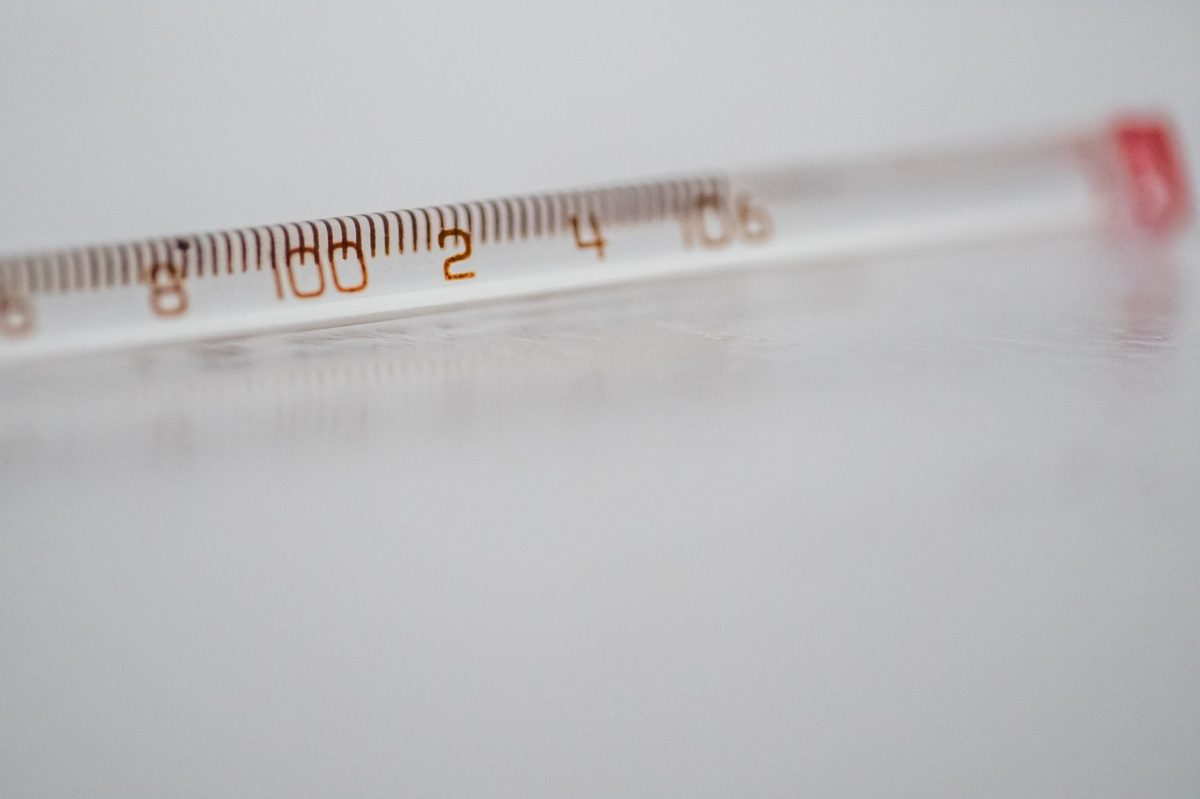
Temperature records have been shattered across the UK and Europe, with scientists warning that the recent heatwaves are a sign of a permanent shift in the region's climate. This shift has significant implications for ordinary people, from changes in weather patterns to increased risk of heat-related illnesses. The British Meteorological Office has reported that the UK has experienced its hottest June on record, with temperatures soaring to 40.3°C in some areas.
Temperature Records Tumble
According to the UK Met Office, the UK has experienced its hottest June on record, with temperatures soaring to 40.3°C in some areas. This is the fifth consecutive year that the UK has experienced a heatwave, with temperatures consistently above average. Account to Met Office spokesperson, the UK's heatwaves are a sign of a permanent shift in the country's climate, driven by global warming. 'We're seeing a trend of warmer summers and more frequent heatwaves,' she said. 'This is not just a matter of bad luck or bad weather; it's a sign of a broader climate shift.'
Why It Matters
The implications of this climate shift are far-reaching and significant. For ordinary people, it means increased risk of heat-related illnesses, particularly among vulnerable populations such as the elderly and young children. It also means changes in weather patterns, with more frequent and intense heatwaves, droughts, and storms. According to a report by the European Environment Agency, the number of heat-related deaths in Europe has increased by 50% over the past decade. 'The heatwaves we're seeing are not just a nuisance; they're a public health crisis,' said Dr. Maria Neira, the Director of the World Health Organization's Environment and Health Program. 'We need to take action to reduce the risk of heat-related illnesses and protect vulnerable populations.'


“The heatwaves we're seeing are not just a nuisance; they're a public health crisis. We need to take action to reduce the risk of heat-related illnesses and protect vulnerable populations.”
What We Don't Know Yet
While scientists are clear that the recent heatwaves are a sign of a permanent shift in Europe's climate, there are still many questions remaining. One major uncertainty is the extent to which these heatwaves will continue to intensify in the coming years. According to a report by the Intergovernmental Panel on Climate Change, global temperatures are likely to rise by 2-5°C by the end of the century, leading to more frequent and intense heatwaves. However, the exact timing and magnitude of these heatwaves remain uncertain. 'We're seeing a lot of uncertainty in our climate models,' said Dr. Gavin Schmidt, the Director of the NASA Goddard Institute for Space Studies. 'We need to continue to improve our understanding of the climate system to make better predictions and inform policy decisions.'
What to Watch
In the coming days and weeks, several key indicators will be closely watched by scientists and policymakers. One key metric is the temperature anomaly, which measures the extent to which temperatures are above or below average. According to the European Centre for Medium-Range Weather Forecasts, the temperature anomaly is currently running at 2-3°C above average across much of Europe. Another key indicator is the heat index, which takes into account both temperature and humidity to provide a more accurate picture of the heat stress people are experiencing. According to the National Weather Service, the heat index is currently running at 40-50°C in some areas, making it feel like 50-60°C. 'We're seeing a lot of heat stress in the coming days and weeks,' said Dr. John Abatzoglou, a climate scientist at the University of California, Merced. 'We need to take action to reduce the risk of heat-related illnesses and protect vulnerable populations.'
Despite the increasing temperatures, some parts of Europe are actually experiencing colder winters due to the climate shift, with the warming of the Arctic causing a disruption to the jet stream and leading to more frequent cold snaps.
In conclusion, the recent heatwaves in Europe are a stark reminder of the reality of climate change. As the world continues to warm, we can expect more frequent and intense heatwaves, droughts, and storms. It is essential that we take action to reduce the risk of heat-related illnesses and protect vulnerable populations. By working together, we can build a more resilient and sustainable future for all.