Hormuz disruption will persist until 80 mines block route are cleared

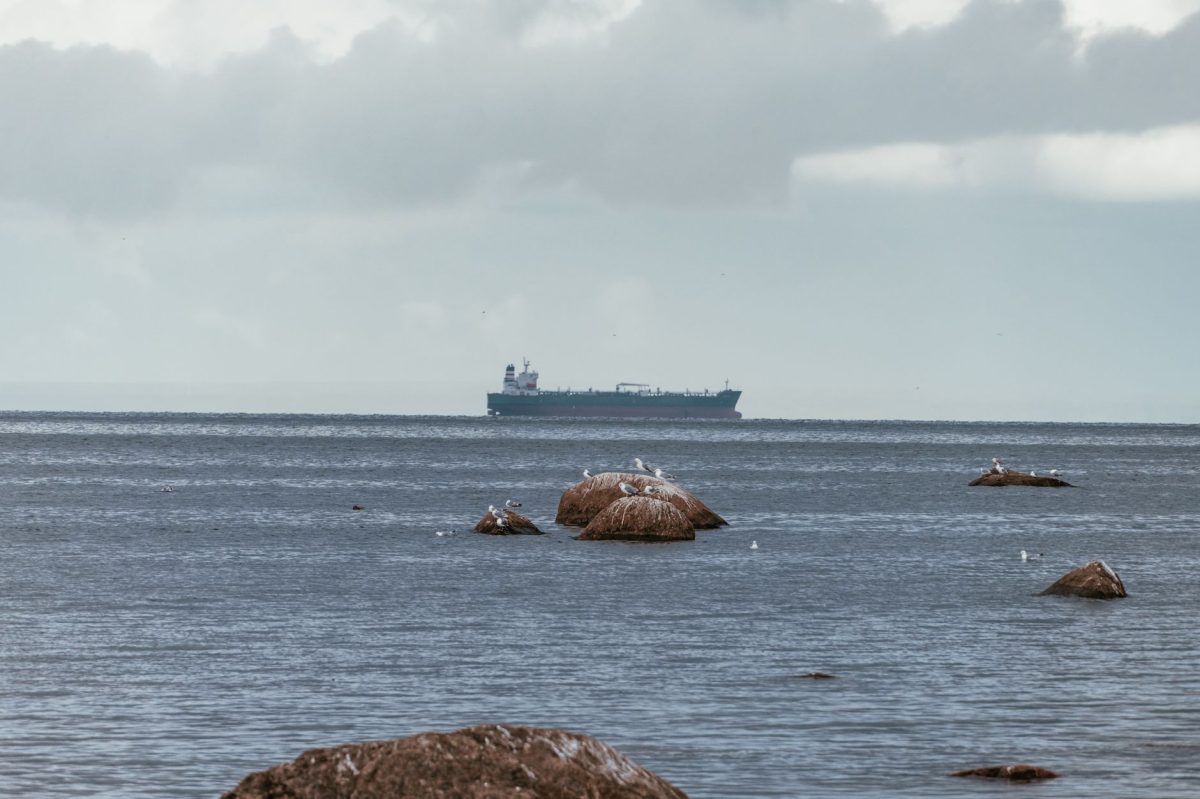
The Strait of Hormuz will remain blocked by 80 mines, according to the International Tanker Owners Pollution Federation (ITOPF), forcing ships to navigate the treacherous Omani coast, where they risk running aground, and this disruption will continue for an uncertain period. This situation has significant implications for global oil supply, as the strait is a critical chokepoint for oil shipments. The disruption will likely lead to increased costs for oil producers and consumers alike.
WHAT HAPPENED
According to an account from the ITOPF, the centre of the Strait of Hormuz will remain shut for 'some time' due to the presence of 80 mines. The ITOPF has been working closely with authorities to identify and clear the mines, but the process is a complex and time-consuming one. The disruption has already caused significant delays and increased costs for oil shipments. For example, the ITOPF has reported that the tanker 'Front Altair' was forced to divert to the Omani coast due to the closure of the strait, where it faced the risk of running aground. The strait is a critical chokepoint for oil shipments, with over 20% of the world's oil passing through it.
WHY IT MATTERS
The disruption to the Strait of Hormuz has significant implications for global oil supply and prices. The strait is a critical chokepoint for oil shipments, and any disruption to its operation can have far-reaching consequences. The increased costs associated with the disruption will be felt by oil producers and consumers alike, and may lead to increased prices at the pump. Additionally, the disruption highlights the vulnerability of the global oil supply chain and the need for increased security measures to protect against potential threats. The ITOPF has estimated that the disruption could cost the global oil industry up to $1 billion in lost revenue.

“The disruption to the Strait of Hormuz is a complex and multifaceted issue, and it will take time and effort to resolve. We are working closely with authorities to identify and clear the mines, and we are committed to ensuring the safe passage of oil shipments through the strait.”
WHAT WE DON'T KNOW YET
Despite the efforts of the ITOPF and other authorities, there are still many unknowns surrounding the disruption to the Strait of Hormuz. The exact timeline for the clearance of the mines is unclear, and it is difficult to predict when the strait will fully reopen. Additionally, the impact of the disruption on global oil prices and supply is still uncertain. The ITOPF has warned that the disruption could have long-term consequences for the global oil industry, including increased costs and decreased efficiency. The ITOPF has also expressed concerns about the potential for further disruptions to the strait, citing the ongoing tensions in the region.
Key Takeaways
- The Strait of Hormuz will remain blocked by 80 mines until they are cleared
- The disruption will continue for an uncertain period
- The strait is a critical chokepoint for oil shipments
- The disruption could cost the global oil industry up to $1 billion in lost revenue
- The ITOPF is working closely with authorities to identify and clear the mines
WHAT TO WATCH
In the coming days and weeks, several key developments will be worth watching. The ITOPF will continue to work closely with authorities to identify and clear the mines, and the strait is likely to remain shut for several weeks. The impact of the disruption on global oil prices and supply will also be closely monitored. Meanwhile, the ITOPF has warned that the disruption could have long-term consequences for the global oil industry, including increased costs and decreased efficiency. The ITOPF has also expressed concerns about the potential for further disruptions to the strait, citing the ongoing tensions in the region.
Interestingly, the Strait of Hormuz is not only a critical chokepoint for oil shipments, but it is also home to a diverse range of marine life, including dolphins, whales, and sea turtles, which are threatened by the disruption to the strait.
In conclusion, the disruption to the Strait of Hormuz is a complex and multifaceted issue with significant implications for global oil supply and prices. The ITOPF is working closely with authorities to identify and clear the mines, but the process is a complex and time-consuming one. As the situation continues to unfold, it is clear that the disruption will have far-reaching consequences for the global oil industry.