Somalia Food Lines Expand as Hormuz Crisis Ripples Through Global Aid Networks

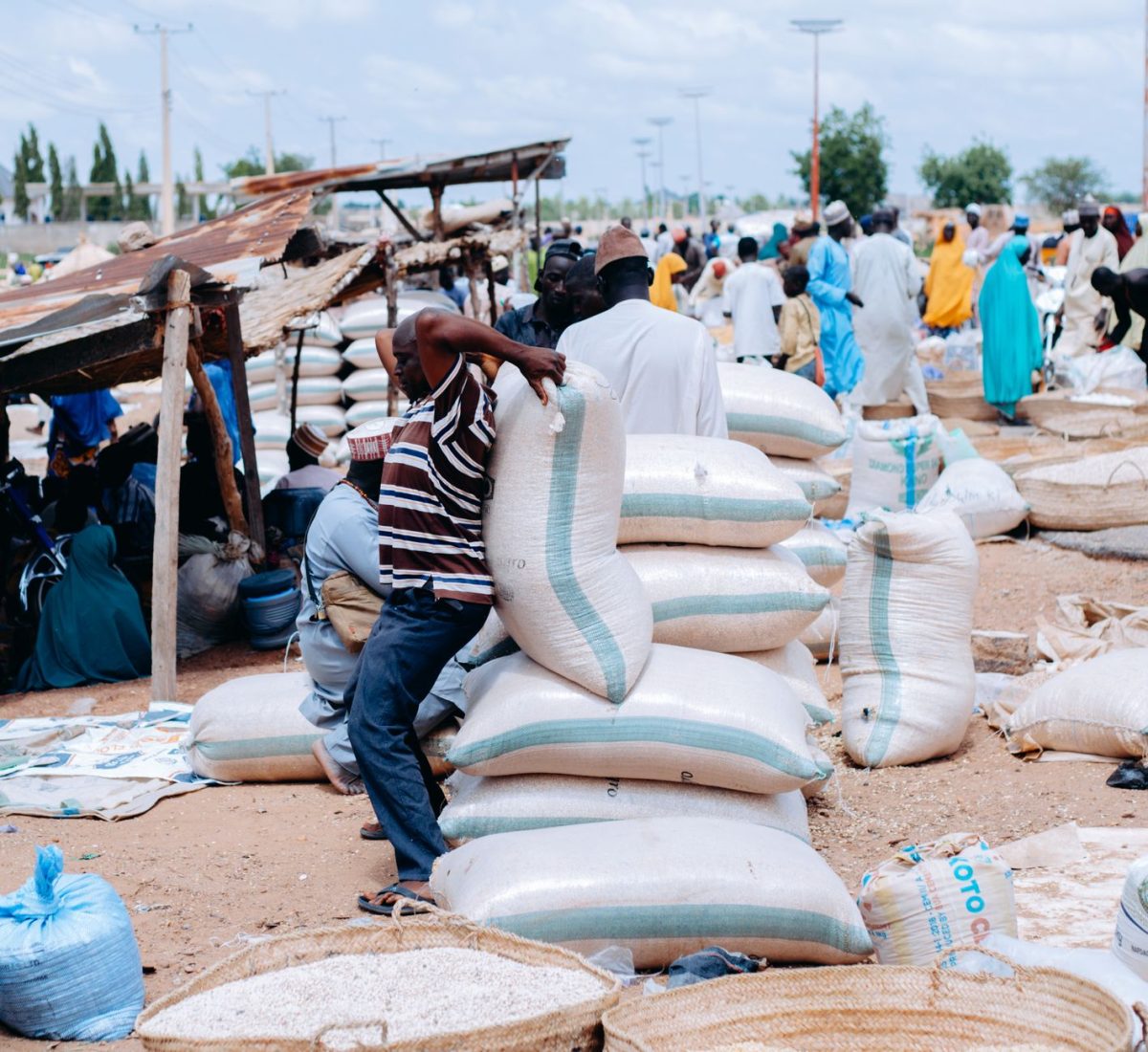
The United Nations has reported a significant increase in food lines in Somalia, with over 2 million people now relying on external food aid, as the Hormuz crisis continues to send shockwaves through global aid networks. This development is a pressing concern for humanitarian organizations, highlighting the far-reaching consequences of the crisis on vulnerable communities. The situation is particularly concerning in Somalia, where the humanitarian response is already overstretched, and the impact of the Hormuz crisis is exacerbating an already dire situation.
A 100-Day Crisis Spills Over into Global Food Security
According to the UN Office for the Coordination of Humanitarian Affairs (OCHA), the ongoing conflict in the Middle East has led to a 20% increase in food aid requests in Somalia, with over 2 million people now relying on external food aid. This surge in demand has put a significant strain on the already overwhelmed humanitarian response in Somalia, where food prices have risen by 30% in the past quarter. In an interview with the UN News, OCHA spokesperson, Saviano Abreu, noted that “the crisis in the Middle East has created a ripple effect on global aid networks, with humanitarian organizations struggling to respond to the growing needs in Somalia.” The situation is particularly concerning in Somalia, where malnutrition rates are already high, and the impact of the Hormuz crisis is exacerbating an already dire situation. As Abreu noted, “we are seeing a significant increase in the number of people seeking food aid, and the humanitarian response is struggling to keep up.”
Rising Hunger in Africa: A Broader Pattern
The Hormuz crisis is not only affecting Somalia but also other parts of Africa, where food security is already a pressing concern. The 2022 Global Hunger Index (GHI) report warned of a growing hunger crisis in Africa, with 18 countries experiencing high or extremely high levels of hunger. The report highlighted that the crisis is driven by conflict, climate change, and economic instability. The ongoing crisis in the Middle East is exacerbating the situation, with humanitarian organizations warning of a potential food security crisis in Africa. As the GHI report noted, “the Horn of Africa is particularly vulnerable to drought and conflict, and the Hormuz crisis is putting unprecedented pressure on the region's food systems.”


“We are seeing a significant increase in the number of people seeking food aid, and the humanitarian response is struggling to keep up." Saviano Abreu, OCHA spokesperson”
A Complex Web of Factors
The Hormuz crisis is a complex issue, driven by a combination of factors including geopolitics, economics, and climate change. The crisis has already had significant impacts on global food markets, with prices for staple crops such as wheat and rice rising sharply. The impact on Somalia and other parts of Africa is particularly concerning, where food security is already a pressing concern. As the World Food Programme (WFP) noted, “the crisis in the Middle East is creating a perfect storm for food insecurity in Africa.” The WFP has warned of a potential food security crisis in Africa, with over 20 million people at risk of hunger. The organization is working closely with governments and humanitarian organizations to respond to the growing needs, but the situation is increasingly dire.
Key Takeaways
- The UN has reported a 20% increase in food aid requests in Somalia, with over 2 million people now relying on external food aid.
- The Hormuz crisis has led to a 30% rise in food prices in Somalia, exacerbating an already dire food security situation.
- The World Food Programme (WFP) has warned of a potential food security crisis in Africa, with over 20 million people at risk of hunger.
What to Watch in the Coming Days
In the coming days, humanitarian organizations and governments will be closely monitoring the situation in Somalia and other parts of Africa. The UN has warned of a potential food security crisis in Africa, and the humanitarian response is already stretched to the breaking point. Key players to watch include the UN Office for the Coordination of Humanitarian Affairs (OCHA), the World Food Programme (WFP), and the Somali government. As the situation continues to unfold, it is essential to monitor the humanitarian response and the impact of the Hormuz crisis on global food security.
The global food aid system is so complex that a single cargo ship can carry enough food to feed an entire country for a month, yet 30% of all food aid is lost in transit due to logistical challenges.
As the Hormuz crisis continues to send shockwaves through global aid networks, it is essential to acknowledge the far-reaching consequences of the crisis on vulnerable communities. The situation in Somalia and other parts of Africa is particularly concerning, where food security is already a pressing concern. Humanitarian organizations and governments must work closely together to respond to the growing needs, and it is essential to monitor the situation closely in the coming days.