Hazardous Waste Found on Shores of Rawal Lake During Pak-EPA Clean-Up Drive

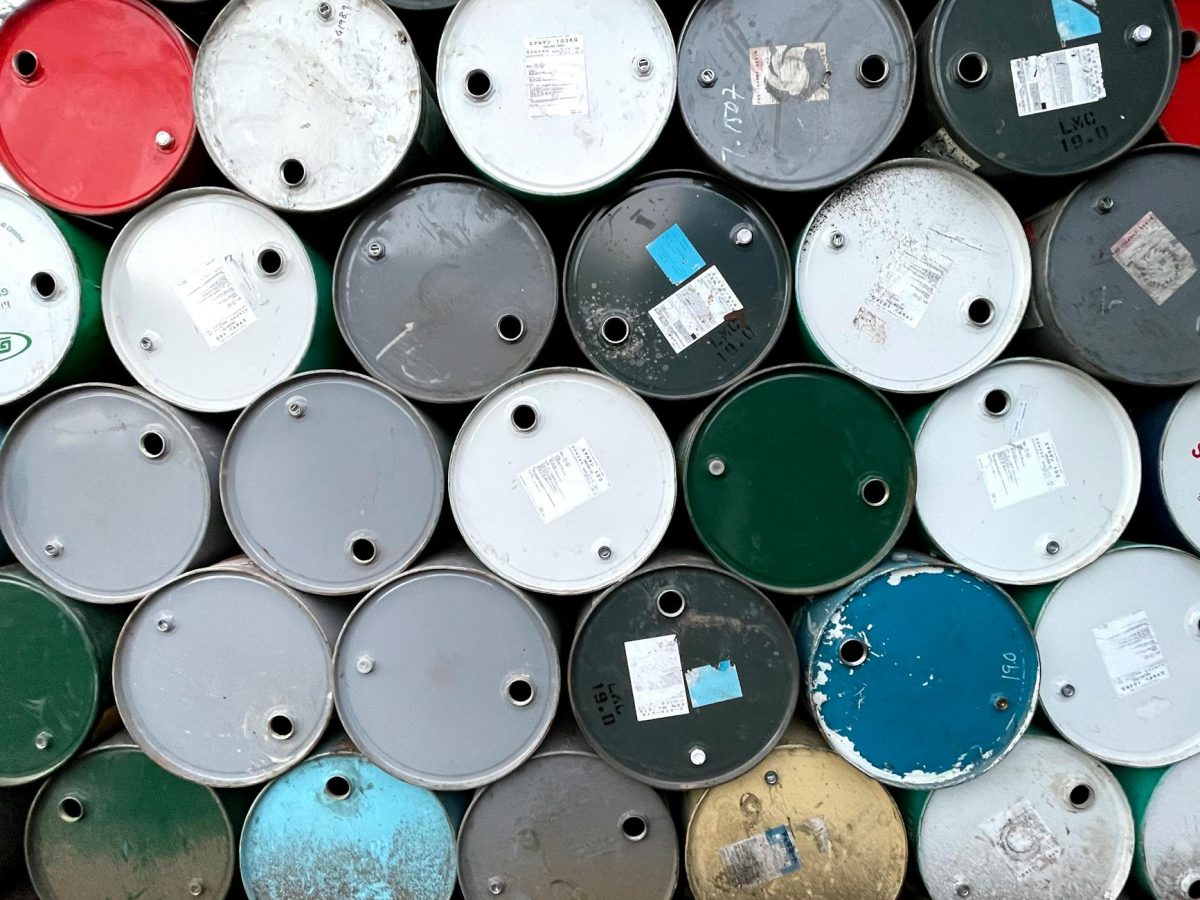
A recent clean-up drive by the Pakistan Environment Protection Agency (Pak-EPA) on the shores of Rawal Lake uncovered hazardous waste, including discarded syringes, hospital waste, and numerous plastic bottles, raising concerns about the environmental and public health impacts of such contamination. This discovery highlights the need for effective waste management strategies to protect the lake's ecosystem and the nearby communities. Residents and visitors who rely on the lake for recreation and water supply are affected by the findings. The Pak-EPA's efforts to address the issue are crucial for preventing further pollution.
Pak-EPA Discovers Hazardous Waste During Rawal Lake Clean-Up
According to a statement by the Pakistan Environment Protection Agency, the clean-up drive on Thursday revealed the presence of hazardous materials such as discarded syringes, hospital waste, and numerous plastic bottles along the lake's shoreline in Islamabad, Pakistan. Account to Pak-EPA officials, the clean-up effort aimed to address the issue of pollution in the lake, which has been a subject of concern for local residents and environmentalists. About 500 kilograms of hazardous waste were collected during the operation. The Pak-EPA has vowed to continue its efforts to maintain the cleanliness of the lake and surrounding areas. The agency has called upon the general public to cooperate in this endeavor by refraining from littering and respecting the environment.
Why Hazardous Waste on Rawal Lake Matters
The discovery of hazardous waste on Rawal Lake's shoreline has significant implications for the local environment and public health. The contamination of the lake's ecosystem can have long-term effects on the aquatic life and water quality. Additionally, the presence of hazardous materials such as syringes and hospital waste poses a risk to human health, especially for individuals who come into contact with the contaminated water or use it for recreational purposes. Furthermore, the pollution of the lake can have broader socio-economic implications, including the loss of livelihoods and negative impacts on the local economy.

“The Pak-EPA is committed to ensuring the cleanliness and safety of Rawal Lake for the benefit of the local community and the environment. We urge everyone to respect the environment and refrain from littering or engaging in any activities that can harm the lake's ecosystem.”
What We Don't Know Yet
While the Pak-EPA's efforts to address the issue of hazardous waste on Rawal Lake are commendable, there are still several questions that remain unanswered. For instance, what is the source of the hazardous waste, and how did it end up on the lake's shoreline? Additionally, what measures are being taken to prevent the recurrence of such incidents in the future? Furthermore, what is the current status of the lake's ecosystem, and what are the potential long-term effects of the contamination? These questions highlight the need for a more comprehensive and sustained effort to address the issue of pollution in the lake.
Key Takeaways
- The Pakistan Environment Protection Agency discovered hazardous waste, including discarded syringes, hospital waste, and plastic bottles, during a clean-up drive on Rawal Lake's shoreline.
- The contamination of the lake's ecosystem can have long-term effects on aquatic life and water quality.
- The Pak-EPA has vowed to continue its efforts to maintain the cleanliness of the lake and surrounding areas.
What to Watch
Going forward, several key developments will be worth monitoring. The Pak-EPA has promised to continue its clean-up efforts and implement measures to prevent the recurrence of hazardous waste on the lake's shoreline. The agency has also called upon the local authorities to take action against those responsible for littering and polluting the lake. Additionally, the public's response to the Pak-EPA's efforts will be crucial in determining the effectiveness of the agency's initiatives. As the situation unfolds, it will be essential to track the progress made by the Pak-EPA and the local authorities in addressing the issue of pollution in the lake.
Interestingly, some species of fish are able to survive in polluted water by developing unique adaptations, such as stronger livers to filter out toxins.
The discovery of hazardous waste on Rawal Lake's shoreline serves as a reminder of the importance of protecting our environment and the need for effective waste management strategies. By working together, we can ensure that the lake remains a safe and clean destination for recreation and water supply. As the situation unfolds, it will be essential to continue monitoring the progress made by the Pak-EPA and the local authorities in addressing the issue of pollution in the lake.