Algae Clouds Reflecting Pool Vision, Scientists Not Surprised by Trump's Algae Issue

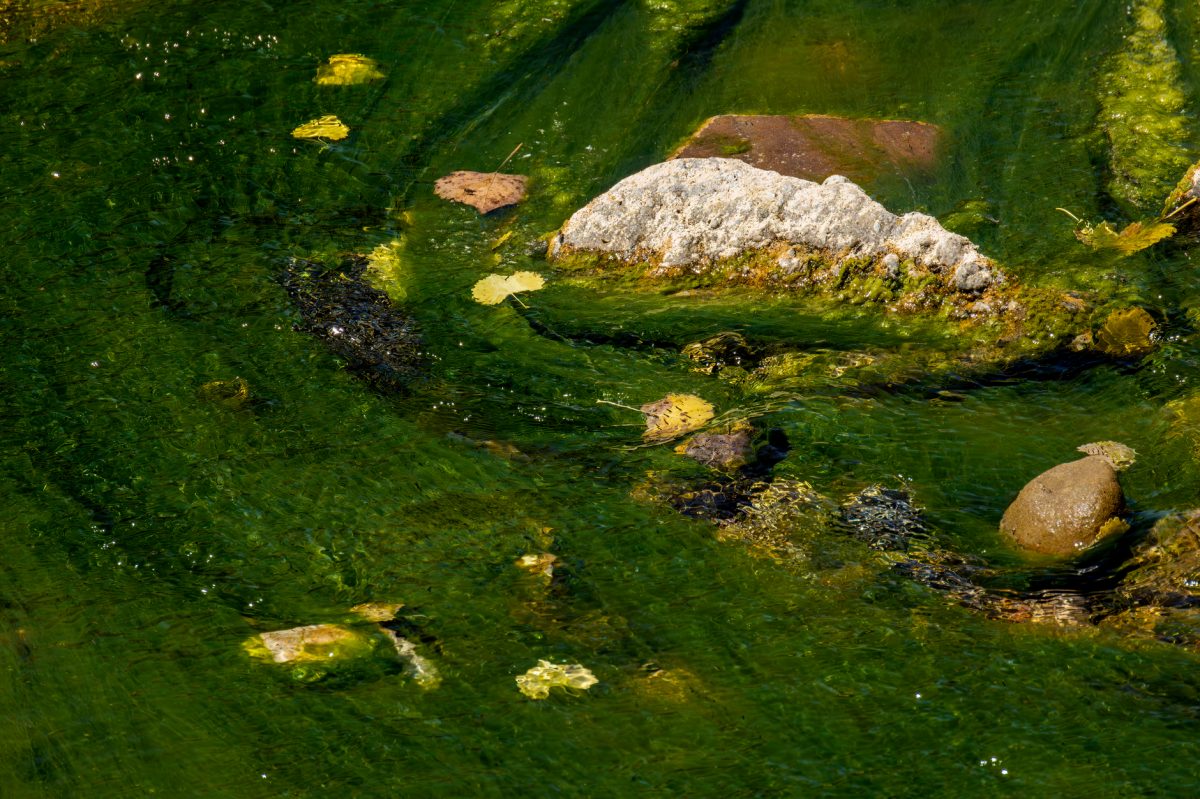
The shallow waters of the reflecting pool have become a perfect incubator for algae growth, especially during the hot summer months. This phenomenon has been observed for years, but the recent renovation may have accelerated the issue, affecting the pool's appearance and usability. The incident has also raised questions about the impact of human activities on the environment.
Algae Clouds Trump's Vision for the Reflecting Pool
According to an account to a National Park Service spokesperson, the reflecting pool at the National Mall has been plagued by algae growth this summer. The spokesperson stated that the pool's shallow waters and sunny conditions create an ideal environment for algae to thrive. The recent renovation of the pool may have inadvertently accelerated the algae growth by altering the pool's ecosystem. For example, the renovation included the installation of new piping and filtration systems, which may have disrupted the natural balance of the pool's water chemistry. This disruption could have allowed algae to grow more rapidly, contributing to the pool's cloudy appearance.
Why It Matters: The Broader Impact of Human Activities on the Environment
The algae issue at the reflecting pool is not an isolated incident. It is a symptom of a larger problem – the impact of human activities on the environment. The recent renovation of the pool is a prime example of how human interventions can have unintended consequences on the ecosystem. By altering the pool's ecosystem, we may have inadvertently created an environment that is conducive to algae growth. This phenomenon is not unique to the reflecting pool and has been observed in other bodies of water around the world. The algal blooms that occur in these bodies of water can have devastating effects on the environment, including the degradation of water quality, the destruction of aquatic ecosystems, and the loss of biodiversity.


“The reflecting pool's algae growth is a reminder that our actions have consequences, and it's essential to consider the long-term effects of our decisions on the environment.”
What We Don't Know Yet: Gaps and Uncertainty in the Algae Issue
While the algae issue at the reflecting pool is a significant concern, there are still many unknowns. For instance, the exact cause of the algae growth is still unclear, and more research is needed to understand the role of the recent renovation in accelerating the issue. Additionally, the long-term effects of the algae growth on the pool's ecosystem and the surrounding environment are still unknown. It is also unclear how the National Park Service will address the issue and prevent future occurrences. The agency may need to consider implementing new measures to prevent algae growth, such as adjusting the pool's water chemistry or introducing beneficial organisms that can help control algae populations.
Key Takeaways
- The shallow waters of the reflecting pool create an ideal environment for algae growth, especially during hot summer months.
- The recent renovation of the pool may have accelerated algae growth by altering the pool's ecosystem.
- The algae issue at the reflecting pool highlights the need for more sustainable and environmentally friendly practices in urban planning and development.
- The National Park Service is likely to take steps to address the algae issue, including implementing new measures to prevent algae growth.
- Experts will continue to monitor the situation and provide guidance on how to address the issue.
What to Watch: Next Steps in the Algae Issue
In the coming days and weeks, the National Park Service will likely take steps to address the algae issue at the reflecting pool. The agency may consider implementing new measures to prevent algae growth, such as adjusting the pool's water chemistry or introducing beneficial organisms. It is also possible that the agency will conduct further research to better understand the causes of the algae growth and develop more effective solutions. The public may also play a role in addressing the issue by reporting any further algae growth or sharing concerns with park authorities.
Interestingly, some species of algae are actually edible and are used as a nutritional supplement in some cultures, highlighting the complex and multifaceted nature of algae and their role in the environment.
The algae issue at the reflecting pool is a complex problem that requires a multifaceted approach to address. By understanding the underlying causes of the issue and taking steps to prevent similar occurrences in the future, we can create spaces that are not only aesthetically pleasing but also beneficial for the ecosystem. The reflecting pool's algae growth may seem like a small issue, but it is a symptom of a larger problem – the impact of human activities on the environment. By taking a closer look at our water management practices and making changes to prevent similar issues, we can create a more sustainable future for our planet.