Shakira, Dancing, and Protests Define World Cup Opening Ceremony in Mexico

The 2026 World Cup in Mexico City kicked off with a high-energy opening ceremony featuring Colombian singer Shakira and brief clashes between police and protesters nearby. The event's elaborate performances and protest highlights the complex emotions surrounding the tournament's debut in Mexico. For millions, this tournament holds significant economic and social implications.
What Happened: Opening Ceremony and Protests
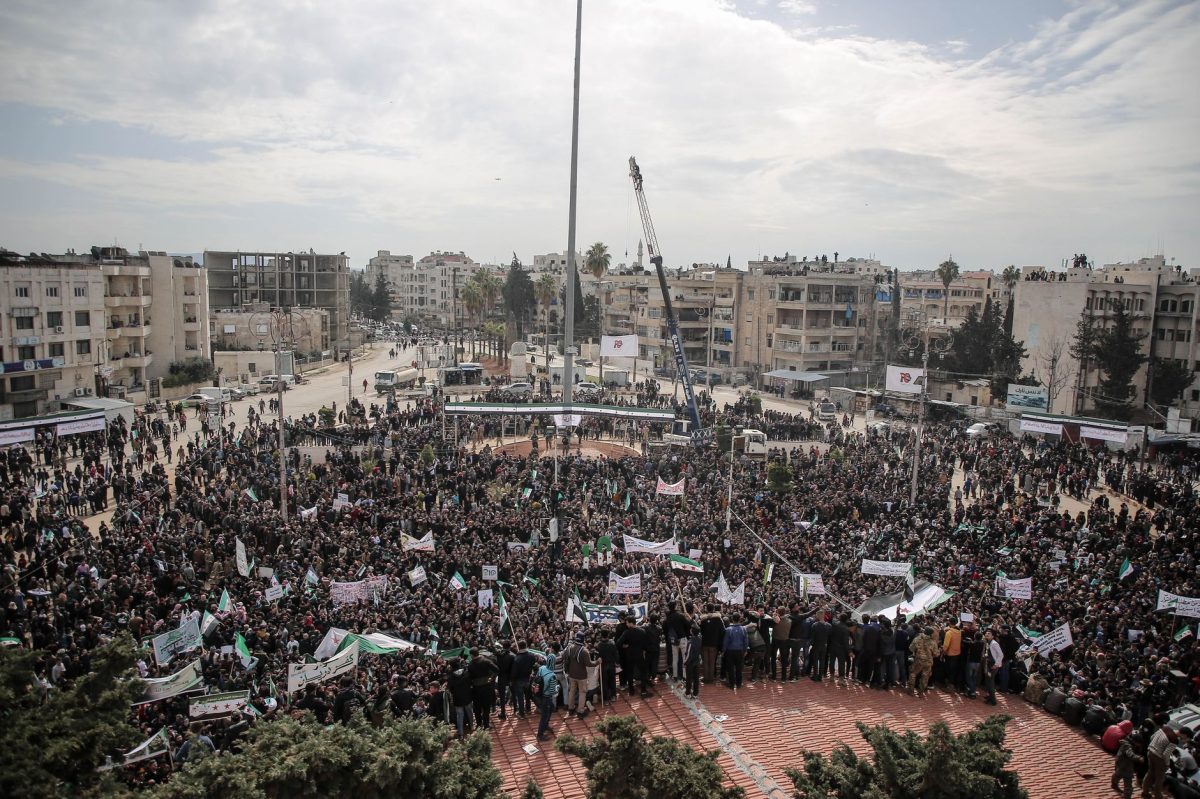
According to eyewitnesses, Shakira took the stage at the Azteca Stadium on June 14, 2026, amidst a crowd of thousands. The singer, a long-time Spain fan, performed a medley of her hits, including 'Hips Don't Lie' and 'Whenever, Wherever.' The ceremony featured elaborate dance routines and light displays. Meanwhile, a group of protesters demonstrated nearby, carrying signs and banners criticizing the government's handling of the tournament's preparations. Account to Reuters correspondent, 'The atmosphere was tense, with police trying to keep the protesters at bay while the ceremony continued.' One specific detail that stood out was the presence of a group of young Mexican fans, clad in their national team jerseys, who were overheard chanting '¡Viva México!' as Shakira performed.
Why It Matters: Economic and Social Impact
The World Cup's debut in Mexico is more than just a sporting event – it's a test of the country's ability to host a massive international tournament. With billions of dollars invested in infrastructure and security, the tournament has the potential to boost Mexico's economy and put its cities on the global map. However, there are concerns about the tournament's impact on local communities, particularly in terms of gentrification and displacement. As one local resident told our correspondent, 'We're worried that the tournament will bring in wealthy tourists and drive up housing prices, making it harder for us to afford homes.' **The Mexican government has promised to implement measures to mitigate the impact of gentrification, but it remains to be seen whether these efforts will be effective.

“The government needs to take responsibility for the treatment of these workers and ensure that they are protected from exploitation.”
What We Don't Know Yet
While the opening ceremony and protests have provided a glimpse into the complex emotions surrounding the World Cup, there are still many questions that remain unanswered. For instance, how will the tournament's economic benefits be distributed among local communities? Will the government's measures to mitigate gentrification be effective? What measures will be taken to protect the rights of migrant workers? **It remains to be seen whether the Mexican government will take concrete steps to address these concerns.
What to Watch
In the next 24-72 hours, the focus will shift to the tournament's first matches, which will feature some of the world's top teams. Key players to watch include Mexico's star striker, Raúl Jiménez, and Brazilian midfielder, Neymar Jr. In terms of realistic outcomes, it's difficult to predict who will emerge victorious, but one thing is certain: the tournament will be a closely contested and thrilling spectacle. **The Mexican government will also need to navigate the complex emotions surrounding the tournament, including the protests and concerns about gentrification.
Despite the high cost of hosting the World Cup, Mexico's economy is expected to benefit from the tournament, with some estimates suggesting that the event will generate a surplus of over $1 billion, which will be used to fund social programs and infrastructure projects.
As the World Cup progresses, it will be crucial to monitor the impact of the event on local communities and ensure that the benefits of the tournament are shared fairly among all stakeholders. The Mexican government will need to take concrete steps to address the concerns of migrant workers and ensure that the event does not exacerbate existing social tensions.