U.K. Leaders Call for Calm Amid Belfast Street Stabbing Protests, Sudanese Man Arrested

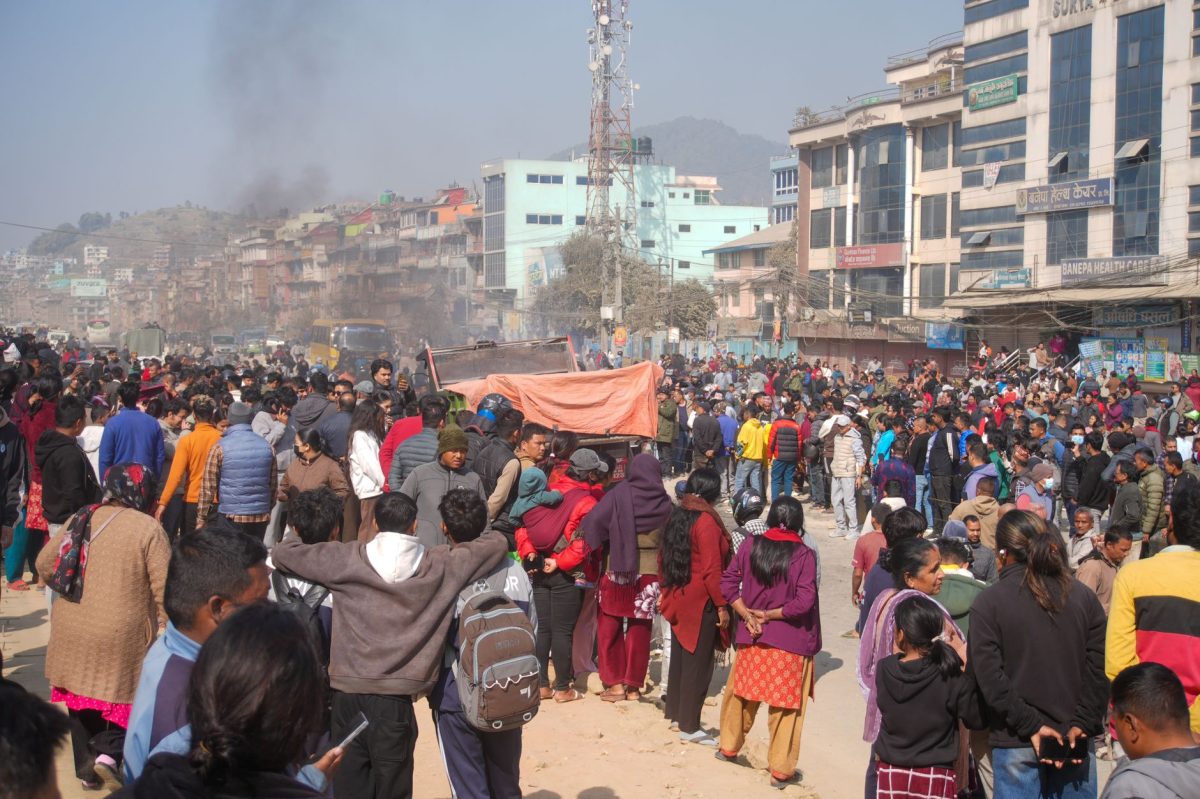
A Sudanese man accused of trying to kill another man in a vicious stabbing on a Belfast street sparked protests against immigration, with U.K. leaders calling for calm. The stabbing and subsequent protests highlight the growing tensions between communities in Northern Ireland. This incident is a stark reminder of the complexities of immigration and community relations in the U.K.
Arrest Made and Protests Erupt in Belfast
According to eyewitnesses, the stabbing occurred on Tuesday evening in the heart of Belfast's city center. A 28-year-old man was taken to hospital with serious injuries and is expected to make a full recovery. The suspect, a 30-year-old Sudanese man, was arrested by police and is being held for questioning. 'He was just walking down the street when someone came up behind him and started stabbing him,' said one eyewitness, who wished to remain anonymous. 'It was a very violent attack, and the victim was lucky to have escaped with his life.' In a statement, the Police Service of Northern Ireland (PSNI) confirmed the arrest and expressed concern about the rising tensions in the community. 'We understand that the incident has caused significant concern and anxiety in the community, and we urge everyone to remain calm and to respect the rights of all individuals,' said a PSNI spokesperson. The suspect is being held at a police station in Belfast, where he is being questioned by detectives. The police are working to piece together the events leading up to the stabbing and to identify any potential witnesses.
Why It Matters: Immigration and Community Relations in Northern Ireland
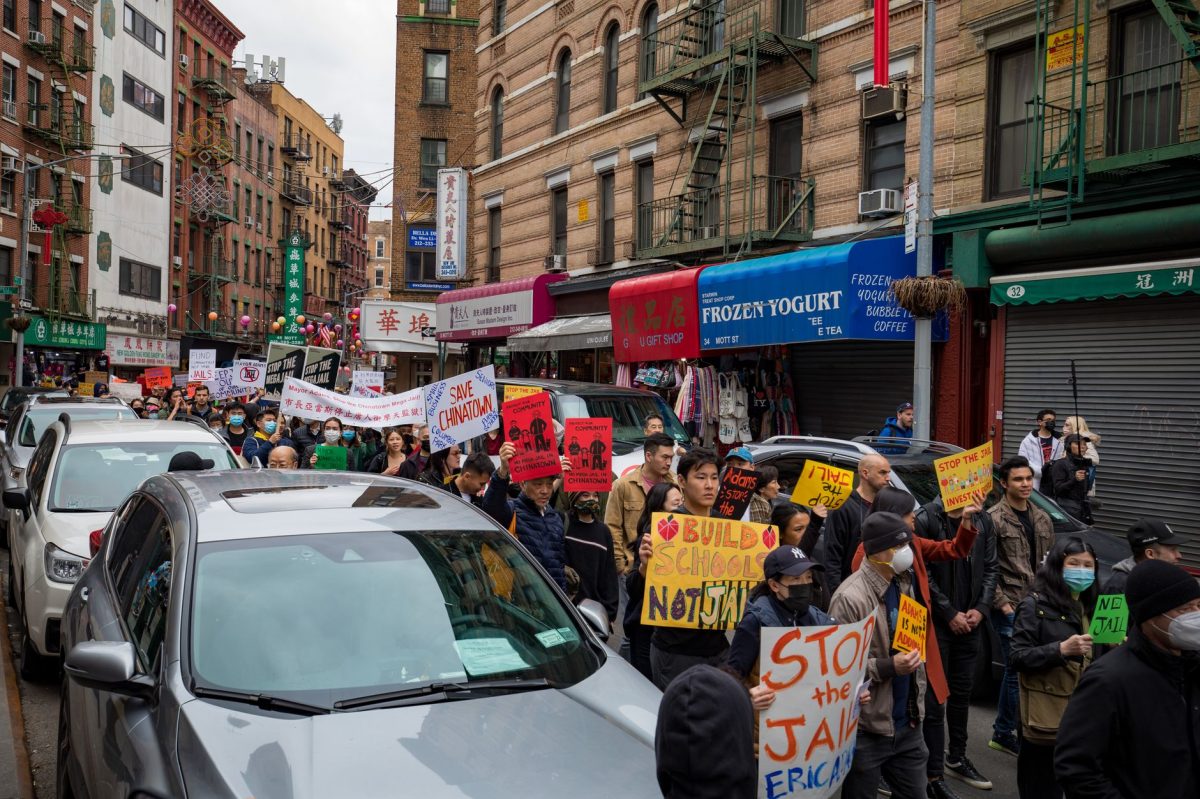
The stabbing and subsequent protests highlight the growing tensions between communities in Northern Ireland. The protests, which were attended by hundreds of people, were largely peaceful but were marked by chants and placards calling for stricter immigration controls. The incident is a stark reminder of the complexities of immigration and community relations in the U.K. and the need for a more nuanced approach to addressing these issues. The U.K. government has faced criticism for its handling of immigration and asylum seekers, with many arguing that the current system is too complex and is failing to address the needs of both immigrants and the existing community. The incident also raises questions about the role of social media in perpetuating misinformation and fueling tensions between communities. 'Social media can be a powerful tool for mobilizing people and spreading information, but it can also be used to spread hate and misinformation,' said Dr. Sarah Jones, a sociologist at Queen's University Belfast. 'We need to find a way to use social media in a way that promotes understanding and respect between communities.'
“We understand that the incident has caused significant concern and anxiety in the community, and we urge everyone to remain calm and to respect the rights of all individuals.”
What We Don't Know Yet
While the arrest of the suspect and the investigation into the stabbing are ongoing, there are still many questions that remain unanswered. What motivated the suspect to commit such a violent attack? Was the incident a hate crime, and if so, what was the target of the attack? How will the U.K. government respond to the growing tensions between communities in Northern Ireland? These questions and others will likely be answered in the coming days and weeks as the investigation continues. In the meantime, the people of Belfast are left to wonder what happened and why. 'It's a very confusing and concerning time for us,' said one local resident. 'We just want to feel safe and to know that our community is being protected.'
What to Watch: Key People and Realistic Outcomes
In the coming days and weeks, there are several key people and events that will be important to watch. The investigation into the stabbing will continue, and the suspect's trial will likely be a major news story. The U.K. government will also face pressure to respond to the growing tensions between communities in Northern Ireland. The government may announce new measures to address immigration and asylum seekers, or it may choose to take a more nuanced approach to addressing these issues. The public will also be watching to see how the community responds to the incident and how it comes together to address the underlying issues. 'We need to work together to build a more inclusive and compassionate community,' said Dr. Sarah Jones. 'We need to find ways to address the underlying issues and to promote understanding and respect between communities.'
Despite the growing tensions between communities in the U.K., a recent study found that the majority of immigrants in the U.K. are highly educated and make significant contributions to the economy, with many starting their own businesses and creating jobs for others. This highlights the need for a more nuanced and thoughtful approach to addressing immigration and community relations, one that takes into account the complex social, economic, and cultural factors that are driving the tensions between communities.