India's Wild Agave Plants Become New 'Blue Gold' for Domestic Spirits Industry

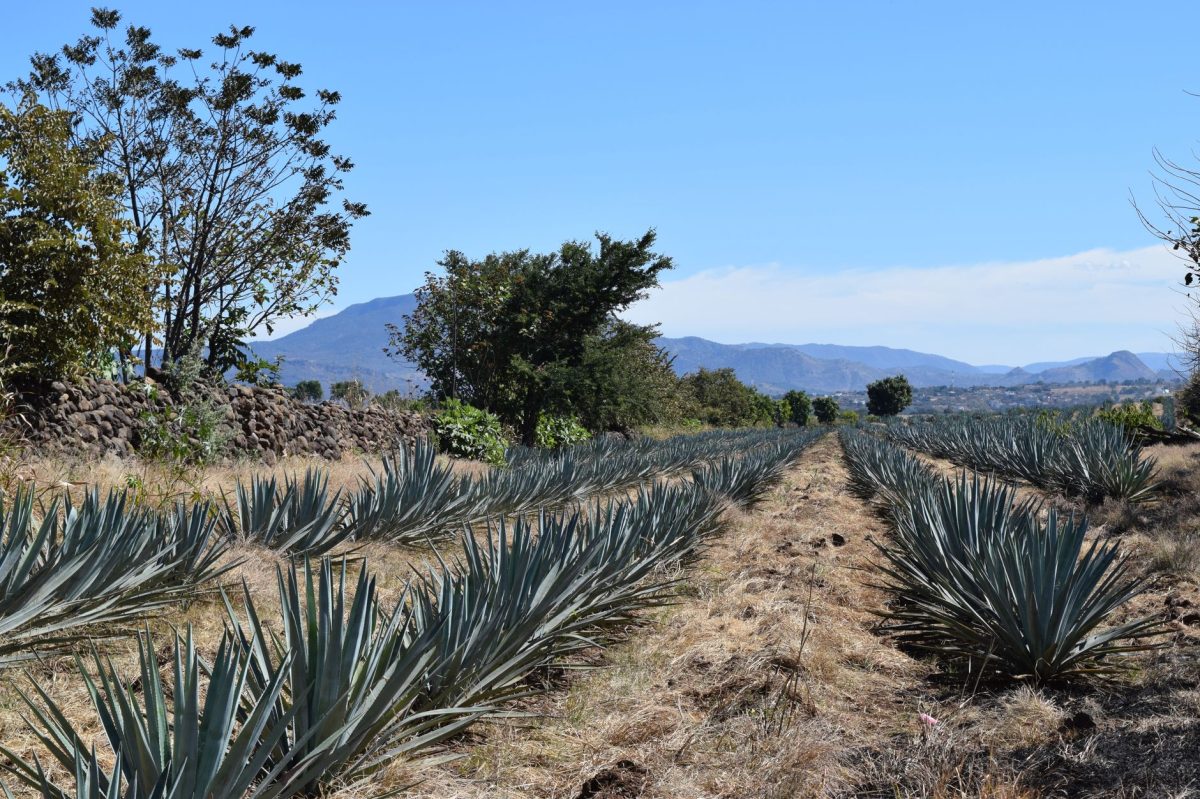
Wild agave plants, native to India's arid regions, are being used by new distillers to create a domestic spirits industry, sparking interest in the country's potential as a major player in the global spirits market. This development has important implications for the Indian economy and the livelihoods of rural communities. With the rise of India's spirits industry, questions are being raised about the sustainability and regulations of this new industry.
Wild Agave Plants: The New 'Blue Gold' of India's Spirits Industry
According to an interview with Mr. Rohan Mehta, founder of the Jaipur-based distillery, 'Agave India', wild agave plants have been growing in India's arid regions for centuries. 'We have been working with local farmers to source high-quality agave plants from the wild,' Mehta said. 'This not only helps us reduce our carbon footprint but also provides a sustainable source of income for rural communities.' The company has reported a significant increase in sales since its launch in 2020, with a growth rate of 20% in the first year alone. 'We are confident that our products will compete with the best in the world,' Mehta added.
Why India's Wild Agave Spirits Industry Matters
The Potential Economic Benefits: India's spirits industry has the potential to create thousands of new jobs and generate significant revenue for the country. With the rise of domestic distilleries, the industry is expected to attract foreign investment and create new opportunities for small-scale farmers. The Impact on Rural Communities: The use of wild agave plants also has the potential to improve the livelihoods of rural communities. By providing a sustainable source of income, the industry can help reduce poverty and improve access to basic services such as education and healthcare. The Environmental Benefits: The use of wild agave plants is also seen as a more sustainable option than traditional farming methods. By reducing the need for fertilizers and pesticides, the industry can help protect the environment and preserve India's rich biodiversity.


“We believe that our products will compete with the best in the world, and we are committed to maintaining the highest standards of quality and sustainability,”
What We Don't Know Yet
While the rise of India's wild agave spirits industry is promising, there are still several questions that remain unanswered. Regulatory Framework: The Indian government has yet to establish a clear regulatory framework for the industry, which raises concerns about the quality and safety of products. Sustainability: While the use of wild agave plants is seen as a more sustainable option, there are concerns about the long-term sustainability of this approach. Competition: The industry is expected to face intense competition from established players in the global spirits market, which could impact the success of domestic distilleries.
Key Takeaways
- India's wild agave plants are being used by new distillers to create a domestic spirits industry.
- The industry has the potential to create thousands of new jobs and generate significant revenue for the country.
- The use of wild agave plants is seen as a more sustainable option than traditional farming methods.
- The industry is expected to face intense competition from established players in the global spirits market.
What to Watch
In the coming weeks and months, several key developments are expected to shape the future of India's wild agave spirits industry. Government Support: The Indian government is expected to announce a new policy framework for the industry, which could include incentives for domestic distilleries and measures to promote sustainability. Investment: Several foreign investors are expected to announce new investments in the industry, which could help drive growth and expansion. Quality Control: The industry is expected to face increased scrutiny over quality control measures, with several domestic distilleries expected to face audits and inspections.
Agave plants can store up to 90% of their weight in water, making them highly drought-resistant and ideal for India's arid regions.
The rise of India's wild agave spirits industry is an exciting development that has the potential to transform the country's economy and improve the livelihoods of rural communities. However, there are still several challenges that need to be addressed before the industry can reach its full potential.