London Councils Forced to Sell Off 150,000 Homes, Leaving Families Homeless

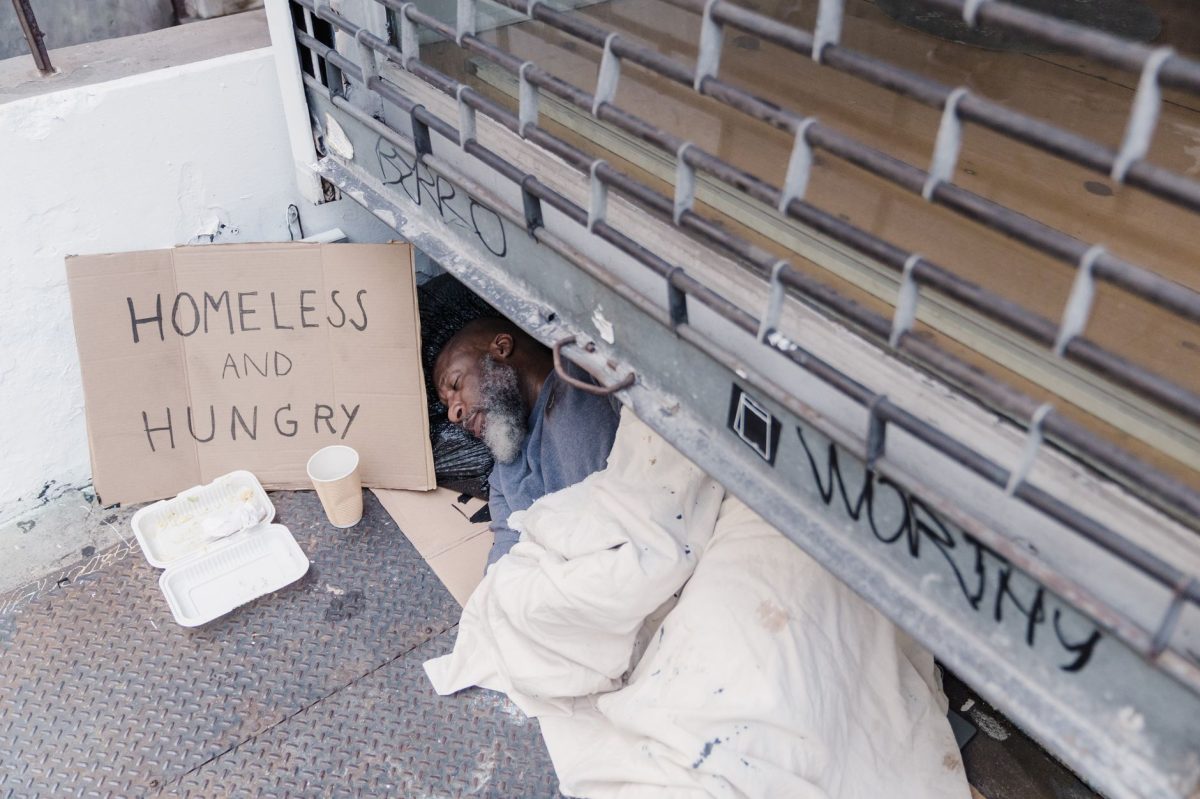
A staggering 150,000 homes were sold off by London councils, leaving families without a place to call home. This is a shocking example of the devastating consequences of a policy that prioritized short-term gains over long-term solutions. The issue raises questions about the responsibilities of local authorities and the impact of government policies on vulnerable communities.
The Great Housing Sell-Off
According to a letter from Stephen Pound MP, local authorities in London were forced to sell off their housing stock in the 1980s and 1990s. This was part of a broader policy aimed at privatizing council homes and reducing the role of the state in providing housing. Between 1980 and 1990, Hammersmith and Fulham council sold off 12,000 homes, while Wandsworth sold off 22,000. The proceeds from these sales were not used to replace the lost homes, but were instead used to fund other council services. Account to Stephen Pound MP, the policy was driven by the government's desire to reduce the number of council homes and promote homeownership. The policy was also influenced by the ideological beliefs of the time, which emphasized the importance of individual property ownership over collective provision of housing.
The Human Cost
The impact of the policy on families in London was devastating. Many people were left without a home, forced to rely on temporary accommodation or live in overcrowded conditions. The policy also had a disproportionate impact on vulnerable groups, including single parents and low-income families. In an interview, Stephen Pound MP described the policy as a 'cruel and heartless' decision that 'left families without a roof over their heads'. The policy not only caused immediate hardship but also had long-term consequences for the social and economic well-being of affected communities. The loss of council homes also contributed to the growth of poverty and inequality in London, as those who were already disadvantaged were further marginalized.


“The policy was a cruel and heartless decision that left families without a roof over their heads,”
What We Don't Know Yet
While the policy has been widely criticized, there are still many questions that remain unanswered. For example, what was the total number of homes sold off across London, and how did the proceeds from these sales impact the local economy? What measures were taken to support families who were affected by the policy, and what support systems are still in place today? The lack of transparency and accountability around the policy has made it difficult to fully understand its impact and to learn from its mistakes.
Key Takeaways
- 150,000 homes were sold off by London councils between 1980 and 1990.
- The proceeds from these sales were not used to replace the lost homes.
- The policy had a disproportionate impact on vulnerable groups, including single parents and low-income families.
- The loss of council homes contributed to the growth of poverty and inequality in London.
- The policy was driven by the government's desire to reduce the number of council homes and promote homeownership.
What to Watch
As the government continues to grapple with the housing crisis in London, it is essential to monitor the impact of policy changes on vulnerable communities. In the coming weeks and months, we can expect to see the introduction of new legislation aimed at addressing the housing shortage. However, it is unclear whether these measures will prioritize the needs of those who have been most affected by the policy. The government must be held accountable for its actions and must prioritize the needs of vulnerable communities in its decision-making.
According to a report by the Institute for Fiscal Studies, over 70% of the proceeds from council home sales were used to fund other council services, rather than to replace the lost homes.
The story of the London council housing sell-off is a tragic reminder of the devastating consequences of policy decisions that prioritize short-term gains over long-term solutions. As we move forward, it is essential to prioritize the needs of vulnerable communities and to learn from the mistakes of the past.