US Treasury Department Warns Banks to Flag Suspected Iranian Money-Laundering Networks

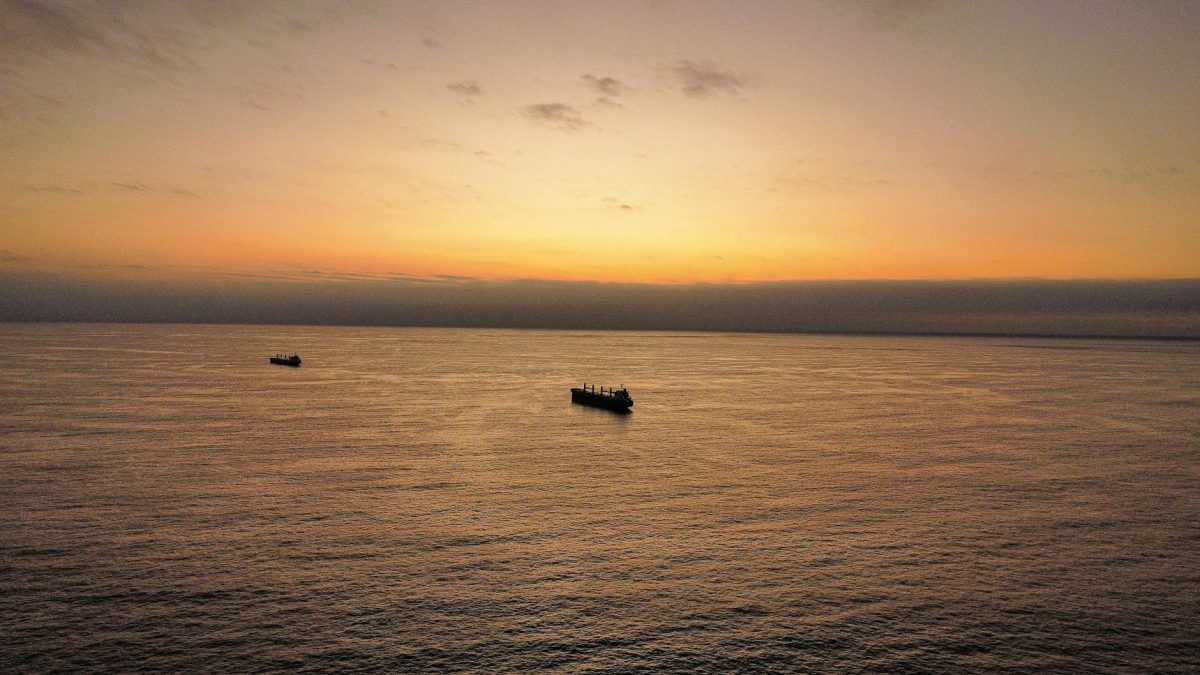
The US Treasury Department has issued a warning to US banks to flag suspected Iranian money-laundering networks that use shell companies to smuggle sanctioned oil. This move aims to curb the illicit flow of funds, which has significant implications for global energy markets and international relations. The Treasury Department's warning highlights the complex and ongoing challenge of combating money laundering and sanctions evasion.
What Happened
According to a statement released by the US Treasury Department on April 10, banks and other financial institutions have been instructed to monitor for suspicious transactions that may be linked to Iranian money-laundering networks. The networks, which use shell companies to disguise their activities, are suspected of laundering funds to purchase and smuggle sanctioned oil. The Treasury Department has identified several key indicators of these networks, including the use of shell companies registered in countries with lax anti-money laundering regulations, such as the British Virgin Islands and the Cayman Islands. In an interview with The Wall Street Journal, a Treasury Department official stated that the networks use a complex web of transactions to disguise the origin of the funds, making it difficult for banks to detect suspicious activity. The official noted that the networks often use a technique called 'layering,' where funds are moved through multiple accounts and transactions to conceal their true origin. The Treasury Department has also identified several specific companies and individuals suspected of being involved in these money-laundering networks.
Why It Matters
The Treasury Department's warning highlights the ongoing challenge of combating money laundering and sanctions evasion. These activities have significant implications for global energy markets and international relations. The illicit flow of funds from Iran's oil sales has been a major concern for the US and other countries, as it allows the Iranian government to circumvent international sanctions and finance its nuclear program. The Treasury Department's warning also underscores the importance of cooperation between banks and regulatory agencies in detecting and preventing money laundering. In a statement, a spokesperson for the Financial Crimes Enforcement Network (FinCEN) noted that banks play a critical role in detecting and reporting suspicious activity, and that the Treasury Department's warning is an important reminder of the need for vigilance in this area. Additionally, the warning highlights the need for greater transparency and cooperation in international financial transactions. The use of shell companies and other complex financial structures to disguise the origin of funds makes it difficult for regulators to track and prevent illicit activity. By working together, banks and regulatory agencies can help to prevent the flow of illicit funds and promote greater transparency and cooperation in international financial transactions.


What We Don't Know Yet
Despite the Treasury Department's warning, there remain several unanswered questions about the scope and extent of Iranian money-laundering networks. It is unclear how widespread these networks are, and how much money they are able to launder each year. Additionally, it is unclear what specific measures the Treasury Department will take to address the issue. In an interview with The New York Times, a Treasury Department official stated that the agency is working to develop new guidelines for banks to follow in detecting and reporting suspicious activity, but that these guidelines have not yet been finalized. Further investigation is needed to determine the full extent of Iranian money-laundering networks and to identify effective solutions for addressing this issue.
Key Takeaways
- The US Treasury Department has warned banks to flag suspected Iranian money-laundering networks using shell companies to smuggle sanctioned oil.
- The networks use a complex web of transactions to disguise the origin of the funds, making it difficult for banks to detect suspicious activity.
- The Treasury Department has identified several key indicators of these networks, including the use of shell companies registered in countries with lax anti-money laundering regulations.
- The US government is expected to take several key steps in the coming weeks and months to address the issue of Iranian money-laundering networks.
- The Treasury Department's warning highlights the ongoing challenge of combating money laundering and sanctions evasion.
What to Watch
In the coming weeks and months, several key developments are expected to shape the US response to Iranian money-laundering networks. The Treasury Department is expected to release new guidelines for banks to follow in detecting and reporting suspicious activity, and to identify specific companies and individuals suspected of being involved in these networks. Additionally, the US Congress is expected to hold hearings on the issue, and to consider new legislation aimed at strengthening anti-money laundering regulations. The US State Department is also expected to take action to increase pressure on countries that are suspected of allowing Iranian money-laundering networks to operate within their borders. These developments will provide important insight into the US government's response to this issue and highlight the complexity and ongoing challenge of combating money laundering and sanctions evasion.
According to a report by the Financial Action Task Force (FATF), the use of shell companies to disguise the origin of funds is a common technique used by money-launderers to evade detection. (Source: FATF, 2020)
The Treasury Department's warning highlights the ongoing challenge of combating money laundering and sanctions evasion. While the US government has taken several key steps to address the issue, much work remains to be done to prevent the illicit flow of funds and promote greater transparency and cooperation in international financial transactions. By working together, banks, regulatory agencies, and governments around the world can help to prevent the flow of illicit funds and promote a safer and more stable global financial system.