US and Iran Trade Fire in Strait of Hormuz, US Military Sinks Six Iranian Boats

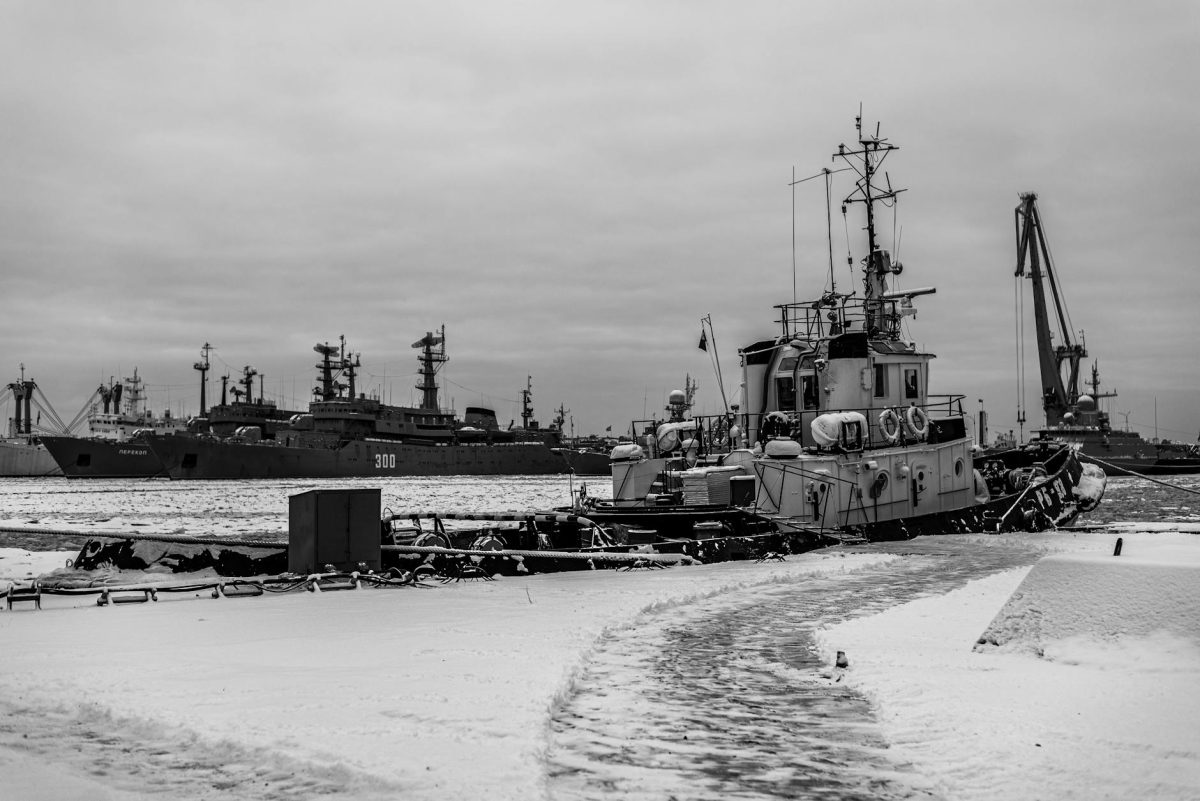
The US military's actions in the Strait of Hormuz are a significant escalation of tensions in the region, with implications for global oil markets and regional stability.
US Military Firing on Iranian Forces
According to a US official, the US military fired on Iranian forces and sank six small boats that were targeting civilian ships as it moved to reopen the Strait of Hormuz on Monday. The official said that the Iranian boats had been identified as a threat to international shipping and that the US military took action to neutralize the threat. The Strait of Hormuz is a critical waterway that connects the Persian Gulf to the Gulf of Oman and is a major route for oil exports from the region. The incident occurred near the Iranian port city of Bandar Abbas, where the Iranian Revolutionary Guard Corps has a significant presence. The US official said that the US military had taken the necessary precautions to minimize the risk of civilian casualties, but that the Iranian boats had been sunk after they failed to respond to warnings to stand down. The official also stated that the US military had identified the Iranian boats as being equipped with advanced military hardware, including anti-ship missiles. The incident is the latest in a series of escalating tensions between the US and Iran in the region. The US military's actions were also reportedly backed by the United Arab Emirates, which said that the Iranian boats had been targeting civilian ships in its territorial waters. The UAE had previously accused Iran of conducting a series of attacks on its oil tankers and other vessels in the region. The incident has sparked concerns about the safety of international shipping in the region and the potential for further escalation of tensions between the US and Iran. A senior commander in the Iranian Revolutionary Guard Corps said that the Iranian forces had been conducting a legitimate exercise in the region, but that the US military had 'ambushed' them and that the incident was a 'provocation' by the US. The US military's actions are seen as a significant escalation of tensions in the region and have sparked concerns about the potential for further conflict.
Why the Strait of Hormuz Matters
The Strait of Hormuz is a critical waterway that connects the Persian Gulf to the Gulf of Oman and is a major route for oil exports from the region. The strait is approximately 90 miles wide at its narrowest point and is a key route for oil tankers and other vessels traveling between the Middle East and Asia. The strait is also home to a number of major oil fields, including the Ahvaz oil field, which is one of the largest oil fields in the world. The strait is a critical component of the global oil supply chain and any disruption to shipping in the region could have significant impacts on global oil markets. The US military's actions in the Strait of Hormuz are also significant because they demonstrate a willingness to take military action to protect international shipping and maintain regional stability. This is a departure from the previous policy of 'diplomacy and sanctions' that had been pursued by the US in relation to Iran. The US military's actions are seen as a significant escalation of tensions in the region and have sparked concerns about the potential for further conflict. The incident highlights the complex and multifaceted nature of the US-Iran relationship and the challenges of maintaining regional stability in the Middle East.

“'The US military's actions in the Strait of Hormuz are a significant escalation of tensions in the region, with implications for global oil markets and regional stability.' - A US official”
What We Don't Know Yet
Despite the US military's claims that the Iranian boats were targeting civilian ships, there are still many questions about the incident and the motivations of the Iranian forces involved. The Iranian Revolutionary Guard Corps has stated that the incident was a legitimate exercise and that the US military's actions were a 'provocation'. However, it is unclear what the Iranian forces were doing in the region and what their intentions were. The US military's actions have also sparked concerns about the potential for further escalation of tensions between the US and Iran, and the impact that this could have on regional stability. The incident highlights the need for greater transparency and clarity in the region, particularly in relation to the role of the Iranian Revolutionary Guard Corps.
Key Takeaways
- The US military fired on Iranian forces and sank six small boats targeting civilian ships in the Strait of Hormuz on Monday.
- The incident is the latest in a series of escalating tensions between the US and Iran in the region.
- The US military's actions are seen as a significant escalation of tensions in the region and have sparked concerns about the potential for further conflict.
- The incident highlights the complex and multifaceted nature of the US-Iran relationship and the challenges of maintaining regional stability in the Middle East.
- The incident has sparked concerns about the safety of international shipping in the region and the potential for further escalation of tensions between the US and Iran.
What to Watch
In the coming days and weeks, there are several key developments that will be closely watched in relation to the incident in the Strait of Hormuz. These include: the potential for further escalation of tensions between the US and Iran, the impact of the incident on global oil markets, and the role of the Iranian Revolutionary Guard Corps in the region. The US military's actions have also sparked concerns about the potential for further conflict in the region, and the impact that this could have on regional stability. The incident highlights the need for greater diplomatic engagement and dialogue between the US and Iran, particularly in relation to the issues of nuclear proliferation and regional stability.
The Strait of Hormuz is so narrow that, at its narrowest point, it is actually narrower than the English Channel, with approximately 14% of global oil trade passing through it daily.
The incident in the Strait of Hormuz is a significant escalation of tensions between the US and Iran, with implications for global oil markets and regional stability. The US military's actions have sparked concerns about the potential for further conflict in the region and the impact that this could have on regional stability. However, it is also clear that the incident highlights the need for greater diplomatic engagement and dialogue between the US and Iran, particularly in relation to the issues of nuclear proliferation and regional stability.