Iran Blocks US Warships from Entering Strait of Hormuz, Attacks Emirati Oil Tanker

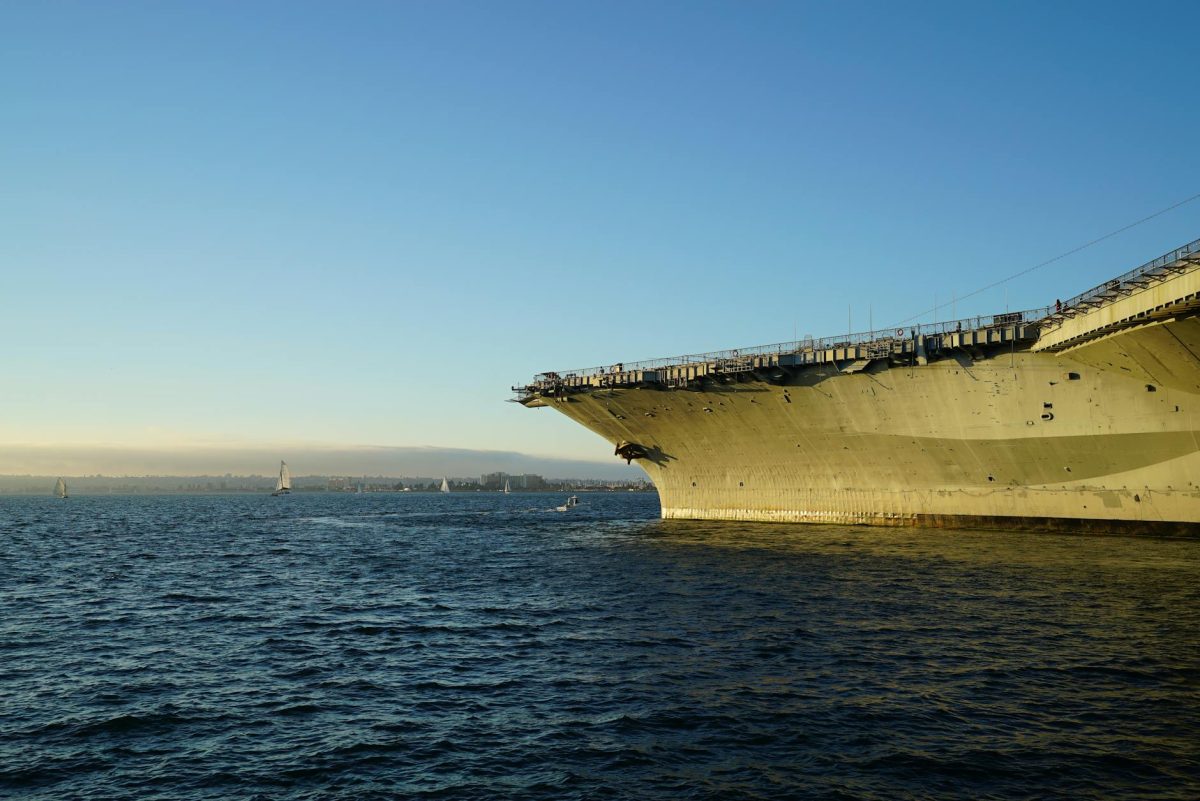
The Iranian Navy's bold move has significant implications for global oil markets, as the Strait of Hormuz is a critical chokepoint for international energy trade. The blockade raises concerns about the reliability of Middle Eastern oil supplies and potential disruptions to the global economy.
Iran's Navy Issues Warning to US Warships
According to the Iranian state TV, the Navy intercepted a US warship attempting to enter the Strait of Hormuz on Monday. The Iranian Navy claims it issued a 'swift and decisive' warning to prevent the entry of the US warship, citing the country's territorial sovereignty and the need to protect its national interests. 'The Iranian Navy has taken necessary measures to secure the country's territorial waters and prevent any foreign entity from entering the region without permission,' an Iranian Navy spokesperson said in a statement. The incident occurred around 3:00 PM local time, when the US warship was spotted attempting to enter the strait. The US Navy has not commented on the incident, fueling speculation about the nature of the encounter.
Global Implications of the Blockade
The blockade of the Strait of Hormuz by the Iranian Navy has significant implications for global oil markets. The Strait of Hormuz is a critical chokepoint for international energy trade, with over 20% of the world's oil supply passing through it. Any disruptions to the flow of oil through the strait could have serious consequences for the global economy. The blockade also raises concerns about the reliability of Middle Eastern oil supplies and potential disruptions to the global economy. The US and other Western countries rely heavily on oil imports from the region, and any significant disruptions could lead to price shocks and economic instability. The impact of the blockade on global oil prices remains to be seen, but it is likely to be significant.

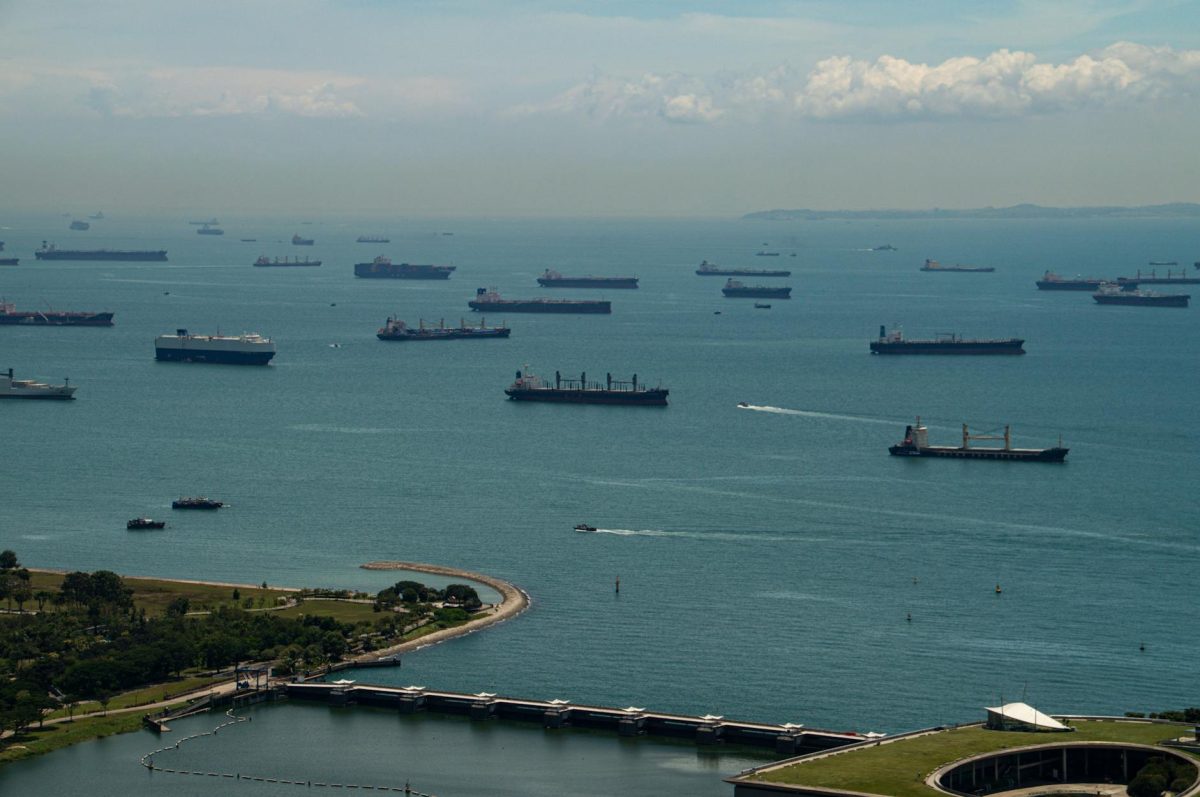
“The Iranian Navy has taken necessary measures to secure the country's territorial waters and prevent any foreign entity from entering the region without permission,”
What We Don't Know Yet
Several questions remain unanswered about the incident, including the identity of the US warship involved and the nature of the encounter. The US Navy has not commented on the incident, and it is unclear what actions the US will take in response to the blockade. The Iranian Navy's claims about the incident have not been independently verified, and it is unclear what evidence supports their claims. The incident highlights the complexities of the regional security dynamics and the need for greater transparency and cooperation between nations.
Key Takeaways
- The Iranian Navy intercepted a US warship attempting to enter the Strait of Hormuz on Monday.
- The blockade has significant implications for global oil markets and the reliability of Middle Eastern oil supplies.
- The US and Iranian governments will likely engage in diplomatic efforts to resolve the situation.
- The incident highlights the complexities of regional security dynamics and the need for greater transparency and cooperation between nations.
- The impact of the blockade on global oil prices remains to be seen, but it is likely to be significant.
What to Watch in the Next 24-72 Hours
The next 24-72 hours will be critical in determining the outcome of the incident. The US and Iranian governments will likely engage in diplomatic efforts to resolve the situation, and any developments will be closely watched by the international community. Key individuals to watch include Iranian Supreme Leader Ali Khamenei and US Secretary of State Antony Blinken, who will likely play a crucial role in resolving the situation. Any escalation of the situation could have serious consequences for regional and global stability.
The Strait of Hormuz is a critical chokepoint for international energy trade, with over 20% of the world's oil supply passing through it, according to a report by the US Energy Information Administration.
The blockade of the Strait of Hormuz by the Iranian Navy has significant implications for global oil markets and regional stability. The incident highlights the complexities of regional security dynamics and the need for greater transparency and cooperation between nations. As the situation continues to unfold, it is essential to remain vigilant and closely monitor any developments.