US Central Command Claims Interception of Iranian Attacks in Hormuz Strait, Launched Strikes in Response

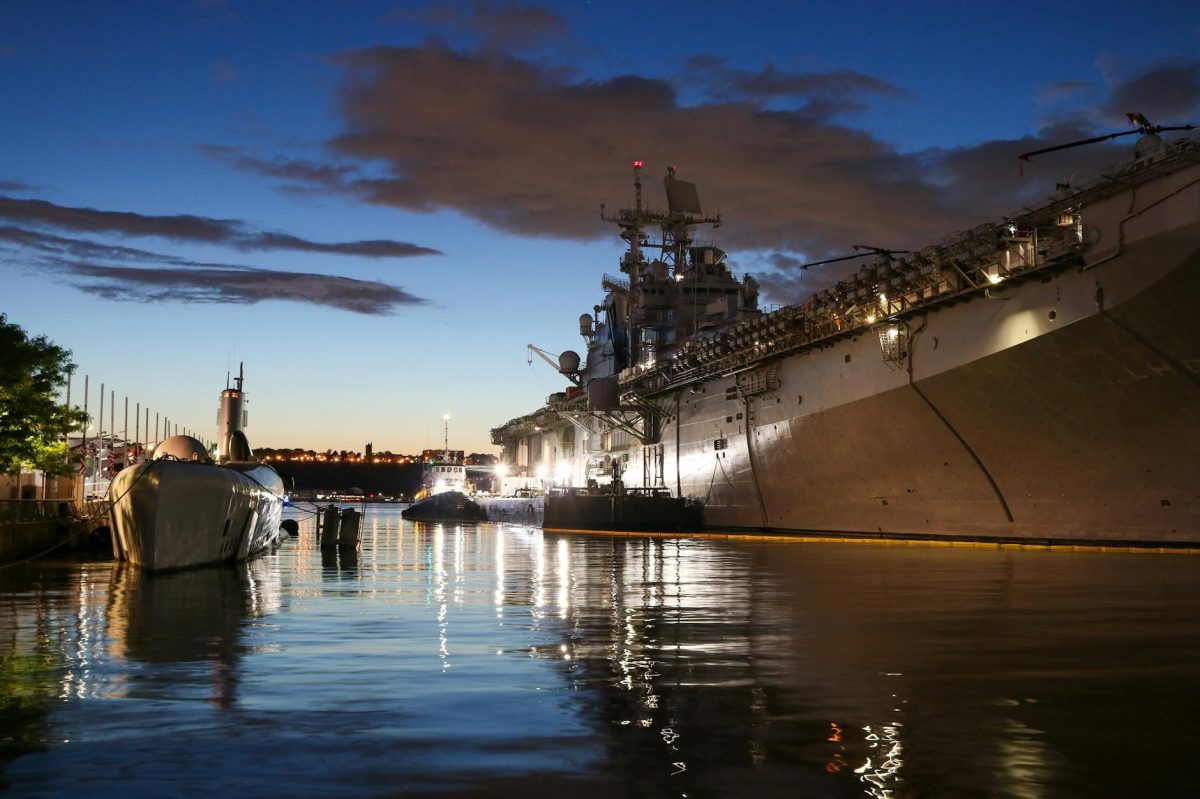
The US Central Command has confirmed that American forces intercepted Iranian attacks in the Strait of Hormuz, a critical waterway that connects the Persian Gulf to the Gulf of Oman, and launched strikes in response. The interception and subsequent strikes have significant implications for regional stability and global oil markets. The US military has stated that the intercepted attacks were aimed at disrupting maritime traffic in the Strait of Hormuz, which is a critical chokepoint for global oil supplies.
US Central Command Claims Interception of Iranian Attacks, Launched Strikes in Response
According to an account given by a spokesperson for the US Central Command, the US military intercepted an Iranian attack on May 7, 2024, in the early hours of the morning. The spokesperson stated that the intercepted attack was aimed at disrupting maritime traffic in the Strait of Hormuz, which is a critical waterway that connects the Persian Gulf to the Gulf of Oman. The spokesperson also stated that the US military launched strikes in response to the intercepted attack, with the goal of protecting American interests and regional stability.
The spokesperson specifically stated that the intercepted attack was comprised of multiple Iranian ships that were attempting to block the Strait of Hormuz. The spokesperson also stated that the US military used a combination of conventional and cyber warfare tactics to intercept the attack and prevent it from succeeding.
According to the spokesperson, the intercepted attack was the latest in a series of Iranian provocations in the region.
The US Central Command has stated that the strikes launched in response to the intercepted attack were successful, with no reports of significant damage or casualties. However, the US military has stated that the incident highlights the ongoing threat posed by Iranian aggression in the region.
Why the Interception of Iranian Attacks Matters
The interception of Iranian attacks in the Strait of Hormuz and the subsequent strikes launched by the US military have significant implications for regional stability and global oil markets. The Strait of Hormuz is a critical chokepoint for global oil supplies, with an estimated 20% of the world's oil passing through it. Any disruption to maritime traffic in the Strait of Hormuz could have significant economic and geopolitical consequences. The US military has stated that the intercepted attack was aimed at disrupting maritime traffic in the Strait of Hormuz, which would have had significant economic and geopolitical consequences. The incident highlights the ongoing threat posed by Iranian aggression in the region and underscores the need for continued vigilance and cooperation between the US and its allies to protect regional stability and global oil markets.
The interception of Iranian attacks in the Strait of Hormuz also has implications for the safety and security of maritime traffic in the region. The US military has stated that the intercepted attack was comprised of multiple Iranian ships that were attempting to block the Strait of Hormuz. The incident highlights the need for continued cooperation between the US and its allies to protect maritime traffic in the region and prevent future Iranian provocations.


“The interception of Iranian attacks in the Strait of Hormuz is a clear demonstration of the US military's commitment to protecting American interests and regional stability. We will continue to work closely with our allies to prevent future Iranian provocations and ensure the safe and secure passage of maritime traffic in the region.”
What We Don't Know Yet
While the US Central Command has confirmed that the US military intercepted an Iranian attack in the Strait of Hormuz and launched strikes in response, there are still many unanswered questions about the incident. The exact nature and scope of the intercepted attack are still unclear, with the US military stating that the attack was comprised of multiple Iranian ships. However, the exact number of ships and the level of damage inflicted on the ships are still unknown. Additionally, the US military has stated that the strikes launched in response to the intercepted attack were successful, but the exact nature and extent of the damage inflicted on Iranian forces are still unclear. The incident also raises questions about the role of other countries in the region, including Saudi Arabia and the United Arab Emirates, who have been critical of Iranian aggression in the region. It remains to be seen how these countries will respond to the incident and whether they will increase their military presence in the region.
What to Watch
In the coming days and weeks, several key developments will be worth monitoring. The US military has stated that it will continue to work closely with its allies to prevent future Iranian provocations and ensure the safe and secure passage of maritime traffic in the region. However, the incident highlights the ongoing threat posed by Iranian aggression in the region and underscores the need for continued vigilance and cooperation between the US and its allies to protect regional stability and global oil markets. The incident also raises questions about the role of other countries in the region, including Saudi Arabia and the United Arab Emirates, who have been critical of Iranian aggression in the region. It remains to be seen how these countries will respond to the incident and whether they will increase their military presence in the region. Additionally, the incident highlights the need for continued cooperation between the US and its allies to protect maritime traffic in the region and prevent future Iranian provocations.
Despite being a critical chokepoint for global oil supplies, the Strait of Hormuz is not the busiest shipping lane in the world, with only about 17 million barrels of oil passing through it every day, compared to over 50 million barrels that pass through the Malacca Strait between Malaysia and Indonesia.
The interception of Iranian attacks in the Strait of Hormuz and the subsequent strikes launched by the US military have significant implications for regional stability and global oil markets. While the exact nature and scope of the intercepted attack are still unclear, the incident highlights the ongoing threat posed by Iranian aggression in the region and underscores the need for continued vigilance and cooperation between the US and its allies to protect regional stability and global oil markets.