US Removes 13.5 Kilograms of Highly Enriched Uranium from Venezuela's RV-1 Reactor

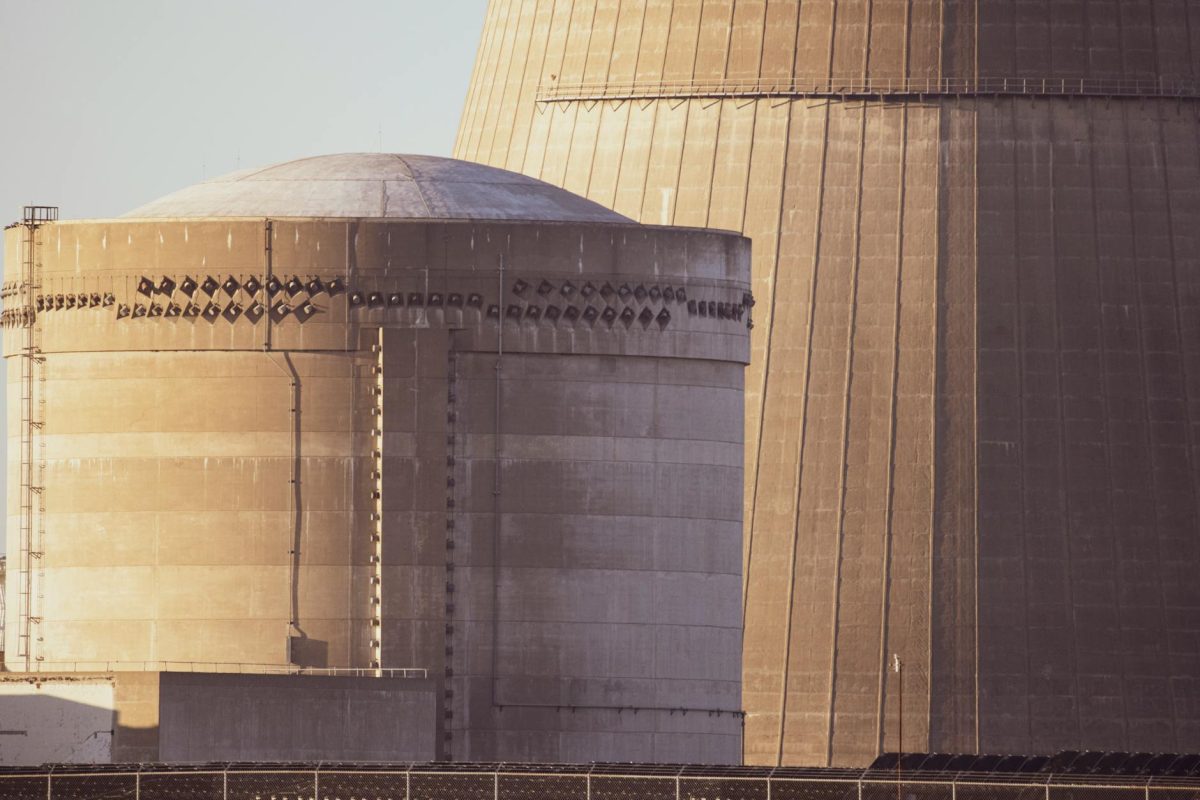
The US Department of Energy's National Nuclear Security Administration (NNSA) has removed 13.5 kilograms of highly enriched uranium from the former RV-1 research reactor at the Venezuelan Atomic Energy Commission's site in Caracas, Venezuela. This operation comes at a time when concerns about nuclear proliferation in the region have been escalating. The removal of highly enriched uranium is a crucial step in preventing the misuse of nuclear materials.
US Removes Highly Enriched Uranium from Venezuela's RV-1 Reactor
According to a statement from the US Department of Energy's National Nuclear Security Administration, the operation to remove the highly enriched uranium from the RV-1 reactor at the Venezuelan Atomic Energy Commission's site in Caracas, Venezuela, was successfully completed. The removal process involved the transportation of the highly enriched uranium to a secure facility where it will be stored and disposed of in a safe and secure manner. Account to an NNSA spokesperson, the operation was carried out in close coordination with Venezuelan authorities and involved the use of specialized equipment and personnel. The removal of highly enriched uranium from the RV-1 reactor is a significant accomplishment in the efforts to prevent the proliferation of nuclear materials in the region.
Why the Removal of Highly Enriched Uranium Matters
The removal of highly enriched uranium from the RV-1 reactor is a crucial step in preventing the misuse of nuclear materials. The Venezuelan Atomic Energy Commission's site in Caracas, Venezuela, was one of the few locations in the region where highly enriched uranium was stored. With the removal of this material, the risk of nuclear proliferation in the region has been significantly reduced. The international community has been concerned about the potential for nuclear materials to fall into the wrong hands in the region, and this operation is a major step in addressing those concerns.

What We Don't Know Yet
Despite the successful completion of the operation to remove highly enriched uranium from the RV-1 reactor, there are still several questions that remain unanswered. For example, it is unclear what the exact motivations were behind the storage of highly enriched uranium at the Venezuelan Atomic Energy Commission's site in Caracas, Venezuela. Additionally, it is unclear what the long-term plans are for the secure storage and disposal of the highly enriched uranium. The US Department of Energy's National Nuclear Security Administration has stated that it will continue to work with Venezuelan authorities to ensure the safe and secure storage of highly enriched uranium.
What to Watch
In the coming days and weeks, there are several key developments that will be worth monitoring. The US Department of Energy's National Nuclear Security Administration has stated that it will continue to work with Venezuelan authorities to ensure the safe and secure storage of highly enriched uranium. Additionally, the international community will be watching to see if this operation will serve as a model for future cooperation between nations in preventing nuclear proliferation. The US Department of Energy's National Nuclear Security Administration has also stated that it will continue to provide assistance to Venezuelan authorities in the safe and secure storage and disposal of nuclear materials.
The highly enriched uranium removed from the RV-1 reactor in Venezuela could have been used to create a nuclear bomb with a yield of up to 10 kilotons, roughly two-thirds the size of the bomb dropped on Hiroshima during World War II.
The removal of highly enriched uranium from the RV-1 reactor at the Venezuelan Atomic Energy Commission's site in Caracas, Venezuela, is a crucial step in preventing the misuse of nuclear materials. The operation involved the cooperation of the US Department of Energy's National Nuclear Security Administration, Venezuelan authorities, and other international partners. This cooperation demonstrates the commitment of the international community to preventing the misuse of nuclear materials and promoting global security. As we move forward, it is essential that we continue to work together to prevent nuclear proliferation and promote global security.