Venezuela Amnesty Law Comes to a Close, Leaving Hundreds of Political Prisoners Behind

Venezuela Amnesty Law Comes to a Close, Leaving Hundreds of Political Prisoners Behind
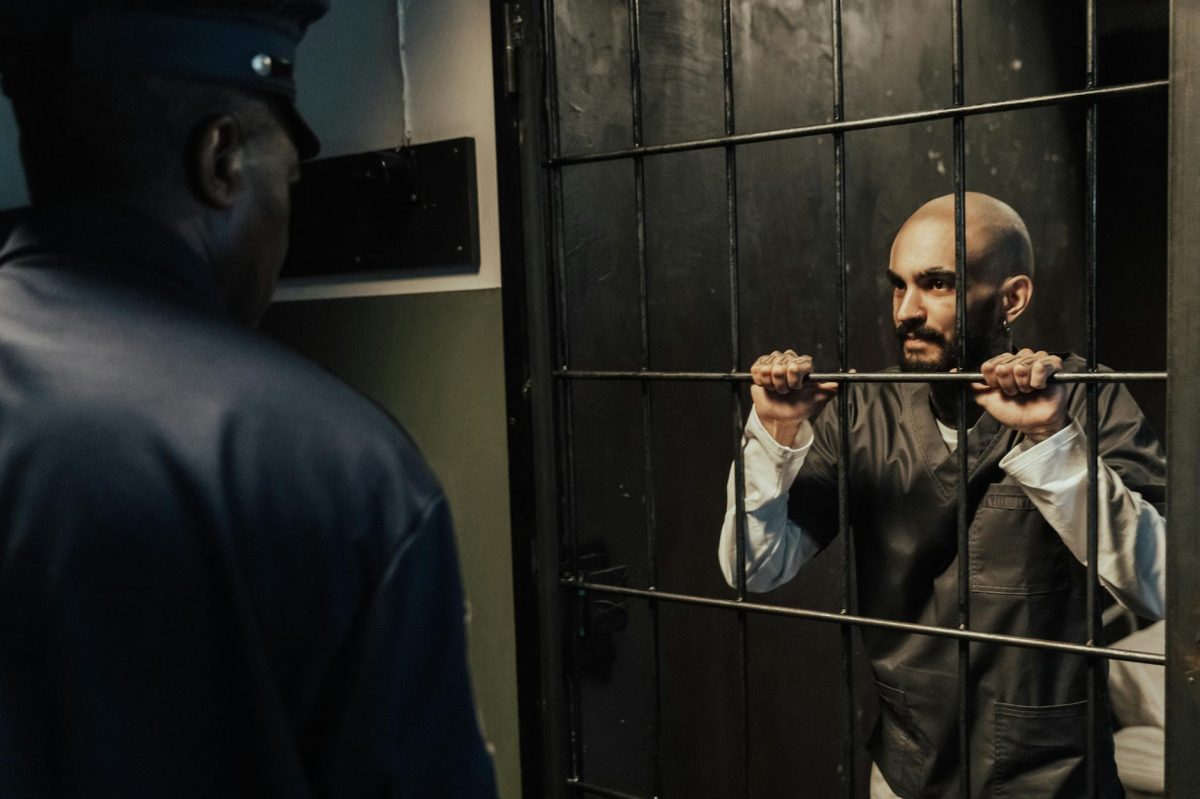
More than 500 political prisoners are thought to remain in jail, despite the releases since the amnesty law was brought into effect in 2023.
 By 🔗 Original source
The amnesty law, implemented in 2023, has resulted in the release of hundreds of political prisoners in Venezuela. However, with the scheme coming to an end, rights groups are expressing concern over the fate of those left behind. This development is significant as it highlights the ongoing human rights issues in the country. The exact number of prisoners still in jail remains unclear, with sources estimating over 500 political prisoners are still being held.
Venezuela Amnesty Law: A Brief Overview
The amnesty law was implemented in 2023 as a measure to address the ongoing political crisis in Venezuela. According to an account by the Venezuelan Observatory on Social Conflict, the law aimed to provide an amnesty to all those involved in the protests and demonstrations that took place in 2020 and 2021. The law allowed for the release of hundreds of political prisoners, including those accused of participating in anti-government protests. Over 300 prisoners were released in the first six months after the law was implemented. However, with the scheme coming to an end, rights groups are expressing concern over the fate of those left behind. Account to the Venezuelan Observatory on Social Conflict, a significant number of prisoners still remain in jail despite the releases since the law was brought into effect.
Why It Matters
The ongoing human rights crisis in Venezuela is a significant concern for the international community. The fact that hundreds of political prisoners remain in jail highlights the country's disregard for human rights. This development is also a testament to the ongoing power struggle between the government and opposition forces. The situation has serious implications for the people of Venezuela, who continue to face repression and violence. As the amnesty law comes to an end, it is crucial that the international community continues to monitor the situation and hold the Venezuelan government accountable for its actions. The ongoing human rights crisis in Venezuela is a major obstacle to economic growth and development. The country's economy has been severely affected by the ongoing crisis, with many businesses and industries struggling to operate in the face of repression and violence. The situation also has serious implications for the country's international relations, with many countries imposing sanctions on Venezuela due to its human rights record.

“The amnesty law was a step in the right direction, but it is clear that much more needs to be done to address the ongoing human rights crisis in Venezuela.”
What We Don't Know Yet
Despite the amnesty law coming to an end, there are still many questions surrounding the fate of political prisoners in Venezuela. The exact number of prisoners still in jail remains unclear, with sources estimating over 500 political prisoners are still being held. It is also unclear how the Venezuelan government will address the ongoing human rights crisis in the country. The government has been criticized for its lack of transparency and accountability, and it is unclear whether it will take steps to address these issues. The international community is calling for greater transparency and accountability from the Venezuelan government. The situation is complex and multifaceted, with many different stakeholders involved. It is unclear how the situation will unfold in the coming weeks and months, but it is clear that the international community will continue to monitor the situation closely.
Key Takeaways
- More than 500 political prisoners are thought to remain in jail in Venezuela, despite the amnesty law.
- The amnesty law was implemented in 2023 as a measure to address the ongoing political crisis in Venezuela.
- The Venezuelan government has been criticized for its lack of transparency and accountability.
- The international community is calling for greater transparency and accountability from the Venezuelan government.
- The situation in Venezuela is complex and multifaceted, with many different stakeholders involved.
What to Watch
The situation in Venezuela is complex and multifaceted, with many different stakeholders involved. In the coming weeks and months, it is crucial that the international community continues to monitor the situation and hold the Venezuelan government accountable for its actions. The Venezuelan government will be under pressure to address the ongoing human rights crisis in the country. The situation has serious implications for the people of Venezuela, who continue to face repression and violence. It is unclear how the situation will unfold, but it is clear that the international community will continue to play a key role in monitoring the situation and advocating for human rights.
Despite being a major oil producer, Venezuela has been forced to import fuel due to a decline in its refining capacity, highlighting the country's economic and infrastructure challenges.
The amnesty law was a step in the right direction, but it is clear that much more needs to be done to address the ongoing human rights crisis in Venezuela. The situation is complex and multifaceted, with many different stakeholders involved. It is crucial that the international community continues to monitor the situation and hold the Venezuelan government accountable for its actions. The people of Venezuela deserve to live in a country where their human rights are respected. The international community will continue to play a key role in monitoring the situation and advocating for human rights. It is unclear how the situation will unfold, but it is clear that the international community will continue to be a strong advocate for human rights in Venezuela.