WHO Prequalifies First-Ever Malaria Treatment for Newborns and Young Infants Weighing Two to Five Kilograms

WHO Prequalifies First-Ever Malaria Treatment for Newborns and Young Infants Weighing Two to Five Kilograms
The World Health Organization (WHO) announced the prequalification of artemether-lumefantrine for newborns and young infants weighing between two and five kilograms, ahead of World Malaria Day on 25 April.
 By 🔗 Original source
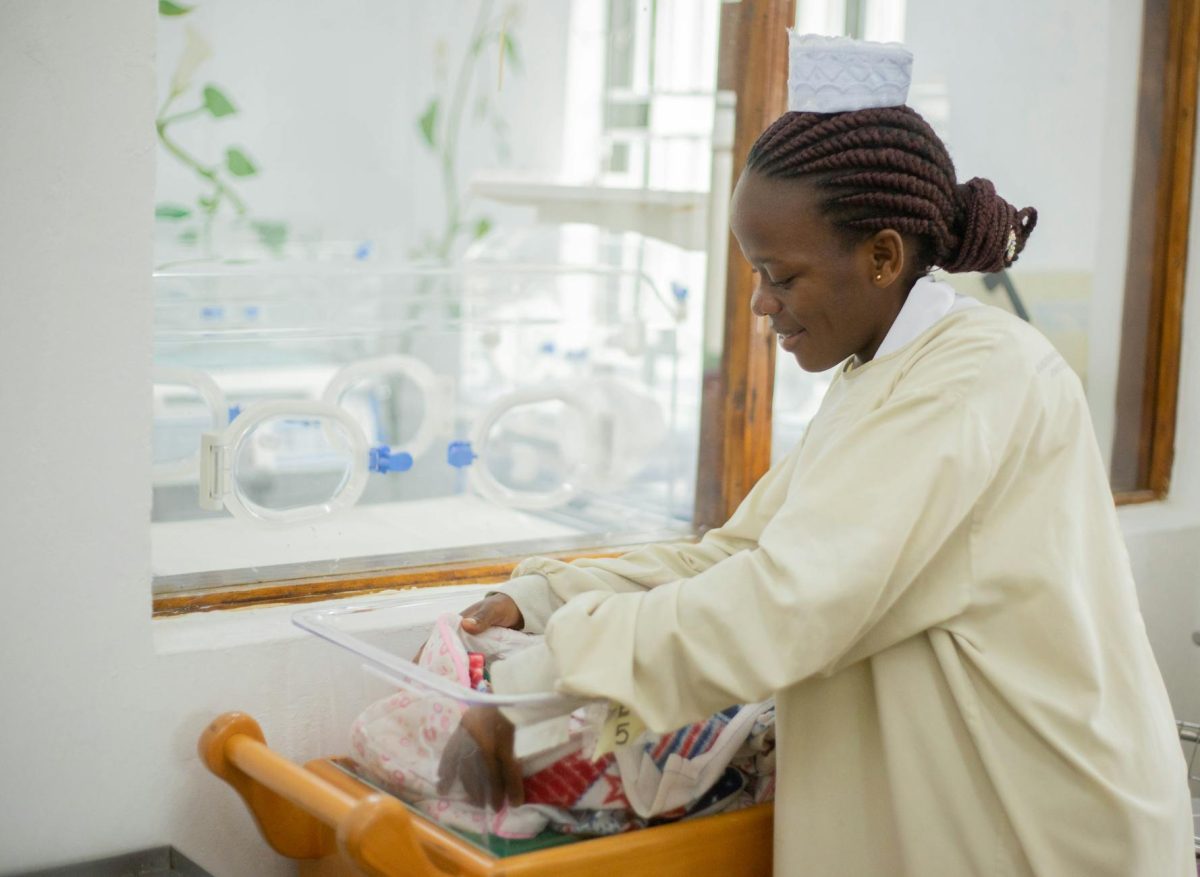
The World Health Organization (WHO) has prequalified the first-ever treatment specifically designed for newborns and young infants weighing between two and five kilograms with the malaria medicine artemether-lumefantrine. This breakthrough is significant because it means that healthcare providers can now access a safe and effective treatment for this vulnerable population.
WHO Prequalifies Artemether-Lumefantrine for Newborns and Young Infants
According to the WHO, the prequalification of artemether-lumefantrine for newborns and young infants weighing between two and five kilograms is a major step forward in the fight against malaria. The medicine meets international standards for quality, safety, and efficacy, and is expected to save thousands of lives. Account to WHO Director-General Dr. Tedros Adhanom Ghebreyesus, "The prequalification of artemether-lumefantrine for newborns and young infants is a significant milestone in our efforts to control malaria." For example, in 2020, there were 229 million cases of malaria reported worldwide, resulting in 409,000 deaths, with most of these occurring in Africa. The WHO estimates that the prequalification of this treatment will make it possible to reach up to 30% more children with effective treatment for malaria.
Why the Prequalification of Artemether-Lumefantrine Matters
The prequalification of artemether-lumefantrine for newborns and young infants is a significant development because it highlights the need for targeted treatments for vulnerable populations. Malaria is a major public health problem in many parts of the world, particularly in Africa, where it is responsible for over 90% of all malaria-related deaths. The prequalification of this treatment means that healthcare providers can now access a safe and effective treatment for a population that is particularly vulnerable to the disease. This breakthrough also underscores the importance of investing in research and development to address the needs of marginalized communities.

“The prequalification of artemether-lumefantrine for newborns and young infants is a significant milestone in our efforts to control malaria. It is a testament to the power of collaboration and the commitment of our partners to saving lives and improving health outcomes.”
What We Don't Know Yet
While the prequalification of artemether-lumefantrine is a significant development, there are still many questions that need to be addressed. For example, how will this treatment be made available to healthcare providers in remote and resource-poor settings? What is the plan for distributing the medicine and training healthcare workers to administer it effectively? Additionally, what is the timeline for scaling up access to this treatment, and how will its impact be monitored and evaluated?
Key Takeaways
- The WHO has prequalified the first-ever treatment specifically designed for newborns and young infants weighing between two and five kilograms with the malaria medicine artemether-lumefantrine.
- The prequalification of artemether-lumefantrine is a significant milestone in the fight against malaria, with the potential to save thousands of lives.
- The WHO estimates that the prequalification of this treatment will make it possible to reach up to 30% more children with effective treatment for malaria.
- The prequalification of artemether-lumefantrine underscores the importance of investing in research and development to address the needs of marginalized communities.
- The WHO's plans for distributing the artemether-lumefantrine will be crucial to monitor in the next 24-72 hours.
What to Watch
In the next 24-72 hours, it will be crucial to monitor the WHO's plans for distributing the artemether-lumefantrine to healthcare providers in malaria-endemic countries. We should also be watching for updates on the timeline for scaling up access to this treatment and the plan for training healthcare workers to administer it effectively. Additionally, we will be looking for information on the progress of research and development efforts to address the needs of marginalized communities and improve health outcomes.
Malaria was once a major problem in the United States, with over 400,000 cases reported in 1946, but thanks to concerted efforts, the disease was virtually eliminated from the country by the 1950s.
The prequalification of artemether-lumefantrine for newborns and young infants is a major breakthrough in the fight against malaria. While there are still many questions that need to be addressed, this development highlights the importance of investing in research and development to address the needs of marginalized communities. With the right resources and support, it is possible to make significant progress in reducing the burden of malaria and improving health outcomes.