How To Create A Wildfire Evacuation Plan In 5 Steps
Protect yourself and loved ones with a comprehensive emergency preparedness guide for 2026
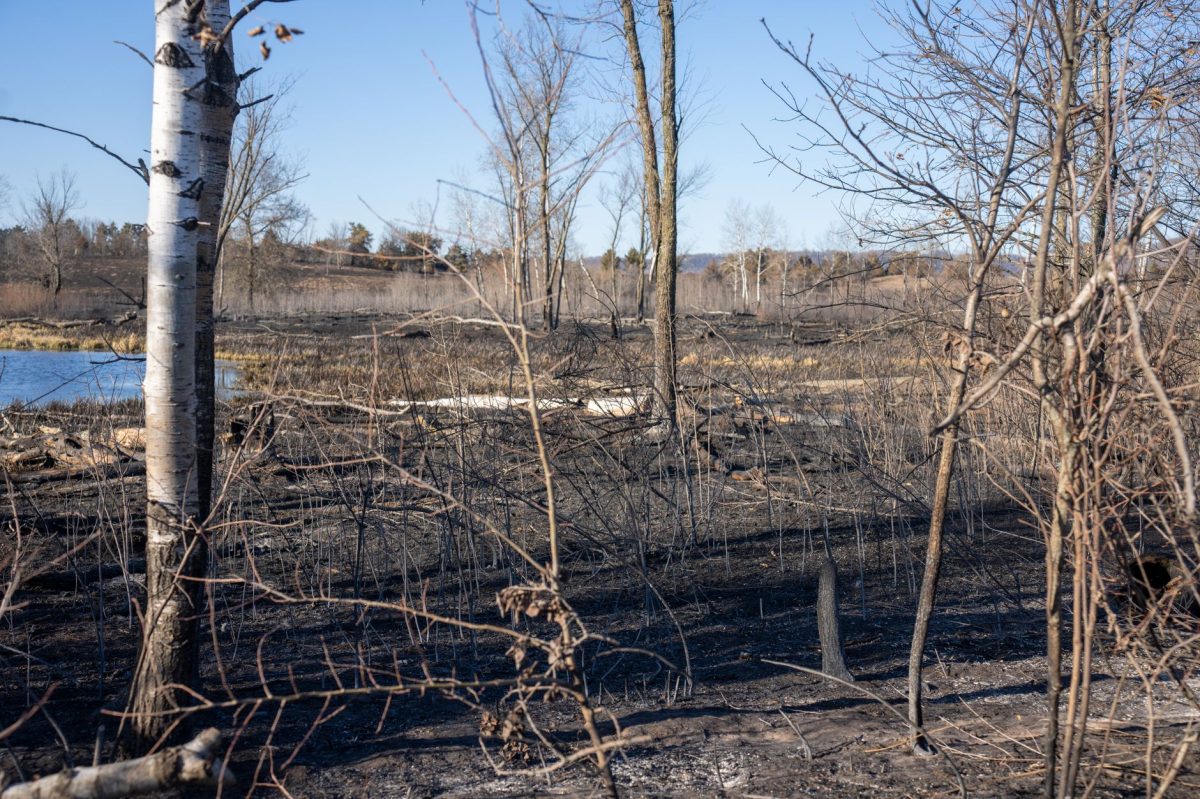
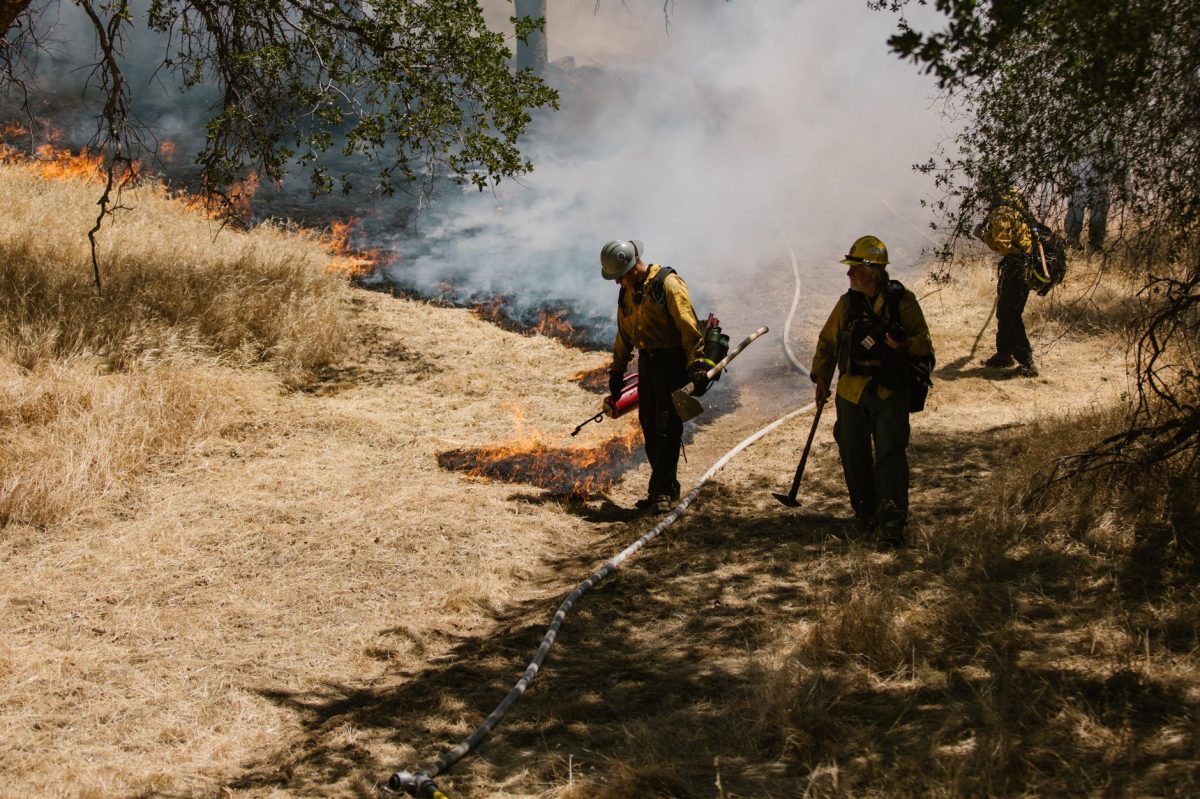
Wildfires can strike without warning, leaving families and communities vulnerable to disaster. With the rise of wildfires worldwide, it's essential to create a reliable evacuation plan to ensure everyone's safety. In this guide, we'll walk you through the 5 steps to create a comprehensive wildfire evacuation plan, helping you stay ahead of the flames.
Step 1: Identify Your Evacuation Zones
Begin by mapping out your home and surrounding areas to identify potential evacuation zones. Use an online tool like NatGeo's Wildfire Risk Map to assess your neighborhood's risk level. Create a list of escape routes and designate a primary and secondary evacuation route for each zone.
Step 2: Assemble an Emergency Kit
Gather essential items in a portable kit, including water, non-perishable food, first aid supplies, and a battery-powered radio. Make sure to include personal documents, medications, and a phone charger. Use a checklist like REI's Emergency Kit Checklist to ensure you have everything you need.
Step 3: Communicate with Family Members
Develop a family emergency plan that includes contact information, meeting points, and a communication strategy. Use a tool like Life360 to share your location and communicate with family members in real-time. Make sure everyone knows the evacuation plan and their role in the emergency response.
Step 4: Stay Informed and Monitor Weather Conditions
Stay up-to-date with local weather forecasts and wildfire updates using a weather app like Dark Sky. Set up emergency alerts on your phone to receive timely updates. Keep a battery-powered radio on hand to stay informed during a power outage.
Step 5: Practice Your Evacuation Plan
Conduct regular drills to ensure everyone knows their role in the evacuation process. Practice escaping your home quickly and safely, and choose a safe meeting point outside the evacuation zone. Use Google Maps to identify safe routes and avoid congested areas.
Keep a hard copy of your evacuation plan, including maps and contact information, in a safe and easily accessible location, such as a fireproof container or a safe deposit box.
By following these 5 steps, you'll be well-prepared to evacuate safely and quickly in the event of a wildfire. Remember to review and update your plan regularly to ensure everyone stays informed and safe. Next, consider sharing your evacuation plan with neighbors and local authorities to create a stronger community response.