How To Send Humanitarian Aid to Countries in Crisis
A 5-step guide to delivering aid and making a difference in times of need
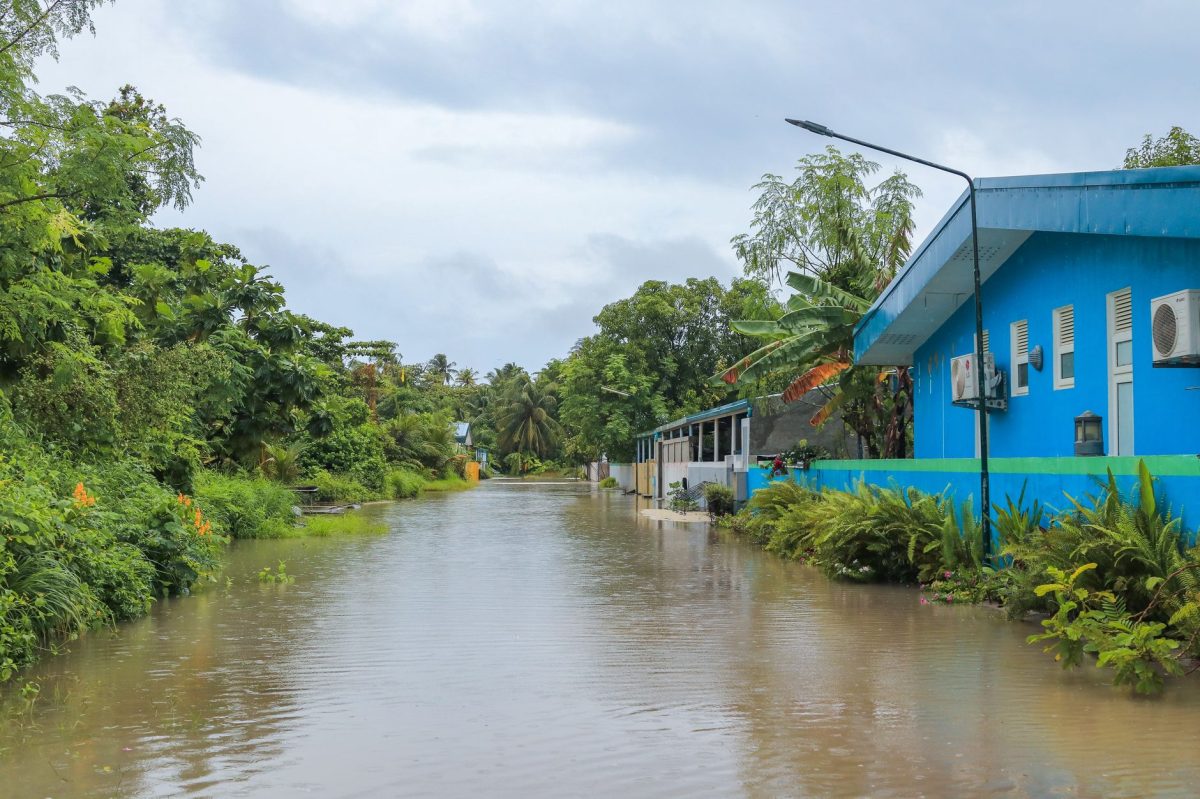
As the world witnesses devastating natural disasters and conflicts, the need for humanitarian aid has never been greater. Sending aid to countries in crisis can be a complex process, but with the right knowledge and resources, you can make a significant difference. This guide will walk you through the 5 essential steps to send humanitarian aid and help those in need.
Step 1: **Identify the Need**
Research the current crisis and identify the areas that require immediate attention. Use websites like ReliefWeb and the United Nations Office for the Coordination of Humanitarian Affairs (UN OCHA) to stay updated on the latest humanitarian situations. You can also contact local NGOs and community organizations to get a better understanding of the ground situation.
Step 2: **Choose the Right Aid**
Select the type of aid that is most suitable for the crisis. This could include food, shelter, medical supplies, or water purification systems. Consider partnering with organizations that specialize in providing specific types of aid, such as Doctors Without Borders for medical aid or the Red Cross for shelter and water supply.
Step 3: **Secure Funding and Resources**
Gather the necessary funds and resources to support your aid effort. This could involve crowdfunding, organizing fundraising events, or applying for grants from organizations like the United Nations Central Emergency Response Fund (CERF). You can also explore partnerships with local businesses and community organizations to access resources and expertise.
Step 4: **Coordinate with Local Partners**
Establish connections with local partners, including NGOs, community organizations, and government agencies. This will help you ensure that your aid reaches the intended recipients and is delivered efficiently. Use platforms like the Humanitarian Data Exchange (HDX) to connect with local partners and coordinate your efforts.
Step 5: **Monitor and Evaluate**
Regularly monitor the situation on the ground and evaluate the effectiveness of your aid effort. Use data analytics tools like Tableau or Power BI to track the impact of your aid and make adjustments as needed. This will help you refine your approach and ensure that your aid is making a meaningful difference in the lives of those affected by the crisis.
Consider partnering with organizations that specialize in data collection and analysis, such as the United Nations High Commissioner for Refugees (UNHCR), to gain a deeper understanding of the crisis and its impact on the affected population.
By following these 5 steps, you can make a significant difference in the lives of those affected by humanitarian crises. Remember to stay informed, be flexible, and continually adapt your approach to ensure that your aid is effective and sustainable. As you continue to learn and grow in this field, consider exploring opportunities to collaborate with other aid organizations and community groups to amplify your impact.