5 Ways To Protect Your Historic Home From Environmental Disasters
Prevent costly damage and preserve your family's heritage with these practical steps
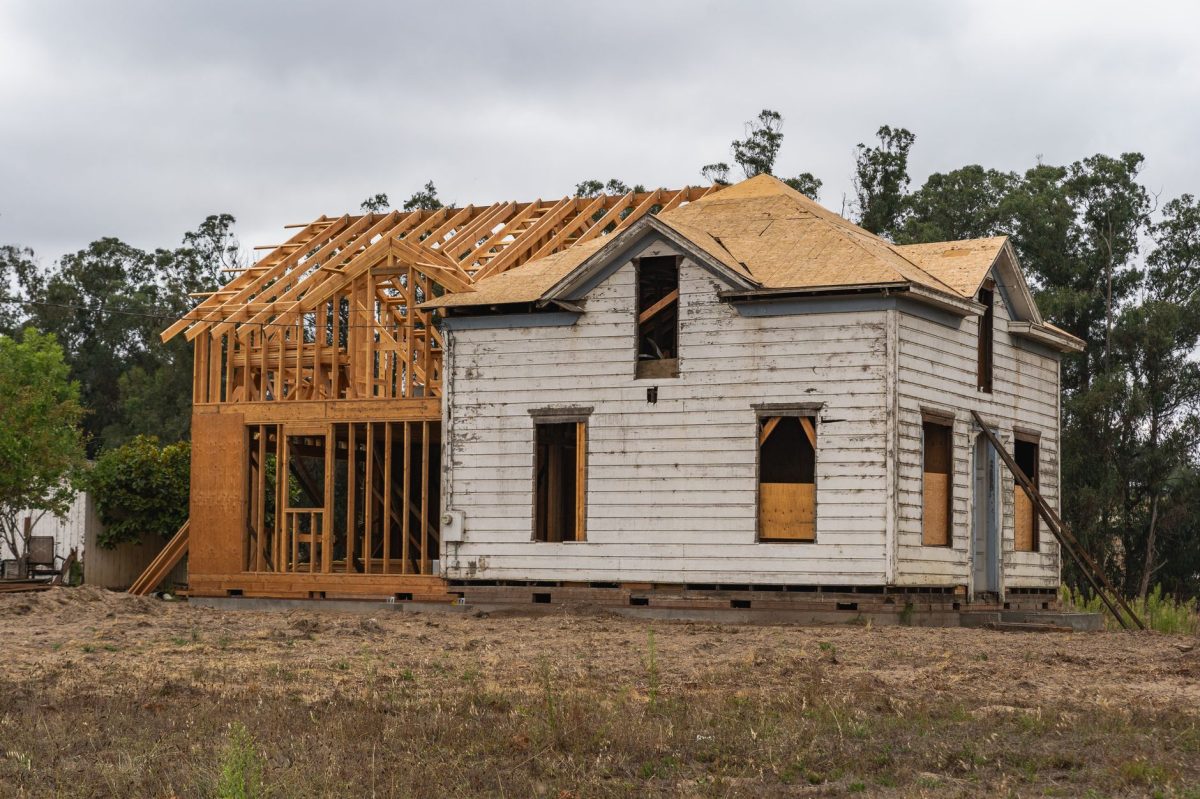
As a homeowner, you take pride in maintaining your historic home's unique character and charm. However, environmental disasters can strike at any moment, causing costly damage and threatening your family's heritage. In this guide, you'll learn the best way to protect your historic home from environmental disasters, ensuring it remains safe and intact for generations to come.
Step 1: Assess Your Home's Environmental Risks
Start by identifying potential environmental hazards in your area, such as flood zones, wildfire risks, and earthquake fault lines. Use online tools like the Federal Emergency Management Agency's (FEMA) Flood Map Service Center or the United States Geological Survey's (USGS) Earthquake Hazards Program to determine your home's vulnerability. Mitigate these risks by installing flood-proof barriers, trimming flammable vegetation, and securing heavy furniture and objects.
Step 2: Implement Water-Resistant Measures
Water damage is one of the most common causes of historic home deterioration. Install water-resistant roofing materials, such as asphalt shingles or metal roofs, and ensure proper drainage around your home's foundation. Use epoxy-based coatings to seal any cracks or gaps in your home's exterior walls and windows.
Step 3: Secure Your Home's Foundation
A stable foundation is essential for protecting your historic home from environmental disasters. Inspect your home's foundation for any signs of damage or weaknesses, and repoint any crumbling mortar joints with a durable, water-resistant material like lime-based mortar. Consider installing a French drain system to redirect groundwater away from your home's foundation.
Step 4: Protect Your Home's Interior
In addition to protecting your home's exterior, you must also safeguard its interior from environmental disasters. Seal any cracks or gaps in your home's interior walls and ceilings with a flexible, water-resistant sealant, and install a whole-house filtration system to remove pollutants and debris from the air.
Step 5: Develop an Emergency Preparedness Plan
In the event of an environmental disaster, having a well-developed emergency preparedness plan can help minimize damage and ensure your family's safety. Create a plan that includes evacuation routes, emergency contact numbers, and a list of essential supplies, such as non-perishable food, water, and first aid kits. Regularly review and update your plan to ensure it remains effective and relevant.
Don't overlook the importance of regular maintenance and inspections in preventing environmental disasters. Schedule annual check-ups with a qualified contractor or preservation expert to identify potential hazards and address them before they become major issues.
By following these 5 steps, you'll be well on your way to protecting your historic home from environmental disasters. Remember to stay vigilant and proactive in maintaining your home's integrity, and don't hesitate to seek professional help when needed. With the right preparation and precautions, you can preserve your family's heritage for generations to come.