How To Improve Your Open Water Swimming Skills: The 5 Ways
Master the art of open water swimming with these expert tips and techniques
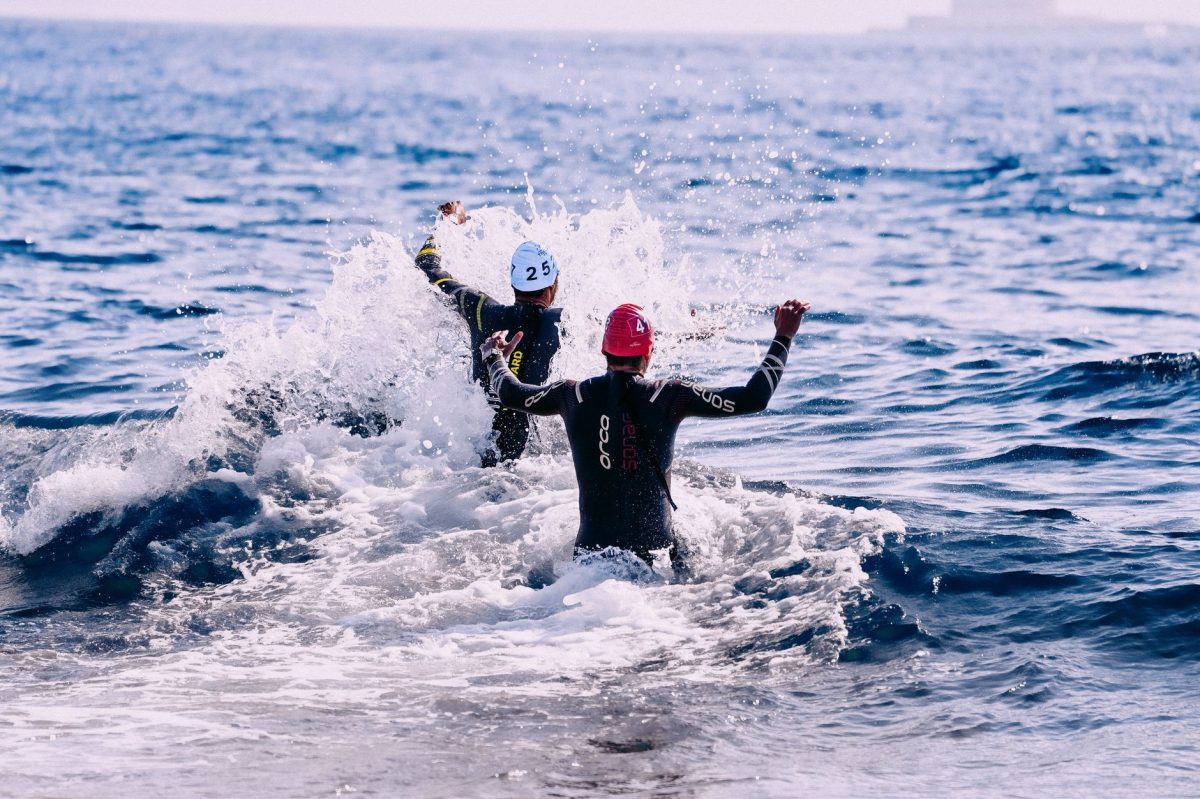
Are you looking to improve your open water swimming skills? Whether you're a beginner or an experienced swimmer, mastering the techniques of open water swimming can be a challenge. In this guide, we'll share the 5 ways to help you improve your open water swimming skills and stay safe in the water. You'll learn how to navigate through currents, read the water, and develop the endurance you need to swim long distances.
Step 1: **Condition Your Body**
To improve your open water swimming skills, you need to condition your body for endurance. This means building your cardiovascular fitness, increasing your muscle strength, and improving your flexibility. You can start by incorporating exercises like running, cycling, and swimming into your workout routine, and gradually increase the intensity and duration over time. For example, you can try swimming 1-2 kilometers in the pool and then gradually increase the distance to 3-5 kilometers over the course of several weeks.
Step 2: **Practice Reading the Water**
Reading the water is a critical skill for open water swimming. It involves understanding the currents, tides, and water conditions that can affect your swim. You can practice reading the water by observing the water conditions, feeling the currents, and paying attention to the signs of changing water conditions. For example, you can use a waterproof GPS watch to track your swim speed and distance, and adjust your pace accordingly.
Step 3: **Develop Your Stroke Technique**
Your stroke technique is critical for efficient and effective open water swimming. You can develop your stroke technique by practicing different strokes, such as the freestyle, backstroke, and breaststroke, and focusing on proper body positioning, arm and leg movement, and breathing. For example, you can try practicing your freestyle stroke with a pull buoy to focus on your arm movement and body positioning.
Step 4: **Practice Swimming in Different Conditions**
To improve your open water swimming skills, you need to practice swimming in different conditions, such as currents, waves, and changing light conditions. You can practice swimming in different conditions by finding a variety of swimming locations, such as lakes, rivers, and oceans, and swimming at different times of the day and in different weather conditions. For example, you can try swimming in the morning and evening to experience the changing light conditions, and swimming in strong currents to build your endurance.
Step 5: **Get the Right Gear**
Having the right gear can make a big difference in your open water swimming experience. You can get the right gear by investing in a good-quality wetsuit, goggles, and swim cap, and by choosing the right swimming shoes and gloves. For example, you can try using a wetsuit that provides thermal insulation and flexibility, and goggles that provide good visibility and protection from the sun.
Many people overlook the importance of **warming up and cooling down** before and after their swim. Warming up and cooling down can help prevent injuries, reduce muscle soreness, and improve your overall performance. You can try incorporating dynamic stretching and light swimming into your warm-up and cool-down routine, such as swimming easy laps or doing some arm circles and leg swings.
By following these 5 ways to improve your open water swimming skills, you'll be able to master the art of open water swimming and stay safe in the water. Remember to condition your body, practice reading the water, develop your stroke technique, practice swimming in different conditions, and get the right gear. With consistent practice and dedication, you'll be able to swim long distances and enjoy the beauty of open water swimming.