How To Stay Safe During Conflict Zones in 7 Steps
Protect yourself and your loved ones from the risks associated with war and civil unrest
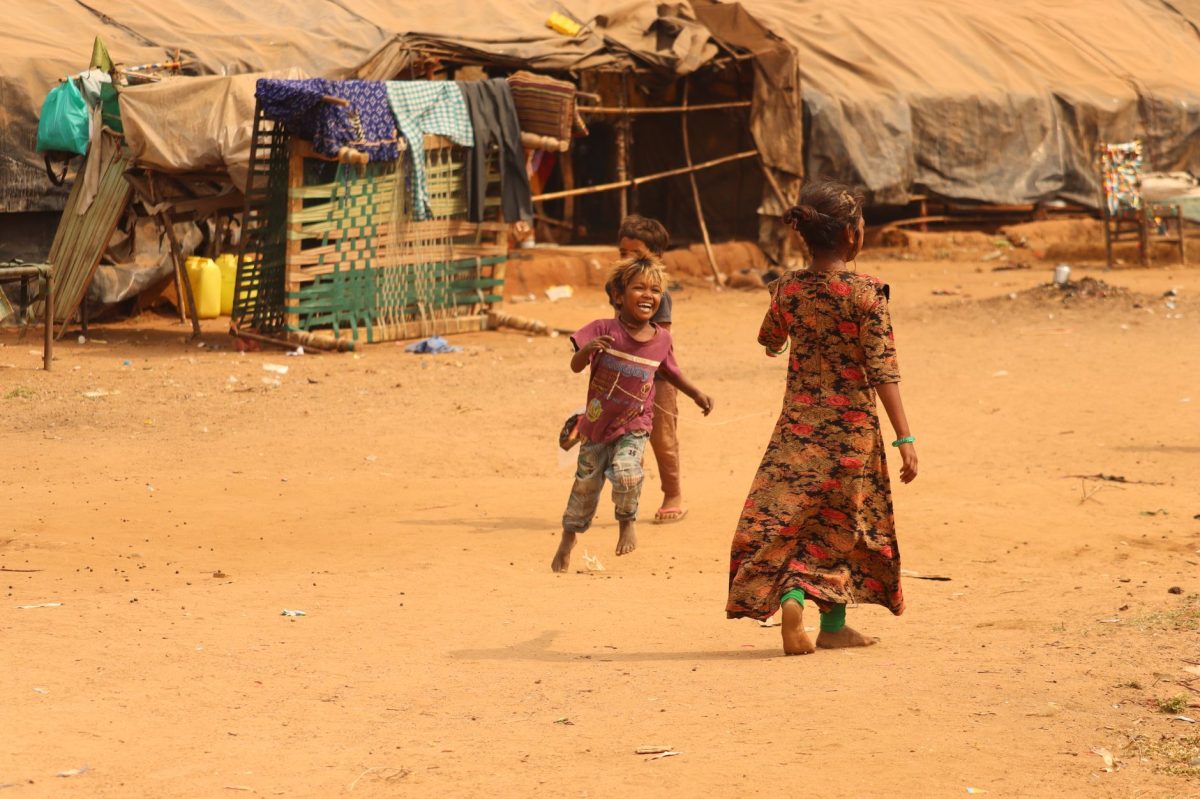
Conflicts and civil unrest can erupt at any moment, putting millions of people at risk. Whether you live in a war-torn area or are traveling to a high-risk region, it's essential to know how to stay safe. In this guide, we'll walk you through 7 steps to help you protect yourself and your loved ones from the dangers of conflict zones.
Step 1: **Stay Informed** About Conflict Zones
Stay up-to-date with local news and events by following reputable sources such as the BBC, Al Jazeera, or local news outlets. Use online tools like Google News or Apple News to get the latest updates on conflicts and civil unrest. You can also sign up for emergency alerts from your government or local authorities to stay informed.
Step 2: **Create a Evacuation Plan**
Develop a plan with your family or colleagues on how to evacuate the area quickly and safely. Identify safe routes, emergency shelters, and contact numbers for local authorities or your embassy. Make sure everyone knows the plan and can communicate effectively in case of an emergency.
Step 3: **Stock an Emergency Kit**
Assemble a kit with essential items such as non-perishable food, water, first aid supplies, and a battery-powered radio. Make sure to include important documents like passports, identification cards, and insurance documents. You can also consider investing in a portable power bank or solar charger to keep your devices charged.
Step 4: **Secure Your Home**
Board up windows, lock doors, and secure any valuable items in a safe place. Consider installing a home security system or investing in a portable safe. Make sure to have a plan in place to protect your home and belongings in case of an evacuation.
Step 5: **Stay Connected**
Keep your phone charged and consider investing in a portable power bank. Use social media or messaging apps to stay in touch with family and friends. Make sure to have a backup plan in case your primary communication channels are disrupted.
Step 6: **Understand Your Risks**
Assess your individual risks by considering factors such as your location, occupation, and personal circumstances. Use online resources like the US Department of State's Travel Advisory website to get information on conflict zones and travel warnings. You can also consult with local authorities or experts to get a better understanding of the risks in your area.
Step 7: **Know Your Evacuation Routes**
Identify safe evacuation routes and keep a map or GPS device with you at all times. Make sure to have a plan in place for alternative routes and modes of transportation. You can also consider investing in a portable GPS device or a satellite phone to stay connected in case of an emergency.
Don't underestimate the power of **mental preparation**. Stay calm, focused, and prepared to respond to unexpected situations. Practice your evacuation plan regularly and make sure everyone in your household knows what to do in case of an emergency.
By following these 7 steps, you'll be better equipped to stay safe during conflict zones. Remember to stay informed, create a plan, and secure your home. In case of an emergency, stay connected, understand your risks, and know your evacuation routes. With these tips, you'll be able to protect yourself and your loved ones from the dangers of conflict zones.