How To Protect Your Cargo From Maritime Risks: The 10 Steps
Learn the best ways to shield your goods from disruptions, piracy, and security threats in the shipping industry
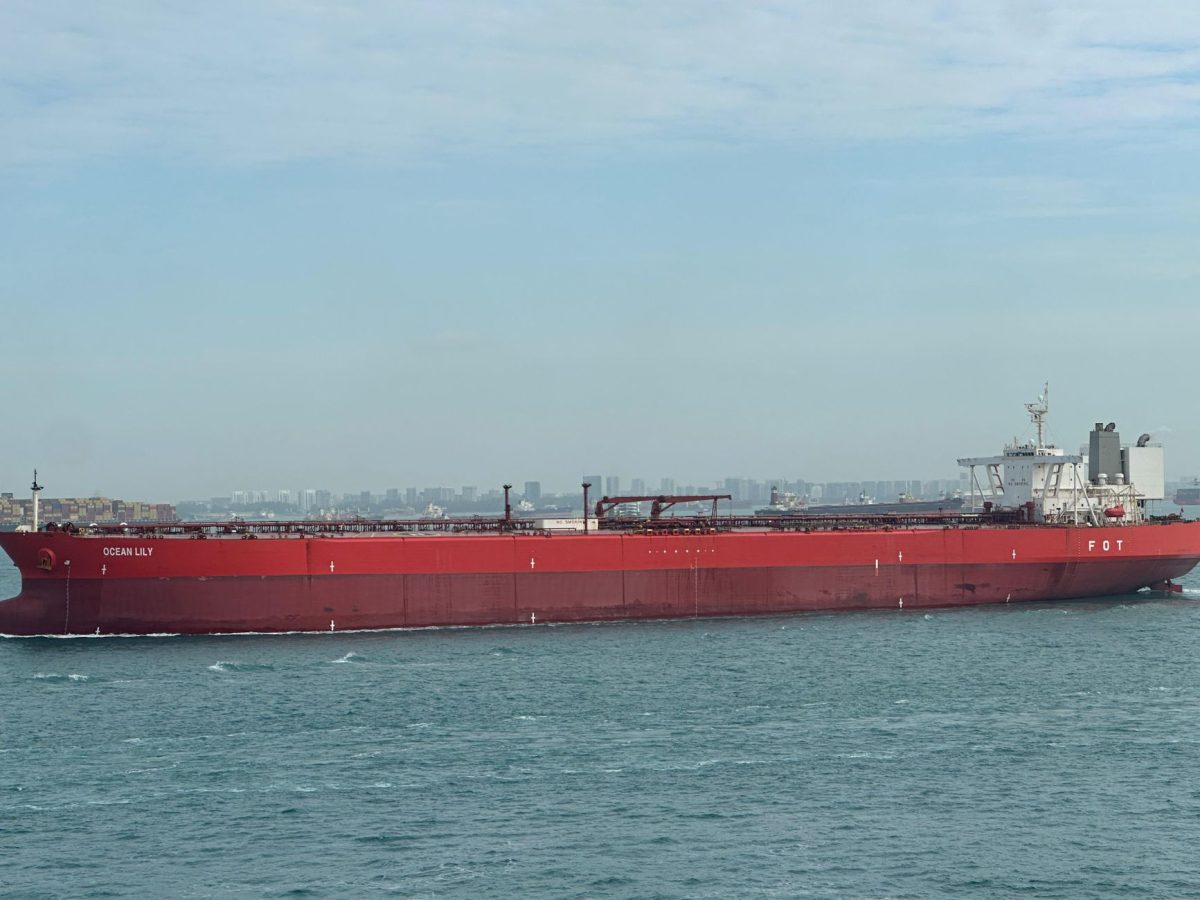
As the news of Saudi tankers turning away from the Gulf of Aden highlights, maritime risks can significantly impact your business. Protecting your cargo requires proactive measures and strategic planning. In this guide, you'll learn the 10 essential steps to safeguard your goods and stay ahead of potential disruptions.
Step 1: **Assess** Your Shipping Route
Evaluate the security risks associated with your chosen shipping route using online tools like the Piracy Report by the International Maritime Bureau (IMB). Consider factors such as the number of reported incidents, pirate hotspots, and the presence of naval patrols. This information will help you make informed decisions about rerouting or taking additional security measures.
Step 2: **Choose** the Right Insurance Policy
Invest in a comprehensive insurance policy that covers your cargo against maritime risks, including piracy, natural disasters, and accidents. Research reputable insurers like Allianz or AXA, and carefully review policy terms to ensure you're adequately protected.
Step 3: **Implement** Secure Communication Protocols
Use secure communication channels to stay in touch with your shipping partners and suppliers. Consider using encrypted messaging apps like Signal or Telegram, and ensure all parties are aware of the security measures in place. This will help prevent sensitive information from falling into the wrong hands.
Step 4: **Verify** Vessel and Crew Security
Research the vessel's and crew's safety record, inspect their security protocols, and verify their compliance with international regulations. Utilize services like ShipIndex or VesselFinder to access valuable information about the vessel's history, ownership, and past incidents.
Step 5: **Monitor** Weather Conditions
Keep a close eye on weather forecasts and warnings to anticipate potential natural disasters, such as hurricanes or typhoons, that could impact your cargo. Sign up for weather alerts from reliable sources like the National Oceanic and Atmospheric Administration (NOAA) or Weather Underground.
Step 6: **Prepare** for Contingencies
Develop a comprehensive emergency response plan to address unexpected events, such as a hijacking or a ship collision. Identify potential risks, outline procedures, and establish communication channels with stakeholders. Regularly review and update your plan to ensure it remains effective.
Step 7: **Use** Advanced Tracking and Monitoring Systems
Invest in advanced tracking and monitoring systems, such as GPS tracking devices or satellite imaging, to stay informed about your cargo's location and condition. This will enable you to respond quickly to any security incidents or changes in your cargo's status.
Step 8: **Collaborate** with Shipping Partners and Suppliers
Establish open lines of communication with your shipping partners and suppliers to share critical information and coordinate responses to potential threats. Use collaboration tools like Slack or Microsoft Teams to facilitate seamless communication.
Step 9: **Stay** Up-to-Date with Maritime Industry Developments
Regularly follow maritime industry news and trends to stay informed about emerging risks and best practices. Subscribe to shipping industry publications or online forums to stay connected with experts and industry stakeholders.
Step 10: **Review** and Update Your Security Measures
Regularly review and update your security measures to ensure they remain effective and aligned with changing maritime risks. Conduct security audits and risk assessments to identify areas for improvement and implement necessary adjustments.
Consider hiring a **dedicated security officer** or **maritime risk consultant** to provide expert guidance and support in protecting your cargo.
By implementing these 10 essential steps, you'll be better equipped to mitigate maritime risks and safeguard your cargo. Stay vigilant, adapt to changing risks, and continuously review and update your security measures to ensure the safe transportation of your goods.