Saudi Tankers Turn Away from Gulf of Aden Amid Uncertainty

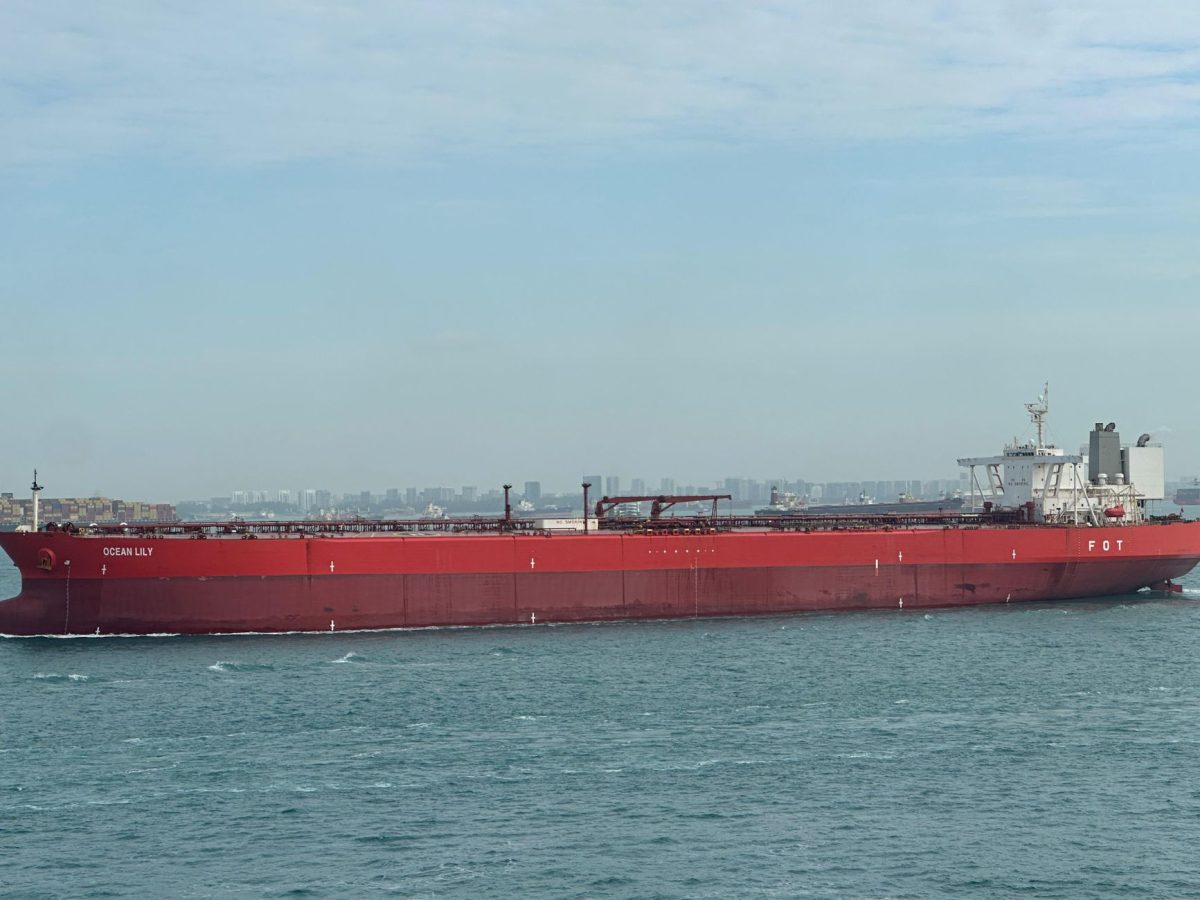
Six Saudi-flagged supertankers have altered their routes in the Gulf of Aden, leaving many to wonder about the implications for global oil supplies and regional security. This development is particularly noteworthy, given the strategic importance of the Gulf of Aden as a major shipping lane. As a result, concerns are growing about potential disruptions to trade and the impact on global economies.
Tankers Change Course Amid Uncertainty
According to multiple sources, six supertankers sailing under the Saudi flag have changed course in the Gulf of Aden over the past few days. This change in route has sparked widespread speculation about the reasons behind the decision, with many industry experts expressing concerns about the potential for increased tensions in the region. As one source noted, 'The Gulf of Aden is a critical shipping lane, and any disruptions to traffic could have a significant impact on global trade and commerce.' The supertankers in question are believed to be carrying a total of 30 million barrels of oil. The ships' new routes have taken them away from the Gulf of Aden and into the Indian Ocean, where they will continue their journeys to their destinations. The Saudi government has yet to comment on the matter, adding to the mystery surrounding the tankers' change in course. Account to a senior shipping industry executive reveals that the decision to alter the tankers' routes was made in response to 'heightened security concerns in the region.' When asked for further clarification, the executive declined to provide any additional information, citing the need to protect sensitive information.
Why the Tanker's Change in Course Matters
The decision by the Saudi tankers to change course in the Gulf of Aden highlights the increasingly complex and volatile nature of international shipping and trade. The Gulf of Aden is a critical shipping lane, and any disruptions to traffic could have a significant impact on global trade and commerce. This is not just a matter of concern for the shipping industry, but also for governments and economies around the world that rely on the free flow of goods and services. The potential for trade disruptions and increased costs could have far-reaching consequences, including price increases for consumers and decreased economic growth. Furthermore, the incident serves as a reminder of the ongoing tensions and security concerns in the region. As tensions between nations continue to escalate, the potential for conflict and disruption to global trade remains a pressing concern. The incident also raises questions about the effectiveness of maritime security measures and the ability of governments to protect their shipping interests. As one analyst noted, 'The incident highlights the need for increased cooperation and coordination between nations to ensure the safe and secure passage of ships through critical shipping lanes.'


“The Gulf of Aden is a critical shipping lane, and any disruptions to traffic could have a significant impact on global trade and commerce.”
What We Don't Know Yet
Despite reports of the tankers changing course, many questions remain unanswered. The exact reasons behind the decision are unclear, and it is unclear what specific security concerns led to the change in route. The Saudi government has yet to comment on the matter, leaving many to wonder about the motivations behind the tankers' change in course. Additionally, it is unclear what the long-term implications of the incident will be, both for the shipping industry and for global trade. As one expert noted, 'The incident highlights the need for increased transparency and communication between nations to ensure the safe and secure passage of ships through critical shipping lanes.' The incident also raises questions about the effectiveness of maritime security measures and the ability of governments to protect their shipping interests. In the absence of clear information, it is difficult to predict what the future holds for the tankers and the shipping industry.
Key Takeaways
- Six Saudi-flagged supertankers have changed course in the Gulf of Aden over the past few days.
- The tankers are believed to be carrying a total of 30 million barrels of oil.
- The decision to alter the tankers' routes was made in response to 'heightened security concerns in the region.'
- The incident highlights the need for increased cooperation and coordination between nations to ensure the safe and secure passage of ships through critical shipping lanes.
What to Watch
As the situation continues to unfold, several key factors will be worth monitoring in the coming days and weeks. The Saudi government's response to the incident will be closely watched, as will the actions of other nations in the region. The impact on global trade and commerce will also be closely monitored, as will any potential disruptions to shipping routes. Additionally, the effectiveness of maritime security measures will be scrutinized, as will the ability of governments to protect their shipping interests. In the coming days, it is likely that the international community will come together to address the issue and work towards a resolution. As one expert noted, 'The incident highlights the need for increased cooperation and coordination between nations to ensure the safe and secure passage of ships through critical shipping lanes.'
Despite being a critical shipping lane, the Gulf of Aden is also home to a diverse array of marine life, including whales, dolphins, and coral reefs, which are often threatened by the increased shipping traffic and potential oil spills.
The decision by the Saudi tankers to change course in the Gulf of Aden has significant implications for global trade and commerce. As tensions between nations continue to escalate, the potential for conflict and disruption to global trade remains a pressing concern. The incident serves as a reminder of the ongoing tensions and security concerns in the region, highlighting the need for increased cooperation and coordination between nations to ensure the safe and secure passage of ships through critical shipping lanes. Ultimately, the incident highlights the need for a more nuanced and informed understanding of the complex issues at play in international shipping and trade.