How To Prevent Industrial Accidents With Better Plant Maintenance
Learn 7 key tips to identify potential hazards, report safety concerns, and implement effective maintenance strategies to avoid costly incidents like the Baotou industrial plant blast.
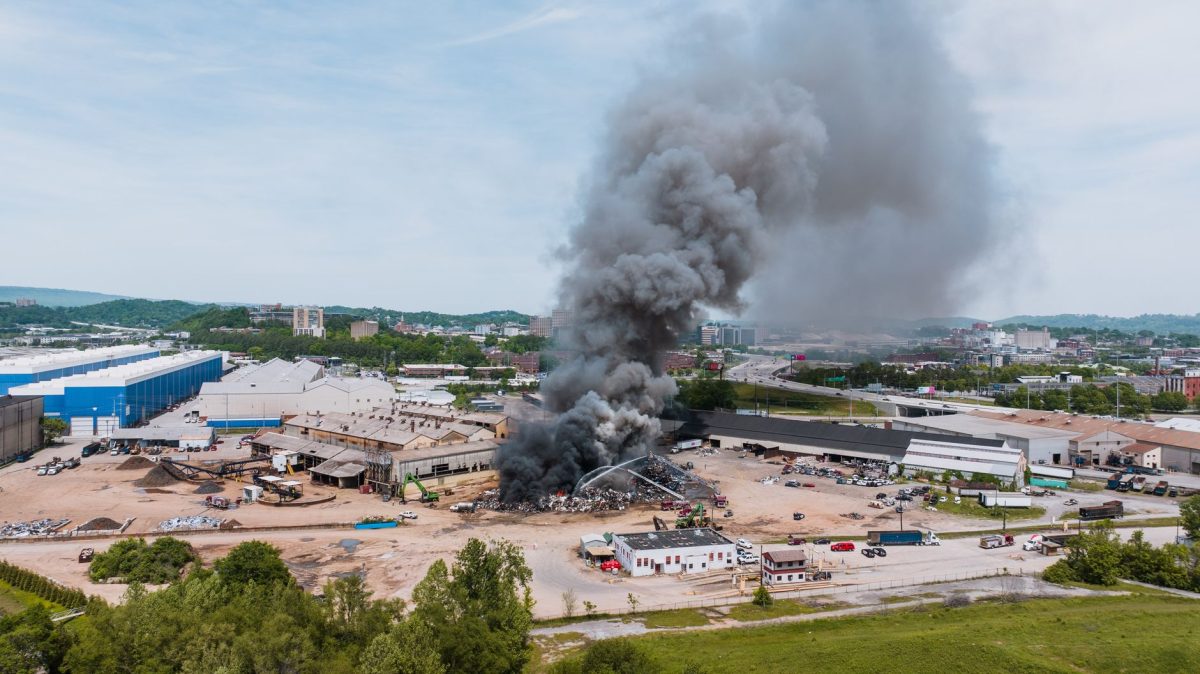
Industrial accidents can have devastating consequences, but by identifying potential hazards and implementing effective maintenance strategies, you can prevent costly incidents like the Baotou industrial plant blast. This guide provides 7 key tips to help you protect your workers, equipment, and reputation. By following these simple steps, you can ensure a safer and more efficient work environment.
Step 1: **Assess** Your Plant's Vulnerabilities
Conduct a thorough risk assessment of your plant to identify potential hazards, including faulty equipment, inadequate training, and poor housekeeping. Use tools like the Occupational Safety and Health Administration's (OSHA) Hazard Assessment Worksheet to help you identify areas of concern. Review your plant's maintenance records to identify patterns of neglect or inadequate maintenance. Prioritize the most critical hazards and develop a plan to address them.
Step 2: **Invest** in Regular Maintenance
Develop a regular maintenance schedule to ensure that equipment is inspected and repaired promptly. Allocate sufficient resources to fund necessary repairs and replacements. Consider investing in predictive maintenance tools like vibration analysis and oil analysis to detect potential problems before they occur. Use software like Maximo or SAP to track maintenance activities and optimize your maintenance schedule.
Step 3: **Train** Your Workers Properly
Ensure that all workers receive proper training on safety procedures, equipment operation, and emergency response. Provide regular refresher training to reinforce safe practices and update workers on new procedures. Use online training platforms like SafetyTraining or e-Learning for Industry to provide convenient and engaging training opportunities. Encourage open communication and reporting of safety concerns to prevent accidents.
Step 4: **Report** Safety Concerns
Establish a clear reporting process for safety concerns and encourage workers to report any hazards or near-misses. Use software like SafetyRisk or iAuditor to track and analyze safety incidents. Conduct regular safety audits to identify areas of improvement and provide feedback to workers on their role in preventing accidents.
Step 5: **Implement** Effective Safety Procedures
Develop and implement clear safety procedures for emergency situations, such as fires or explosions. Conduct regular drills to ensure that workers are prepared to respond to emergencies. Use safety software like SafetyPro to track and analyze safety incidents and identify areas for improvement.
Step 6: **Monitor** Compliance with Regulations
Ensure compliance with relevant regulations and industry standards, such as OSHA or ASME. Use software like ComplianceGuard to track and analyze regulatory requirements. Conduct regular audits to verify compliance and provide feedback to workers on areas for improvement.
Step 7: **Review** and Update Your Plan
Regularly review and update your plant's safety plan to ensure that it remains effective and relevant. Use data from safety audits and incident reports to identify areas for improvement. Involve workers and management in the review process to ensure that everyone is on the same page and committed to preventing accidents.
Don't underestimate the importance of open communication and worker engagement in preventing industrial accidents. Encourage workers to report safety concerns and provide feedback on safety procedures to ensure that everyone is committed to a safe work environment.
By following these 7 key tips, you can prevent industrial accidents and protect your workers, equipment, and reputation. Remember to regularly review and update your safety plan to ensure that it remains effective and relevant. Take the first step towards a safer work environment today!