How To Stay Safe While Traveling to Remote Tourist Destinations
Prevent Accidents and Emergencies with Our 5-Step Guide for Safe Travel
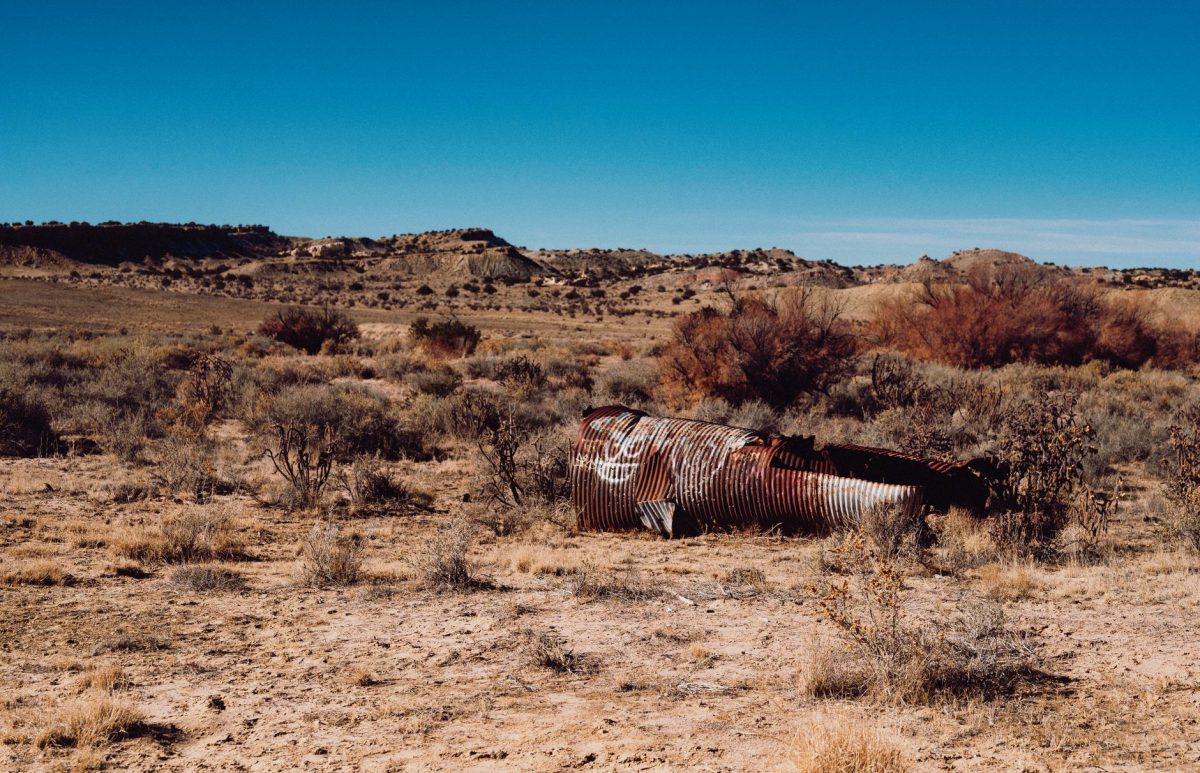
Are you planning a trip to a remote tourist destination but worried about your safety? You're not alone. Every year, thousands of travelers face unexpected challenges while exploring the world's most breathtaking sites. In this guide, we'll teach you how to stay safe while traveling to remote areas, just like the Nazca Lines in Peru, and prepare for emergencies with our 5-step plan.
Step 1: **Research** Your Destination Thoroughly
Before booking your trip, research the destination thoroughly. Look for information on local safety concerns, weather conditions, and emergency services. Websites like the U.S. Department of State's Travel Advisory website (travel.state.gov) and travel forums can provide valuable insights. You can also check the local embassy or consulate's website for up-to-date information on safety and security. Take notes and create a list of potential risks and ways to mitigate them.
Step 2: **Plan** Your Itinerary with Safety in Mind
Once you've researched your destination, plan your itinerary with safety in mind. Consider the time of day, weather, and potential hazards when choosing activities and transportation. Look for tour operators that have a good safety record and experienced guides. You can also use online tools like Google Maps to navigate unfamiliar areas and identify safe routes. Make sure to leave a copy of your itinerary with a trusted friend or family member.
Step 3: **Prepare** an Emergency Kit
Pack an emergency kit with essentials like a first aid kit, flashlight, and phone charger. Consider investing in a portable power bank to keep your devices charged. You should also have a plan for emergency situations, such as a list of important phone numbers and a copy of your passport. Look for apps like bSafe (bsafe.me) or Life360 (life360.com) that can help you stay connected with loved ones and receive emergency alerts.
Step 4: **Stay** Informed and Connected
Stay informed about local conditions and weather forecasts using apps like Weather Underground (wunderground.com) or the National Weather Service (weather.gov). You can also use social media to stay connected with your group and receive real-time updates. Make sure to download essential apps and tools before arriving at your destination, and consider purchasing a local SIM card or portable Wi-Fi hotspot for data access.
Step 5: **Trust** Your Instincts and Stay Alert
Finally, trust your instincts and stay alert while traveling. If a situation feels uncomfortable or suspicious, remove yourself from the situation and report it to the authorities. Stay aware of your surroundings and keep an eye on your belongings, especially in crowded areas. Remember, it's always better to err on the side of caution and prioritize your safety.
Don't forget to register with your government's travel advisory program, such as the U.S. Department of State's Smart Traveler Enrollment Program (step.state.gov), to receive important safety and security updates about your destination.
By following these 5 steps, you can stay safe while traveling to remote tourist destinations and enjoy a worry-free adventure. Remember to research, plan, prepare, stay informed, and trust your instincts. Take the first step today and plan your next trip with confidence.