Tourist Plane Crashes in Peru's Nazca Lines, Killing 13 People

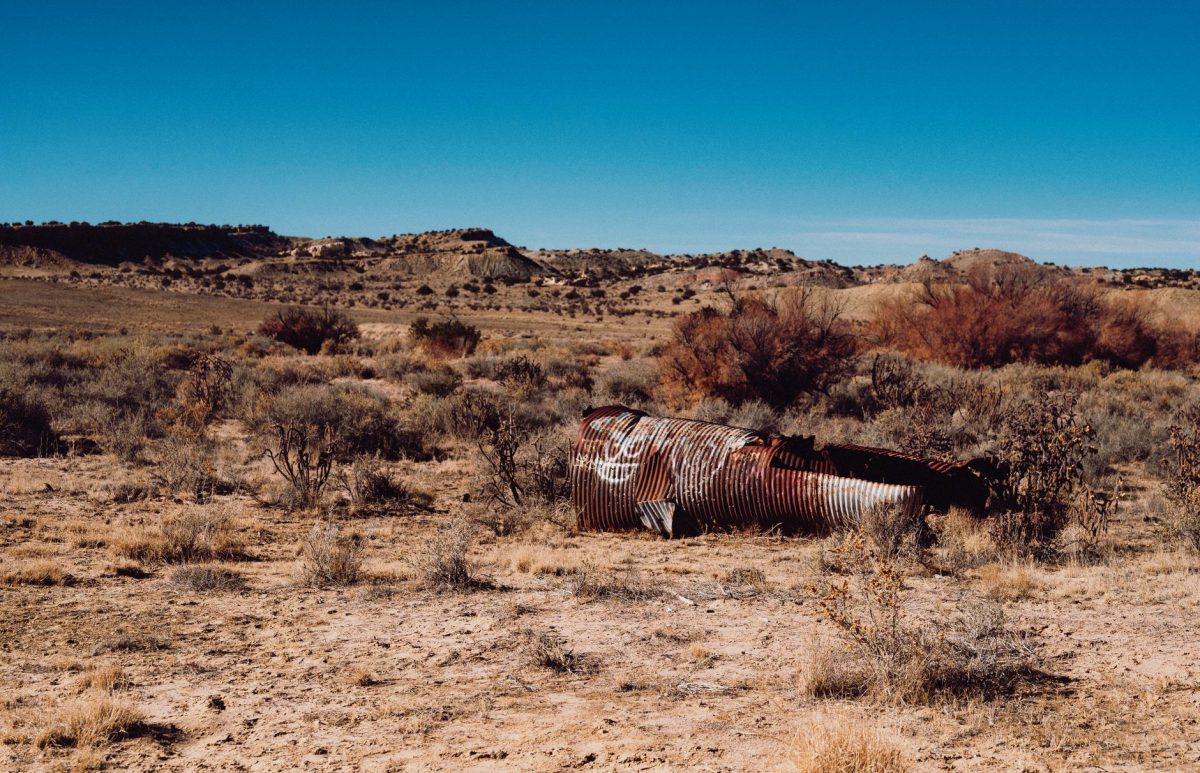
Thirteen people died in a plane crash over the Nazca Lines, a UNESCO World Heritage Site in southern Peru, highlighting concerns about air travel safety and the risks of flying over sensitive cultural sites.
Crash Details Emerge
Account to local authorities stated that the plane, a small charter aircraft, was flying over the Nazca Lines on July 31 when it encountered bad weather and crashed. The plane, carrying tourists from the US and Peru, was headed to the city of Lima from the town of Nazca. According to eyewitnesses, the plane was seen flying erratically before it crashed, killing all 13 people on board. The crash site is near the famous geoglyph of the hummingbird, which is a popular tourist destination. Peruvian Air Force officials confirmed that the plane was registered in Peru and had been flying for several years without any major incidents. The wreckage of the plane has been recovered and an investigation is ongoing to determine the cause of the crash. The Peruvian government has promised a thorough investigation into the incident and has vowed to improve air travel safety in the country.
Safety Concerns and Cultural Sensitivity
The crash highlights the risks associated with air travel, particularly in remote and sensitive areas like the Nazca Lines. The site is home to over 800 geoglyphs, including the famous hummingbird and monkey designs, which are considered sacred by the indigenous people of Peru. The crash also raises concerns about the impact of tourism on these sensitive cultural sites. The Nazca Lines are a UNESCO World Heritage Site, and the Peruvian government has implemented measures to protect the site from over-tourism. However, the crash highlights the need for more stringent safety regulations and cultural sensitivity when it comes to flying over these sites. Dr. Maria Rodriguez, a cultural anthropologist, stated that 'the Nazca Lines are not just a tourist attraction, but a sacred site for the indigenous people of Peru. We need to be mindful of the impact of tourism on these sites and ensure that safety regulations are in place to prevent such incidents in the future.'
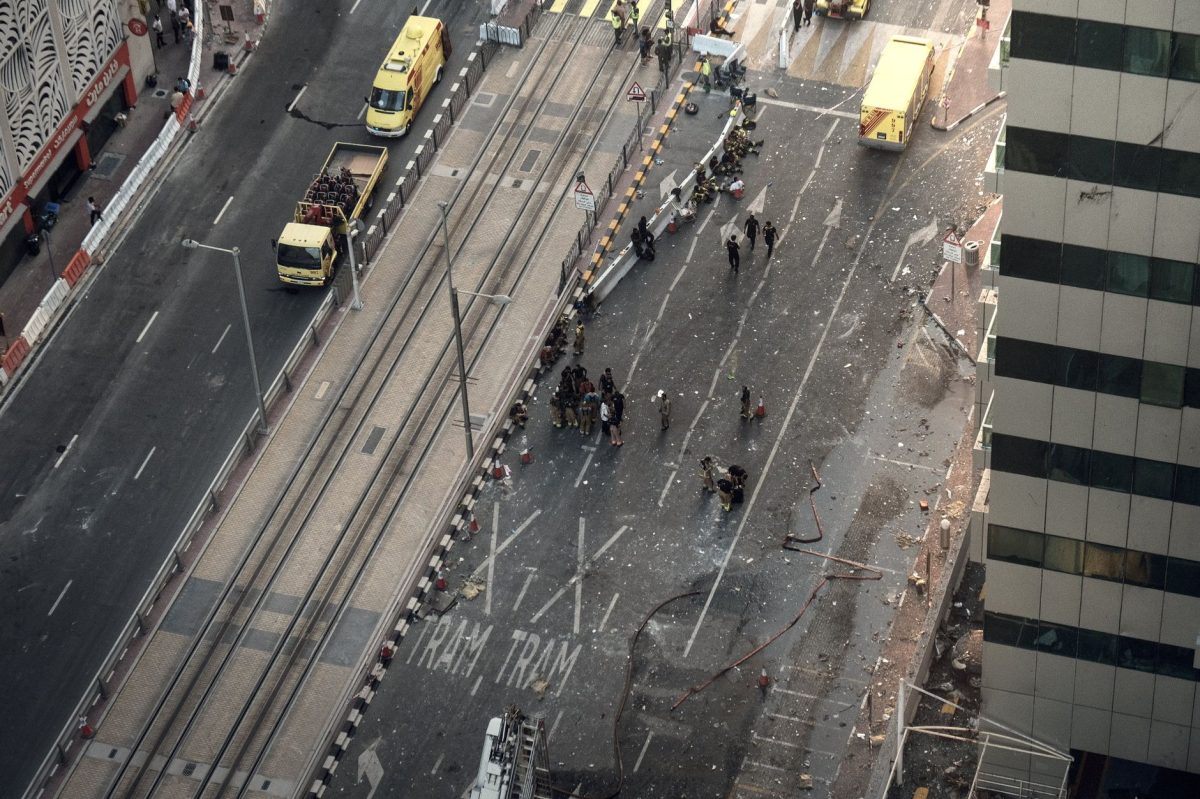

“The crash highlights the need for more stringent safety regulations and cultural sensitivity when it comes to flying over sensitive cultural sites.”
What We Don't Know Yet
The investigation into the crash is ongoing, and several questions remain unanswered. The cause of the crash is still unknown, and it is unclear whether the pilot made any errors or whether there were any mechanical issues with the plane. The Peruvian government has promised to release more information about the investigation in the coming days. Additionally, the impact of the crash on the local community and the tourism industry is still unclear. The Nazca Lines are a major tourist destination, and the crash may have a significant impact on the local economy. The Peruvian government has promised to provide support to the families of the victims and to the local community affected by the crash.
Key Takeaways
- Thirteen people died in a plane crash over the Nazca Lines in Peru on July 31.
- The plane was carrying tourists from the US and Peru and was headed to Lima from Nazca.
- The crash highlights the risks associated with air travel and the impact of tourism on sensitive cultural sites.
- The Peruvian government has promised a thorough investigation into the incident and has vowed to improve air travel safety in the country.
- The outcome of the investigation will have significant implications for air travel safety in Peru.
What to Watch
The investigation into the crash is expected to take several weeks, and several key people will be involved in the process. The Peruvian Aviation Authority will be leading the investigation, and they will be working closely with the Peruvian Air Force and the US National Transportation Safety Board. The investigation will focus on determining the cause of the crash and identifying any safety issues that may have contributed to the incident. The Peruvian government has promised to release regular updates on the investigation, and it is expected that the results will be made public in the coming months. The outcome of the investigation will have significant implications for air travel safety in Peru and may lead to changes in safety regulations and cultural sensitivity protocols for flying over sensitive cultural sites.
The Nazca Lines are so large that they can only be fully appreciated from an altitude of over 1,000 feet, making air travel a crucial part of the tourist experience.
The crash over the Nazca Lines is a tragic reminder of the risks associated with air travel and the impact of tourism on sensitive cultural sites. As the investigation continues, it is essential to prioritize safety and cultural sensitivity to prevent such incidents in the future. The Peruvian government has promised to take steps to improve air travel safety in the country, and it is hoped that the outcome of the investigation will lead to positive changes.