How To Protect Women in East Africa from Ebola Outbreak in 10 Steps
A step-by-step guide to understanding the impact of Ebola on women and how to support their communities
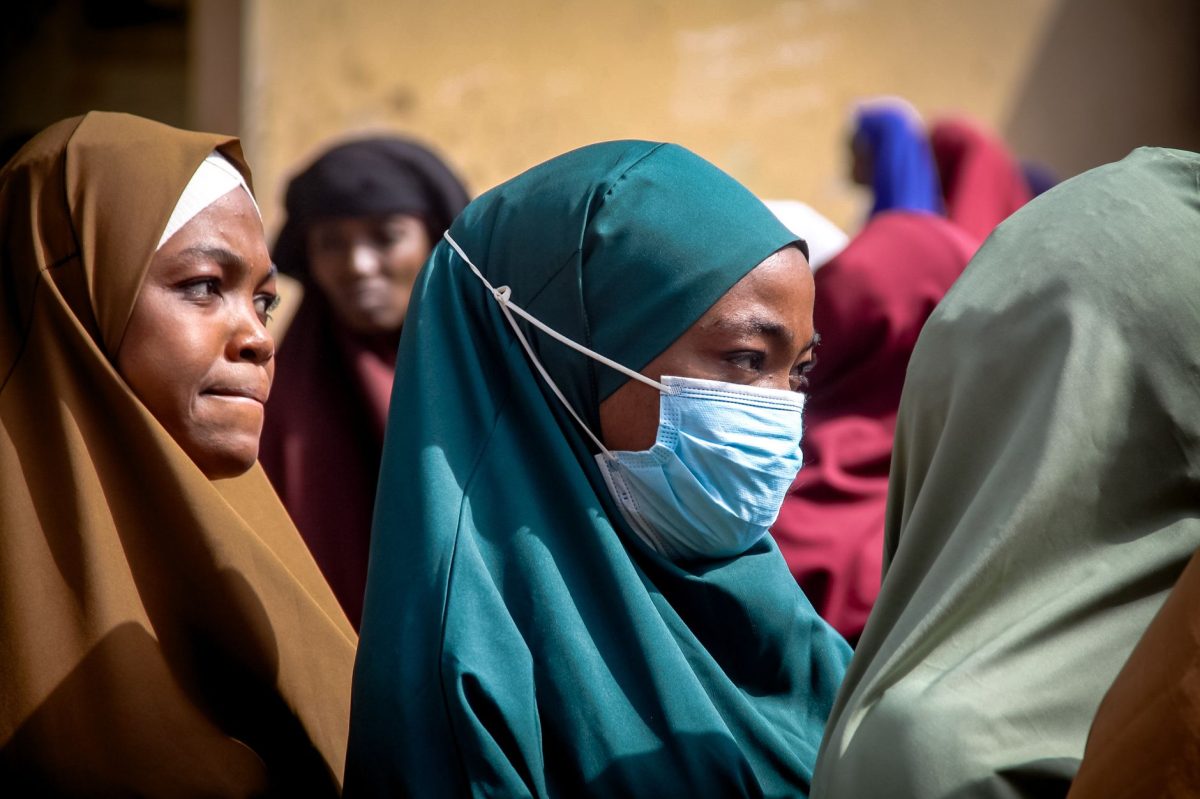
The Ebola outbreak in East Africa has taken a devastating toll on women, who are disproportionately affected by the crisis. Understanding the impact of Ebola on women and taking steps to support their communities is crucial for mitigating the disaster. In this guide, we will walk you through 10 practical steps to help you make a difference in the lives of women affected by the Ebola outbreak.
Step 1: **Understand** the Impact of Ebola on Women
Research the current situation in East Africa, focusing on the role of women in the affected communities. According to the World Health Organization (WHO), women are more likely to be caregivers, which puts them at higher risk of contracting the virus. Use online resources such as the WHO website or the United Nations Development Programme (UNDP) to stay updated on the situation.
Step 2: **Identify** Reliable Sources of Information
Find credible sources of information, such as the Centers for Disease Control and Prevention (CDC), the National Institutes of Health (NIH), or the International Rescue Committee (IRC). These organizations provide accurate and up-to-date information on the Ebola outbreak, its impact on women, and humanitarian aid efforts.
Step 3: **Support** Local Organizations Working with Women
Look for local organizations, such as the Red Cross or non-governmental organizations (NGOs), that are working with women in East Africa to mitigate the impact of the Ebola outbreak. Donate to these organizations, volunteer your time, or spread the word about their efforts on social media.
Step 4: **Donate** to Humanitarian Aid Efforts
Consider donating to reputable organizations, such as the United Nations Children's Fund (UNICEF) or the Ebola Fund, which provide essential services, including healthcare, food, and shelter, to women and their families. Use online platforms like GiveWell or Charity Navigator to find the most effective organizations to donate to.
Step 5: **Volunteer** Your Time and Skills
Reach out to local organizations or NGOs that are working with women in East Africa and offer your time and skills to support their efforts. You can also volunteer remotely, using platforms like Virtual Volunteering or VolunteerMatch, to help with tasks such as data entry, social media management, or fundraising.
Step 6: **Raise** Awareness about the Impact of Ebola on Women
Use social media platforms, such as Twitter, Facebook, or Instagram, to raise awareness about the impact of Ebola on women and the importance of supporting their communities. Share personal stories, statistics, and infographics to educate your network about the crisis and the need for action.
Step 7: **Advocate** for Women's Rights in Crisis Situations
Contact your local government representatives or international organizations, such as the United Nations, to advocate for women's rights in crisis situations like the Ebola outbreak. Use online platforms like Change.org or Petition2Congress to create or sign petitions that address the specific needs of women affected by the crisis.
Step 8: **Support** Women-Led Initiatives and Businesses
Look for women-led initiatives and businesses that are working to support women in East Africa during the Ebola outbreak. Consider investing in these initiatives or purchasing products from women-owned businesses to help stimulate economic growth and empower women.
Step 9: **Stay** Informed and Up-to-Date
Regularly check online resources, such as news websites, blogs, or social media, to stay informed about the latest developments in the Ebola outbreak and its impact on women. Use online tools, such as Google Alerts or Newsela, to receive updates on specific topics or keywords related to the crisis.
Step 10: **Take** Action and Make a Difference
Use the knowledge and resources gathered throughout this guide to take action and make a difference in the lives of women affected by the Ebola outbreak. Whether it's donating, volunteering, or spreading awareness, every effort counts, and collective action can lead to significant positive change.
Many organizations, including the World Food Programme (WFP) and the Food and Agriculture Organization (FAO), are working to support women in East Africa during the Ebola outbreak. Consider donating to these organizations or spreading the word about their efforts to amplify their impact.
By following these 10 steps, you can help make a difference in the lives of women affected by the Ebola outbreak in East Africa. Remember to stay informed, support local organizations, and take action to advocate for women's rights in crisis situations. Every effort counts, and collective action can lead to significant positive change.