How To Prevent HIV Infections: The 5 Ways
Follow these expert tips to protect yourself from HIV and stay safe in 2026
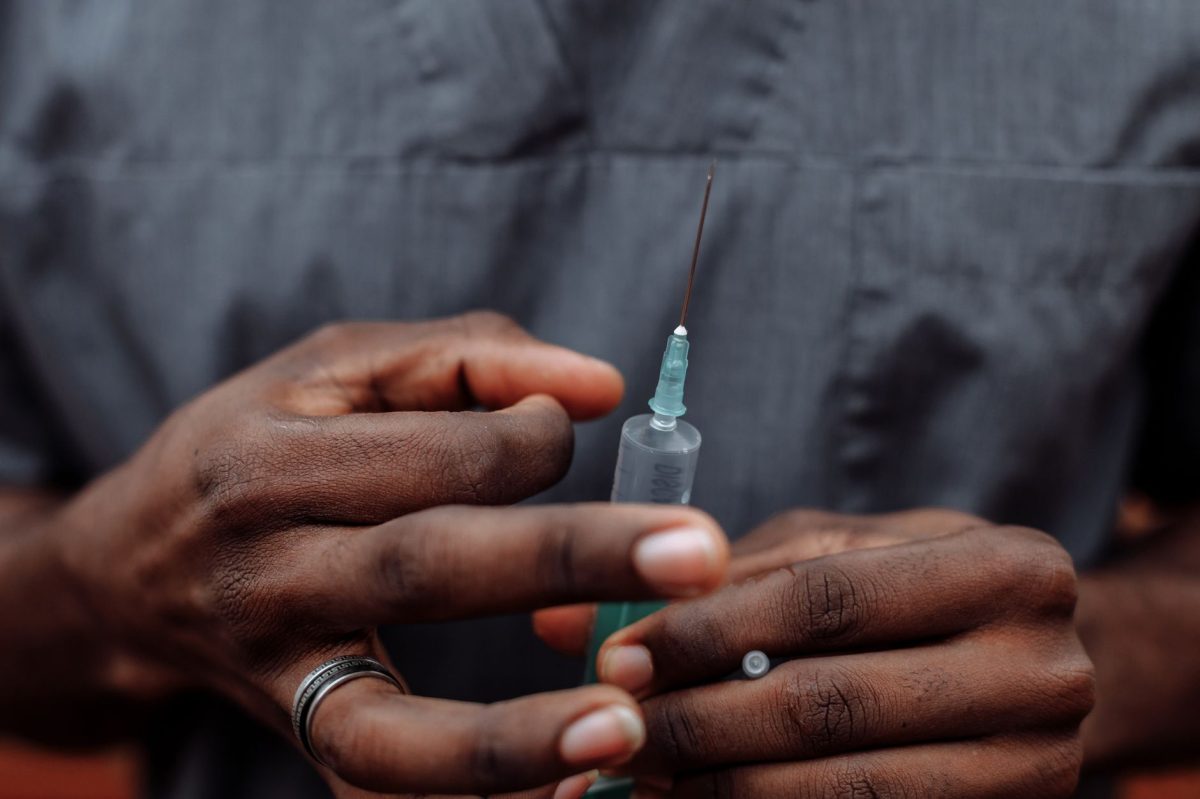
With the recent developments in Kampala, it's essential to understand how to prevent HIV infections. The good news is that there are effective ways to protect yourself and your loved ones. In this guide, we'll walk you through the best practices to prevent HIV infections in 2026.
Step 1: Use Condoms Correctly
Using condoms is one of the best ways to prevent HIV infections. Make sure to use condoms that are latex or polyurethane-based, as they provide the best protection against HIV. Learn how to put on a condom correctly to ensure it stays in place. You can watch a video tutorial on the Planned Parenthood website to learn the proper technique.
Step 2: Get Tested Regularly
Getting tested regularly is crucial to understand your HIV status and take necessary precautions. You can get tested at a local health clinic or through a mobile testing service like the ones offered by the AIDS Healthcare Foundation. Make sure to get tested at least once a year, and more frequently if you're engaged in high-risk activities.
Step 3: Use Pre-Exposure Prophylaxis (PrEP)
PrEP is a medicine that can prevent HIV infections if taken correctly. If you're at high risk of getting infected, talk to your doctor about starting PrEP. You can also use online resources like the PrEP Guide to learn more about how to use PrEP effectively.
Step 4: Use Protection During Anal Sex
If you engage in anal sex, use protection to prevent HIV infections. You can use condoms or dental dams to prevent the exchange of bodily fluids. Make sure to use lubricants that are HIV-compatible to prevent irritation and discomfort.
Step 5: Practice Safe Injecting
If you inject drugs, use sterile needles and equipment to prevent HIV infections. Make sure to clean your equipment thoroughly and dispose of them properly. You can also use harm reduction services like needle exchange programs to reduce your risk of getting infected.
Don't forget to talk to your partner about your HIV status and safe sex practices. Open communication is key to preventing HIV infections and maintaining a healthy relationship.
By following these 5 ways to prevent HIV infections, you'll be well on your way to protecting yourself and your loved ones. Remember to stay informed, get tested regularly, and practice safe sex to reduce your risk of getting infected. Next step: talk to your doctor about starting PrEP if you're at high risk.