Uganda HIV Injection Not a Vaccine, Experts Warn

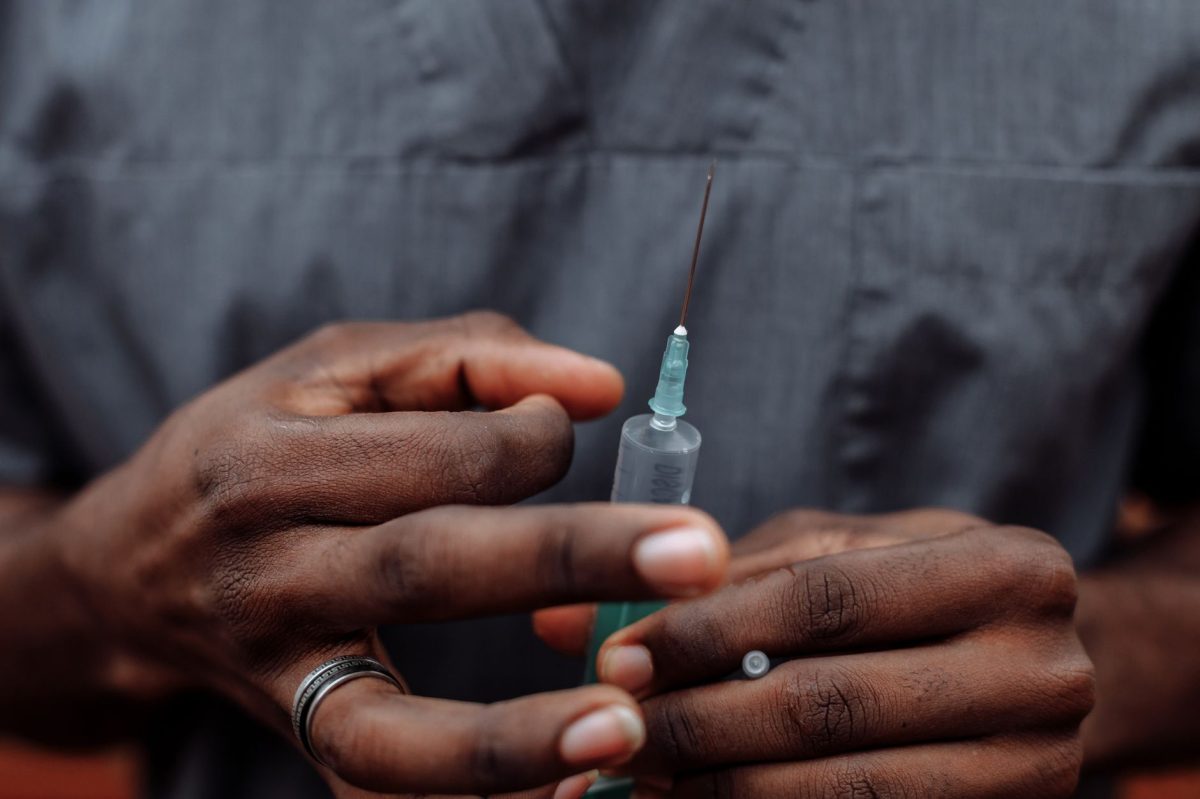
Uganda has been at the forefront of HIV prevention efforts, with the government launching a twice-yearly HIV preventing drug Lenacapavir in 2023. However, experts have now warned that the injection is not a vaccine, emphasizing the need for combination prevention options to effectively combat the virus.
Experts Warn Against Misconceptions Surrounding Lenacapavir
According to an article published in The Independent (Kampala), experts have cautioned that those who have received the first injection of Lenacapavir should consider using combination prevention options. This warning comes after new developments in Kampala, where the government has been distributing the drug to high-risk populations. Dr. Jane Nakibuuka, a leading expert on HIV prevention, emphasized the importance of not relying solely on Lenacapavir for protection. 'We have to be clear that Lenacapavir is not a vaccine,' she said. 'It's a prevention tool that should be used in conjunction with other methods to ensure maximum effectiveness.' Dr. Nakibuuka pointed out that the drug has shown promising results in clinical trials, but its effectiveness relies on regular administration. 'The key is to use Lenacapavir as part of a comprehensive prevention strategy that includes other methods such as condoms, pre-exposure prophylaxis (PrEP), and regular testing.' The expert also highlighted the need for increased awareness about the limitations of Lenacapavir, stating that the public should not rely solely on the drug for protection. 'We need to educate people about the benefits and risks of Lenacapavir, and how it fits into the broader context of HIV prevention.' Account to [The Independent (Kampala)] reveals that the government has been distributing Lenacapavir to over 10,000 high-risk individuals in Kampala, with plans to expand the program to other regions. However, experts warn that the injection's effectiveness will depend on consistent administration and combination with other prevention methods. The Ugandan government has allocated $10 million for the Lenacapavir program, with plans to expand to other countries in the region.
Combination Prevention Options: A Broader Pattern
The expert warning about Lenacapavir's limitations highlights a broader pattern in HIV prevention efforts. Combination prevention strategies have been shown to be the most effective approach in reducing the spread of the virus. This includes using a range of methods such as condoms, PrEP, and regular testing, in addition to prevention tools like Lenacapavir. 'The key is to use a combination of methods that work together to prevent HIV transmission,' said Dr. Nakibuuka. 'We can't rely on a single tool, whether it's a vaccine, a drug, or a behavior, to protect us from HIV.' This approach is not new, but it emphasizes the importance of understanding the complexities of HIV prevention. In Uganda, the use of combination prevention strategies has been shown to be effective in reducing HIV transmission rates among high-risk populations. For example, a study published in the Journal of Acquired Immune Deficiency Syndromes found that the use of PrEP, condoms, and regular testing reduced HIV transmission rates by 80% among men who have sex with men. In the US, combination prevention strategies have been shown to reduce HIV transmission rates by up to 90% among high-risk populations.


“We have to be clear that Lenacapavir is not a vaccine. It's a prevention tool that should be used in conjunction with other methods to ensure maximum effectiveness.”
Gaps and Uncertainty Surrounding Lenacapavir
Despite the expert warning, there are still many gaps and uncertainties surrounding Lenacapavir. For example, the long-term effects of the drug on the body are not yet fully understood. Additionally, the cost of the drug is prohibitively expensive for many individuals, making it inaccessible to those who need it most. 'We need to understand the long-term implications of using Lenacapavir,' said Dr. Nakibuuka. 'We also need to explore ways to make the drug more affordable for those who cannot access it.' Furthermore, there is a lack of data on the effectiveness of Lenacapavir in real-world settings. While clinical trials have shown promising results, the drug's effectiveness in the general population is still unknown. The Ugandan government has promised to conduct further studies on the effectiveness of Lenacapavir in real-world settings.
Key Takeaways
- The Ugandan government has launched a twice-yearly HIV preventing drug Lenacapavir in 2023.
- Lenacapavir is not a vaccine, but a prevention tool that should be used in conjunction with other methods.
- The government has allocated $10 million for the Lenacapavir program, with plans to expand to other countries in the region.
- Dr. Jane Nakibuuka emphasizes the importance of combination prevention strategies to effectively combat HIV transmission.
What to Watch in the Next 24-72 Hours
In the next 24-72 hours, several key developments will unfold. The Ugandan government will release a report on the effectiveness of the Lenacapavir program, which will provide insight into the number of individuals who have been protected from HIV transmission. Additionally, the World Health Organization (WHO) will convene an emergency meeting to discuss the implications of Lenacapavir's limitations. The WHO will also issue guidelines on the use of combination prevention strategies to combat HIV transmission. Dr. Jane Nakibuuka will be speaking at the WHO meeting to share her expertise on HIV prevention.
Despite being a significant breakthrough, Lenacapavir is not the first HIV prevention drug, but rather a more effective and longer-lasting alternative to existing options.
The expert warning about Lenacapavir's limitations serves as a reminder of the complexities of HIV prevention. By understanding the need for combination prevention strategies and being aware of the limitations of single tools, we can work towards a more effective approach to combating HIV transmission.