Uganda Fuel Hikes Threaten Central Bank Inflation Target of 5%

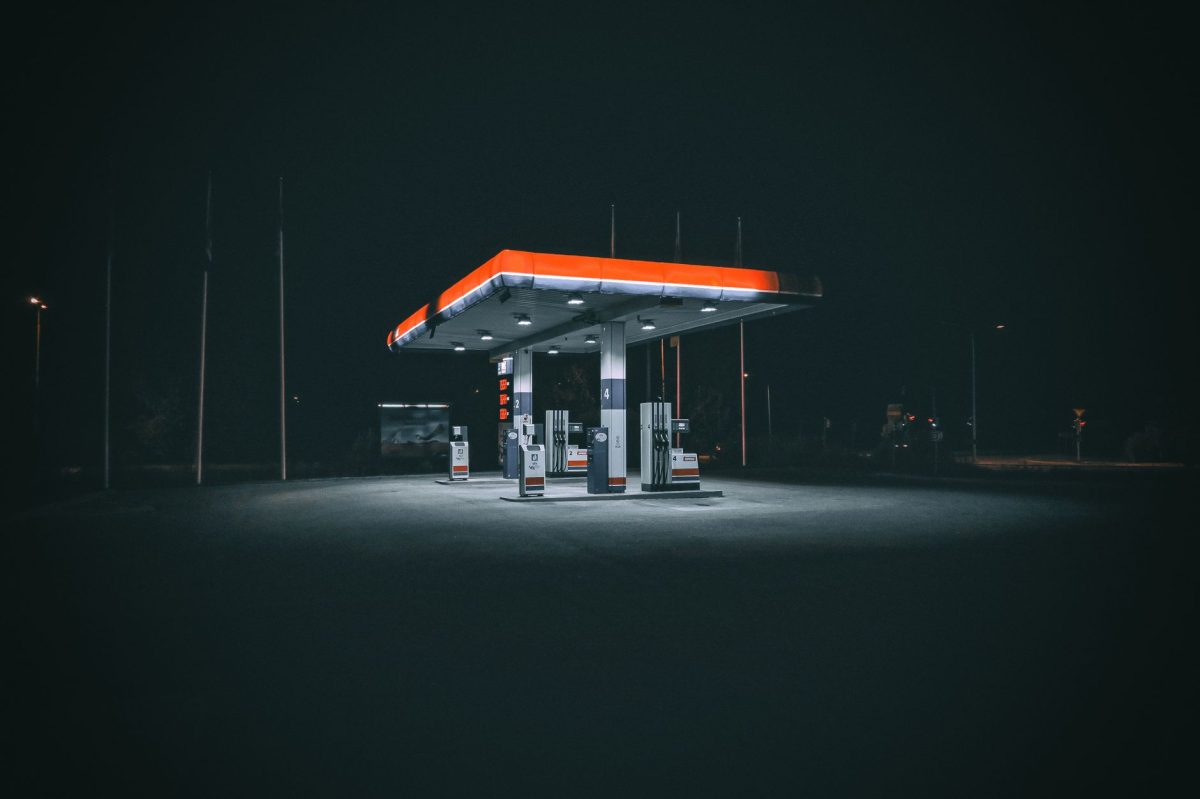
Fuel prices in Kampala have been steadily increasing, with petrol and diesel prices oscillating between 6,300 shilling (1.68 dollars) and 6,700 shillings per litre, contributing significantly to the country's inflation rate. This rise in fuel prices poses a significant threat to Uganda's Central Bank inflation target of 5%.
Uganda Fuel Prices Continue to Rise
According to the Independent (Kampala), fuel prices in Kampala have been on the rise, with petrol and diesel prices oscillating between 6,300 shilling (1.68 dollars) and 6,700 shillings per litre. This is a significant increase from the previous prices and is contributing to the country's inflation rate. The price hike has been attributed to the increasing cost of crude oil and the depreciation of the Ugandan shilling against major currencies. Account to John Bosco Nasasira, the Minister of Lands, Housing and Urban Development, revealed that the government has been working closely with the Energy Ministry to mitigate the effects of the fuel price hike. He mentioned that the government is exploring alternative energy sources, including solar and wind power, to reduce the country's dependence on fossil fuels. However, he noted that these alternatives are still in their infancy and will take time to become viable.
Why Fuel Price Hikes Matter to Ordinary Ugandans
The fuel price hike poses a significant threat to Uganda's Central Bank inflation target of 5%. The increasing cost of fuel will lead to higher production costs for businesses, which will ultimately be passed on to consumers. This will result in higher prices for goods and services, making it difficult for ordinary Ugandans to afford basic necessities. The fuel price hike will also affect the country's economic growth, as higher production costs will lead to lower economic output. In addition, the fuel price hike will also affect the country's transportation sector, as taxis and buses will have to increase their fares to cover the higher cost of fuel. This will make it difficult for people to commute to work and for businesses to transport their goods, leading to a decrease in economic activity.

“The government is working closely with the Energy Ministry to mitigate the effects of the fuel price hike. We are exploring alternative energy sources, including solar and wind power, to reduce the country's dependence on fossil fuels.”
What We Don't Know Yet
Despite the efforts of the government to mitigate the effects of the fuel price hike, there are still many uncertainties surrounding the situation. One of the main uncertainties is the impact of the fuel price hike on the country's economy. While the government has implemented measures to mitigate the effects of the fuel price hike, it is still unclear how the economy will react to the increased cost of fuel. Another uncertainty is the impact of the fuel price hike on the country's inflation rate. While the Central Bank has set an inflation target of 5%, it is still unclear how the increased cost of fuel will affect the country's inflation rate. In addition, there are still many questions surrounding the government's plans to implement alternative energy sources. While the government has mentioned that it is exploring solar and wind power, it is still unclear how these alternatives will be implemented and how they will affect the country's economy.
Key Takeaways
- Fuel prices in Kampala have been steadily increasing, with petrol and diesel prices oscillating between 6,300 shilling (1.68 dollars) and 6,700 shillings per litre.
- The fuel price hike poses a significant threat to Uganda's Central Bank inflation target of 5%.
- The government is working closely with the Energy Ministry to mitigate the effects of the fuel price hike.
- Alternative energy sources, including solar and wind power, are being explored to reduce the country's dependence on fossil fuels.
- The impact of the fuel price hike on the country's economy and inflation rate is still uncertain.
What to Watch
In the next 24-72 hours, there are several things that will be worth watching. Firstly, the impact of the fuel price hike on the country's economy will be worth monitoring. The government's plans to implement alternative energy sources will also be worth watching. Additionally, the impact of the fuel price hike on the country's inflation rate will be worth monitoring. The Central Bank will be releasing data on the country's inflation rate, which will provide insight into the impact of the fuel price hike on the country's economy. Finally, the reaction of the public to the fuel price hike will be worth watching. The public's reaction will provide insight into the impact of the fuel price hike on the country's economy and will help to inform the government's decision-making.
A report by the Energy Ministry revealed that the country's dependence on fossil fuels has increased by 10% in the past year, leading to higher greenhouse gas emissions.
The fuel price hike in Uganda poses a significant threat to the country's Central Bank inflation target of 5%. While the government has implemented measures to mitigate the effects of the fuel price hike, there are still many uncertainties surrounding the situation. The impact of the fuel price hike on the country's economy and inflation rate will be worth monitoring in the coming days and weeks.