Hidden: The Part of Ethiopia's Cotton-to-Clothing Value Chain That's Not Getting Enough Attention

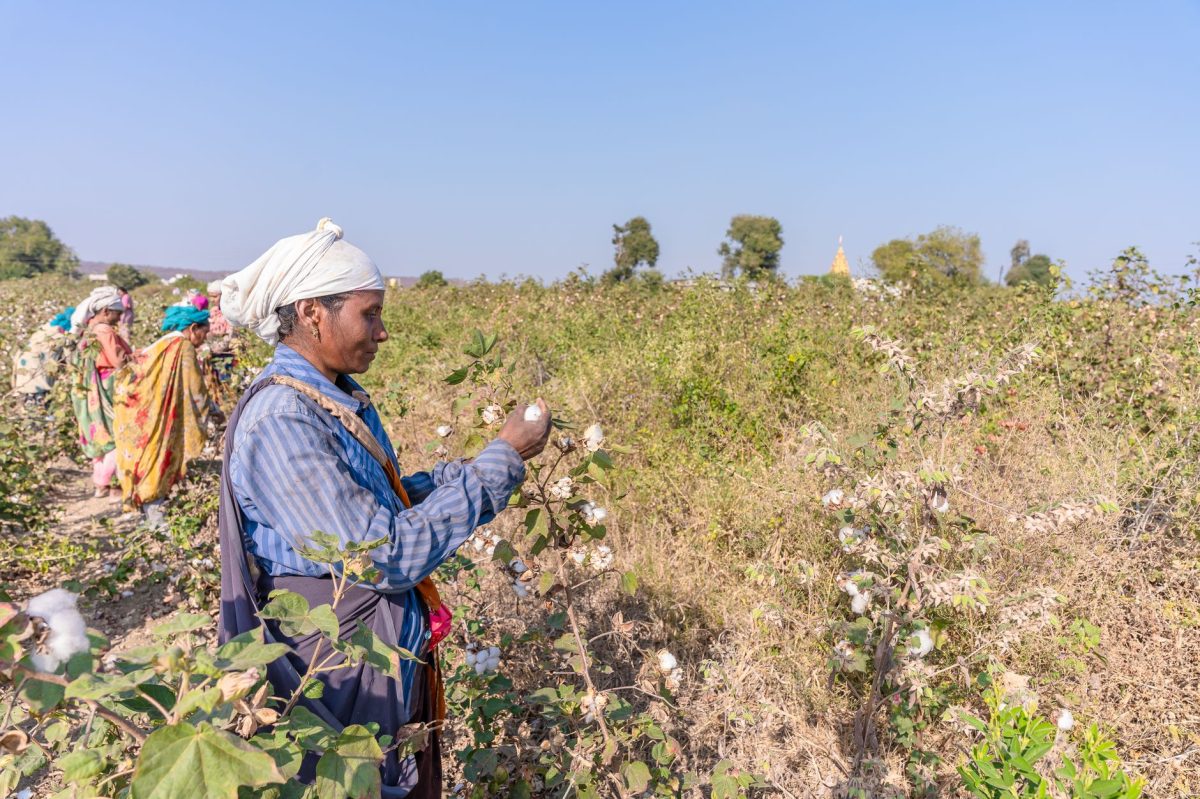
Ethiopia is building one of the continent's most ambitious cotton-to-clothing value chains, linking farmers, researchers, and manufacturers in a bid to capture more value from its natural resources. This ambitious project has significant implications for Africa's economic development and the lives of millions of people. The project's success will depend on several factors, including the ability of farmers to produce high-quality cotton and the development of a robust manufacturing sector.
What Happened: Ethiopia's Cotton-to-Clothing Value Chain Takes Shape
According to an account by the Bird Story Agency, Ethiopia's cotton-to-clothing value chain is being spearheaded by the Ethiopian Ministry of Agriculture and the Ethiopian Textile Industry Development Institute (ETIDI). The project aims to create a comprehensive value chain that connects farmers, researchers, and manufacturers in a bid to increase the country's cotton production and value addition. The project has already made significant progress, with the establishment of several cotton processing facilities and textile manufacturing units in the country. For example, the Amhara region has seen a significant increase in cotton production, with farmers in the region producing over 100,000 tons of cotton in 2022, a 20% increase from the previous year. This represents a major boost for the region's economy, with cotton being one of the main cash crops for many farmers.
Why It Matters: The Impact on Africa's Economy and People
The success of Ethiopia's cotton-to-clothing value chain has significant implications for Africa's economy and the lives of millions of people. If successful, the project could create thousands of jobs in the cotton and textile sectors, generating much-needed income for rural communities. Additionally, the project could increase the country's exports, helping to reduce its reliance on foreign aid and improve its economic stability. A report by the African Development Bank estimates that the project could increase Ethiopia's cotton exports by 50% by 2025, generating over $100 million in revenue. The project also has the potential to improve the lives of millions of people, particularly women, who are often the primary cotton farmers in Africa. By increasing their income and empowering them to take control of their livelihoods, the project could have a significant impact on poverty reduction and social development in the region.


“"The success of the cotton-to-clothing value chain will depend on the ability of farmers to produce high-quality cotton and the development of a robust manufacturing sector," said Dr. Tewodros Gebre-Hiwot, Director-General of ETIDI. "We are working closely with farmers, researchers, and manufacturers to ensure that the project meets the needs of all stakeholders," he added.”
What We Don't Know Yet: Challenges Ahead
Despite the progress made so far, there are several challenges that the project still needs to overcome. One of the main challenges is the lack of infrastructure in rural areas, which makes it difficult for farmers to access markets and sell their cotton. Additionally, the project faces competition from other countries in the region, such as Egypt and South Africa, which have well-established cotton and textile industries. According to a report by the World Bank, Ethiopia's cotton and textile sectors face significant challenges, including a lack of investment, outdated technology, and inadequate skills. The project also needs to address the issue of cotton quality, as the country's cotton is often of poor quality, making it difficult to compete in international markets. Finally, the project needs to ensure that it benefits all stakeholders, including small-scale farmers, who are often the most vulnerable to market fluctuations.
What to Watch: Key Players and Outcomes
The success of Ethiopia's cotton-to-clothing value chain will depend on several key players, including the Ethiopian Ministry of Agriculture, ETIDI, and the private sector. The project will also require significant investment from both the public and private sectors to ensure its success. According to a report by the African Development Bank, the project will require over $200 million in investment by 2025 to reach its targets. The project's outcomes will be closely monitored by the African Development Bank, the World Bank, and other international organizations, which will provide critical support and guidance to ensure the project's success. In the next 24-72 hours, we will be watching for updates on the project's progress, including the establishment of new cotton processing facilities and textile manufacturing units, as well as the development of a robust manufacturing sector.
Cotton is a crop that requires a significant amount of water to grow, but Ethiopia's cotton farmers are using innovative techniques to reduce water usage and increase crop yields.
In conclusion, Ethiopia's cotton-to-clothing value chain has the potential to transform the lives of millions of people in Africa. However, its success will depend on several factors, including the ability of farmers to produce high-quality cotton and the development of a robust manufacturing sector. With significant investment and support from both the public and private sectors, the project could become a model for Africa's economic development and a testament to the continent's potential.