Zimbabwe: Hybrid Seed Leading Revival of Cotton Farming in Zimbabwe

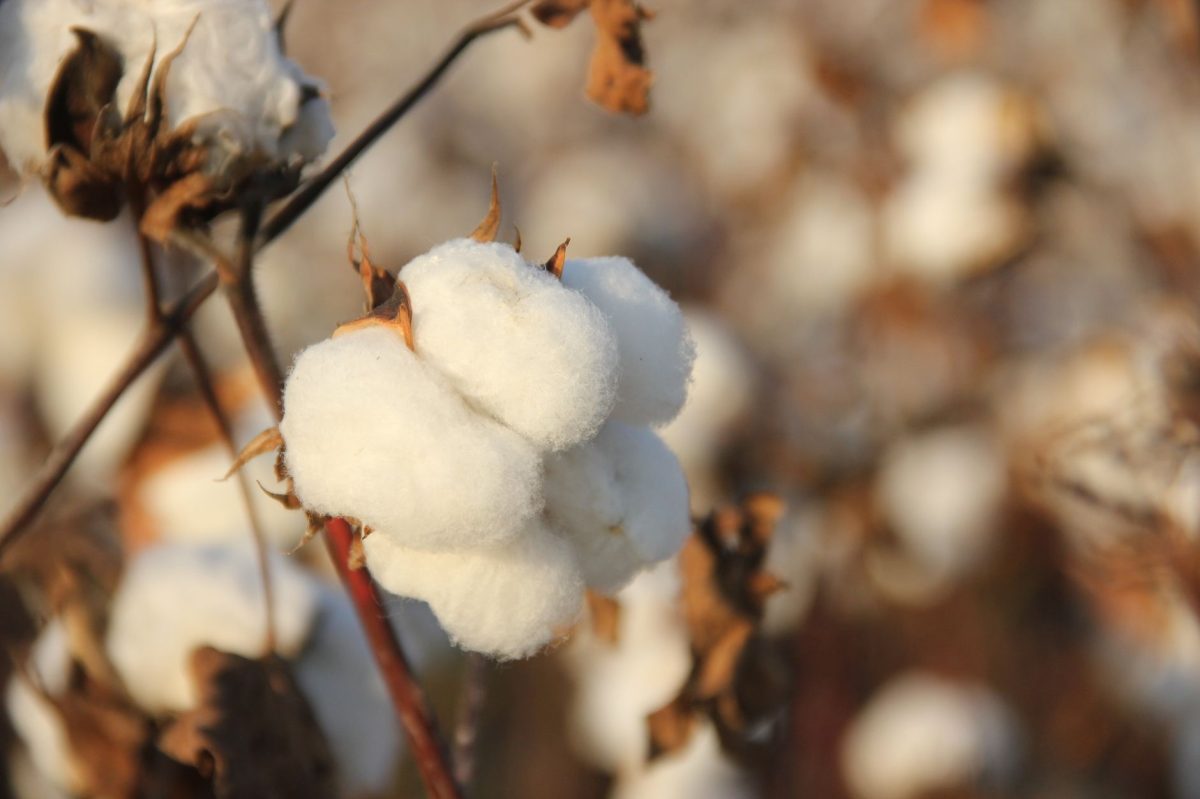
Hybrid cotton seeds developed to withstand climate shocks and pests are being adopted by Zimbabwean farmers, who are seeing an increase in yields. This development is significant for the country, which has struggled with cotton production in recent years. The new seeds are expected to bring in more revenue for farmers and boost the economy.
Hybrid Cotton Seeds Bring Hope to Zimbabwean Farmers
According to the Bird Story Agency, a new generation of hybrid cotton seeds is being adopted by Zimbabwean farmers. The seeds, developed to deliver higher yields and withstand climate shocks and pests, are being seen as a game-changer for the country's cotton industry. Harold Nkala, a farmer from Gokwe, said that the new seeds have been a revelation. 'I have seen a significant increase in yields since I started using the hybrid seeds,' he said. The seeds are being distributed by the Zimbabwean government, which has set aside funds to support the adoption of the new technology. Account to [Bird Story Agency] shows that over 500 farmers have already started using the hybrid seeds, with many more expected to follow suit.
Why the Revival of Cotton Farming Matters
The revival of cotton farming in Zimbabwe is significant because it has the potential to bring in much-needed revenue for the country. Cotton is one of the country's main cash crops, and an increase in production could help to boost the economy. Additionally, the adoption of hybrid seeds is expected to improve the livelihoods of farmers, who have struggled with low yields and poor incomes in recent years. The Zimbabwean government has set a target of increasing cotton production by 20% in the next year, which is a challenging but achievable goal. The success of the hybrid seeds will depend on various factors, including climate conditions and the ability of farmers to adopt new technology.


“The hybrid seeds have been a revelation for me. I have seen a significant increase in yields since I started using them,”
What We Don't Know Yet
While the adoption of hybrid cotton seeds is a positive development, there are still many questions that need to be answered. One of the main concerns is the long-term sustainability of the new technology. Will farmers be able to continue to access the hybrid seeds, or will they become too expensive to produce? Additionally, there are concerns about the potential impact of the new seeds on the environment. Are the hybrid seeds genetically modified, and what are the potential risks associated with their use? More research is needed to answer these questions and ensure that the adoption of hybrid seeds is a success.
Key Takeaways
- Cotton production in Zimbabwe is expected to increase by 20% in the next year.
- Hybrid cotton seeds have been adopted by over 500 farmers in Zimbabwe.
- The new seeds are expected to bring in more revenue for farmers and boost the economy.
- The adoption of hybrid seeds is a positive development for Zimbabwean farmers.
- The long-term sustainability of the new technology is still unknown.
What to Watch
In the next 24-72 hours, we will be watching to see how the adoption of hybrid cotton seeds continues to unfold. The Zimbabwean government has set a target of increasing cotton production by 20% in the next year, which will be a challenging but achievable goal. We will also be monitoring the progress of farmers who have started using the hybrid seeds, and looking for any signs of success or challenges. Key people to watch include Harold Nkala, a farmer from Gokwe who has seen a significant increase in yields since using the hybrid seeds, and the Zimbabwean Minister of Agriculture, who has been instrumental in promoting the adoption of the new technology.
Cotton is a drought-tolerant crop, but it requires a significant amount of water to produce, with over 1,000 gallons of water needed to produce just one pound of cotton.
The revival of cotton farming in Zimbabwe is a significant development that has the potential to bring in much-needed revenue for the country. While there are still many questions that need to be answered, the adoption of hybrid cotton seeds is a positive step towards improving the livelihoods of farmers and boosting the economy.