How To Prepare For Natural Disasters Like Floods In 7 Steps
Stay Safe and Resilient: Essential Guide to Disasters in 2026
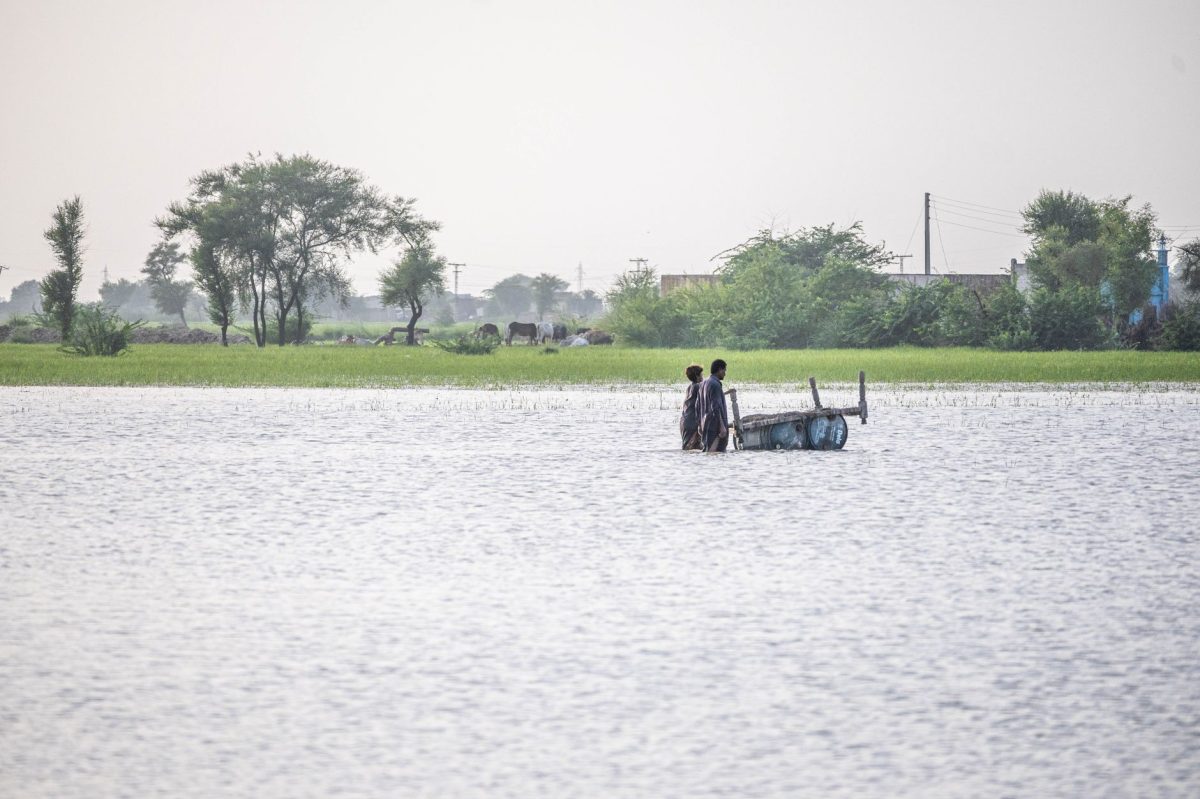
Heavy rainfall and flooding continue to wreak havoc on communities worldwide. As a responsible individual, it's essential to know how to prepare for natural disasters like floods. In this guide, you'll learn the 7 critical steps to stay safe and resilient in the face of disaster.
Step 1: **Assess Your Risk**
Start by researching the flood zones in your area and understanding the likelihood of a flood occurring. Visit websites like FloodSmart.gov or the National Flood Hazard Layer (NFHL) to get a better understanding of your location's flood risk. Additionally, consult with local authorities or emergency management officials to gather more information about flood preparedness in your area.
Step 2: **Create a Family Emergency Plan**
Develop a family emergency plan that includes a communication strategy, evacuation routes, and a safe meeting point. Make sure all family members understand the plan and have a copy of it. You can use tools like the American Red Cross's Emergency App or the Federal Emergency Management Agency's (FEMA) Plan Ahead for Disaster Safety to create a personalized emergency plan.
Step 3: **Build a Disaster Supply Kit**
Assemble a disaster supply kit that includes essential items like non-perishable food, water, first aid supplies, and a battery-powered radio. Aim for a minimum of 3 days' worth of supplies and consider the needs of pets, infants, and people with disabilities. You can use a kit builder like the American Red Cross's Disaster Supply Kit to get started.
Step 4: **Protect Your Home**
Take steps to protect your home from flood damage by installing a sump pump, raising electrical outlets and switches, and sealing walls and floors with flood-resistant materials. Consider consulting with a contractor or local expert to assess your home's flood risk and provide recommendations for mitigation.
Step 5: **Stay Informed**
Stay up-to-date with weather forecasts and flood warnings by using mobile apps like the National Weather Service's (NWS) Weather App or the Flood Watch App. Consider investing in a weather radio or a portable charger to stay connected during a power outage.
Step 6: **Have a Financial Plan**
Develop a financial plan that includes emergency funds, insurance, and a budget for disaster-related expenses. Consider working with a financial advisor or using tools like the Federal Emergency Management Agency's (FEMA) Disaster Financial Assistance to create a personalized plan.
Step 7: **Practice and Review**
Practice your emergency plan with family members and review it regularly to ensure everyone is up-to-date. Use drills and exercises to test your plan and identify areas for improvement. Consider taking a disaster preparedness course or workshop to learn more about flood safety and emergency management.
Don't wait until it's too late – review and update your emergency plan at least once a year, and stay informed about flood risks in your area to ensure you're prepared for any disaster.
By following these 7 steps, you'll be better equipped to face natural disasters like floods with confidence and resilience. Remember to stay informed, practice your emergency plan, and review it regularly to ensure you're prepared for any disaster. Take the next step today and start preparing for the unexpected.