Why Heavy Rains and Floods Are Worsening the Suffering of Displaced Persons in Blue Nile State — And What It Really Means

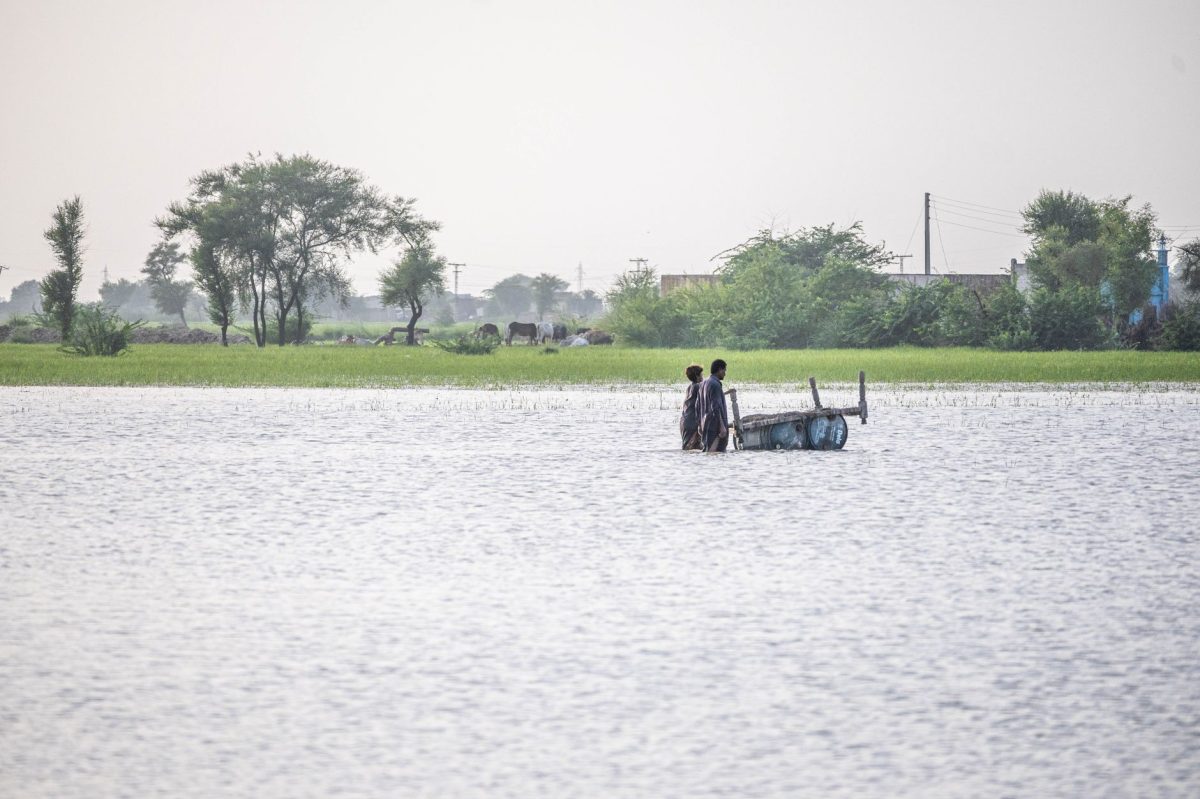
Heavy rainfall and flooding have been affecting Damazin city and several areas across Blue Nile State in Sudan, causing significant damage to homes, infrastructure, and agricultural land. This has worsened the humanitarian situation for displaced persons, who are struggling to access basic necessities like food, shelter, and healthcare.
Heavy Rains and Floods Devastate Blue Nile State
According to accounts from the Darfur Network for Human Rights, heavy rainfall and flooding have been affecting Damazin city and several areas across Blue Nile State in Sudan since the beginning of the month. The heavy rainfall has caused significant damage to homes, infrastructure, and agricultural land, forcing many displaced persons to flee their homes in search of safer areas. Over 1,000 homes have been destroyed in the city of Damazin alone, leaving thousands of people without shelter. The flooding has also contaminated water sources, making it difficult for displaced persons to access clean drinking water. Account to the Darfur Network for Human Rights... The network has reported that the flooding has also destroyed crops and livestock, exacerbating the food insecurity crisis in the region. In an interview with the Darfur Network for Human Rights, a displaced person from Damazin city described the situation: "We are living in a state of emergency. Our homes are destroyed, our crops are ruined, and we have no access to clean water or food. We are struggling to survive."
The Humanitarian Crisis in Blue Nile State: A Broader Pattern
The humanitarian crisis in Blue Nile State is part of a broader pattern of displacement and humanitarian need in Sudan. The conflict in Darfur, which began in 2003, has led to the displacement of millions of people, many of whom are living in precarious conditions. The flooding and heavy rainfall in Blue Nile State have exacerbated the humanitarian situation, making it even more difficult for displaced persons to access basic necessities like food, shelter, and healthcare. The flooding has also highlighted the need for more effective disaster response mechanisms in Sudan, particularly in areas with high levels of displacement and vulnerability. In the long term, the crisis in Blue Nile State highlights the need for more sustainable solutions to displacement and humanitarian need, including addressing the root causes of conflict and promoting economic development in vulnerable areas.

“We are living in a state of emergency. Our homes are destroyed, our crops are ruined, and we have no access to clean water or food. We are struggling to survive." — Displaced person from Damazin city, in an interview with the Darfur Network for Human Rights”
What We Don't Know Yet
While the humanitarian situation in Blue Nile State is dire, there are still many questions that remain unanswered. One key issue is the impact of the flooding on the food security situation in the region. The Darfur Network for Human Rights has reported that the flooding has destroyed crops and livestock, but it is unclear how this will affect food availability and prices in the long term. Another key issue is the response of the Sudanese government to the crisis. While the government has promised to provide assistance to displaced persons, it is unclear how effective this response will be in addressing the scale of the humanitarian need. The role of international donors and aid agencies in responding to the crisis is also unclear. While some aid agencies have pledged support to the Sudanese government, it is unclear how much aid will actually be delivered to affected areas.
What to Watch
In the next 24-72 hours, several key developments will be worth watching in Blue Nile State. One key issue is the provision of emergency shelter and food aid to displaced persons. The Sudanese government has promised to provide assistance, but it is unclear how effective this response will be in addressing the scale of the humanitarian need. Another key issue is the impact of the flooding on the food security situation in the region. The Darfur Network for Human Rights has reported that the flooding has destroyed crops and livestock, but it is unclear how this will affect food availability and prices in the long term. The role of international donors and aid agencies in responding to the crisis is also worth watching. While some aid agencies have pledged support to the Sudanese government, it is unclear how much aid will actually be delivered to affected areas.
Despite the devastating impact of the flooding, some displaced persons in Blue Nile State have reported that the floods have also brought some unexpected benefits, including an increase in the availability of fish and other aquatic resources, which has helped to supplement their diets.
The humanitarian crisis in Blue Nile State is a tragic reminder of the ongoing struggles faced by displaced persons in Sudan. While the situation is dire, it is heartening to see that aid agencies and international donors are responding to the crisis. In the long term, the crisis highlights the need for more sustainable solutions to displacement and humanitarian need, including addressing the root causes of conflict and promoting economic development in vulnerable areas.