How To Eliminate Hepatitis B in Africa: A Beginner's Guide in 2026
Discover the Best Ways to Prevent and Treat Hepatitis B in Africa with these Simple and Effective Steps
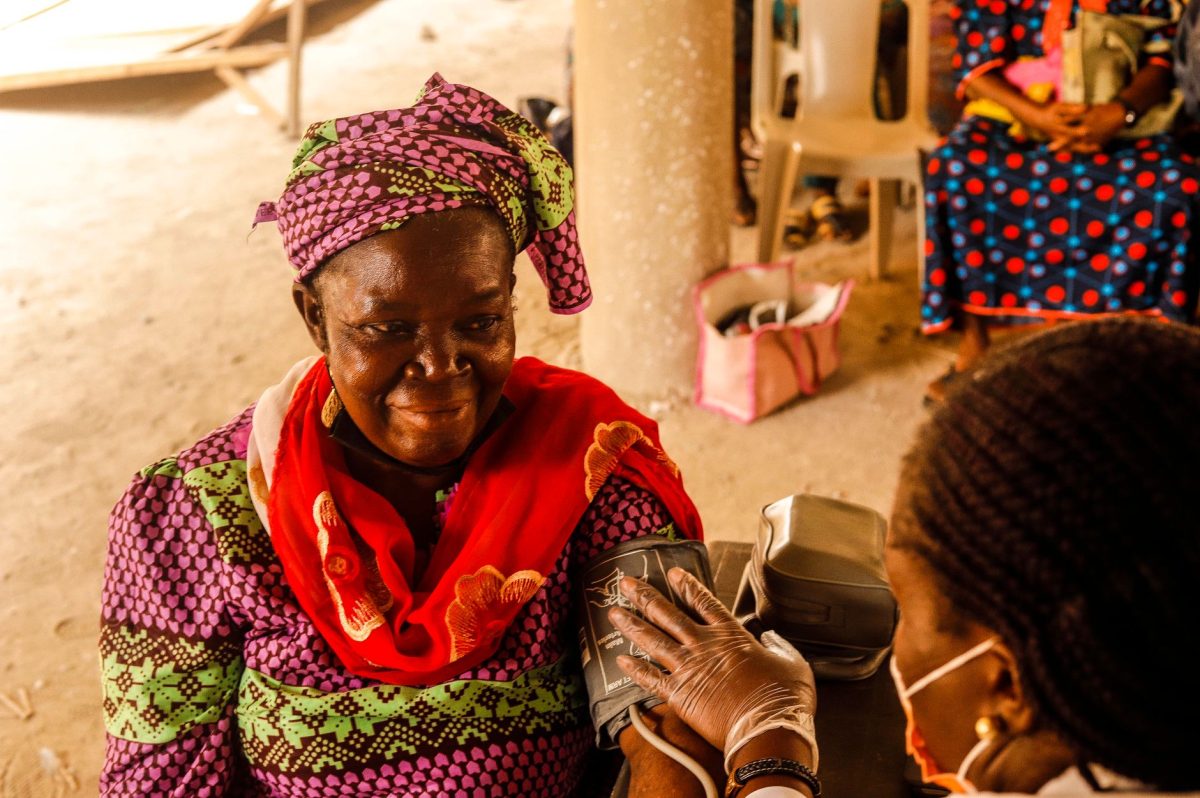
Hepatitis B is a significant health concern in Africa, but with the right approach, it can be eliminated. In this guide, we will walk you through the best ways to prevent and treat hepatitis B in Africa. By the end of this article, you will learn how to protect yourself and your loved ones from this disease.
Step 1: Understand the Risks and Symptoms of Hepatitis B
Identify the risks and symptoms of hepatitis B, which include fever, fatigue, loss of appetite, and yellowing of the skin and eyes. Hepatitis B can be spread through bodily fluids, such as blood, semen, and vaginal fluids. Use the World Health Organization's (WHO) guidelines to understand the severity of the disease and the importance of taking preventive measures. You can find more information on the WHO website or consult a healthcare professional for personalized advice.
Step 2: Get Tested for Hepatitis B
Get tested for hepatitis B by visiting a local clinic or hospital. In Rwanda, the government has implemented a decentralized hepatitis care and screening expansion program, which provides free testing and treatment for those in need. Use online resources such as the Africa CDC website or the Rwandan Ministry of Health website to find testing centers and schedules near you.
Step 3: Practice Safe Sex and Hygiene
Practice safe sex by using condoms and getting vaccinated against hepatitis B. Wash your hands regularly, especially after using the bathroom and before handling food. Use soap and water for at least 20 seconds to ensure proper hygiene. By taking these simple steps, you can significantly reduce your risk of contracting hepatitis B.
Step 4: Use Hepatitis B Treatment Options
Use antiviral medications or immunoglobulin to treat hepatitis B. In some cases, a liver transplant may be necessary. Consult a healthcare professional to determine the best course of treatment for your specific condition. Keep in mind that treatment can take several months to a year or more, so it's essential to be patient and follow your doctor's instructions.
Step 5: Advocate for Hepatitis B Elimination in Africa
Advocate for hepatitis B elimination in Africa by spreading awareness and supporting local health initiatives. Use social media platforms to share information and resources with your network. Contact local organizations or governments to express your support for hepatitis B elimination efforts and offer your skills and expertise to help make a difference.
Don't forget to get vaccinated against hepatitis B, as this can significantly reduce your risk of contracting the disease. The hepatitis B vaccine is available at most local pharmacies and healthcare centers, and it's usually covered by insurance or offered for free in some countries.
By following these simple steps, you can significantly reduce your risk of contracting hepatitis B and contribute to the elimination of this disease in Africa. Remember to stay informed, practice safe hygiene, and advocate for hepatitis B elimination in your community. Take control of your health and make a positive impact on the lives of those around you.