How To Prevent Bank Scams in 2026: 7 Essential Steps
Protect Your Finances from Online Banking Scammers with These Proven Strategies
Are you aware of the increasing number of bank scams in 2026? These malicious attempts can result in significant financial losses and damage to your credit score. In this guide, we'll walk you through 7 essential steps to prevent bank scams and keep your finances safe online.
Step 1: **Verify Bank Notifications**
To prevent phishing scams, verify all notifications from your bank by contacting them directly. Be cautious of emails, phone calls, or texts that ask for sensitive information like passwords or account numbers. Use two-factor authentication (2FA) to add an extra layer of security. For example, you can enable 2FA on your bank's mobile app, such as FirstBank's Mobile Banking app, or on popular banking platforms like Revolut.
Step 2: **Monitor Your Account Activity**
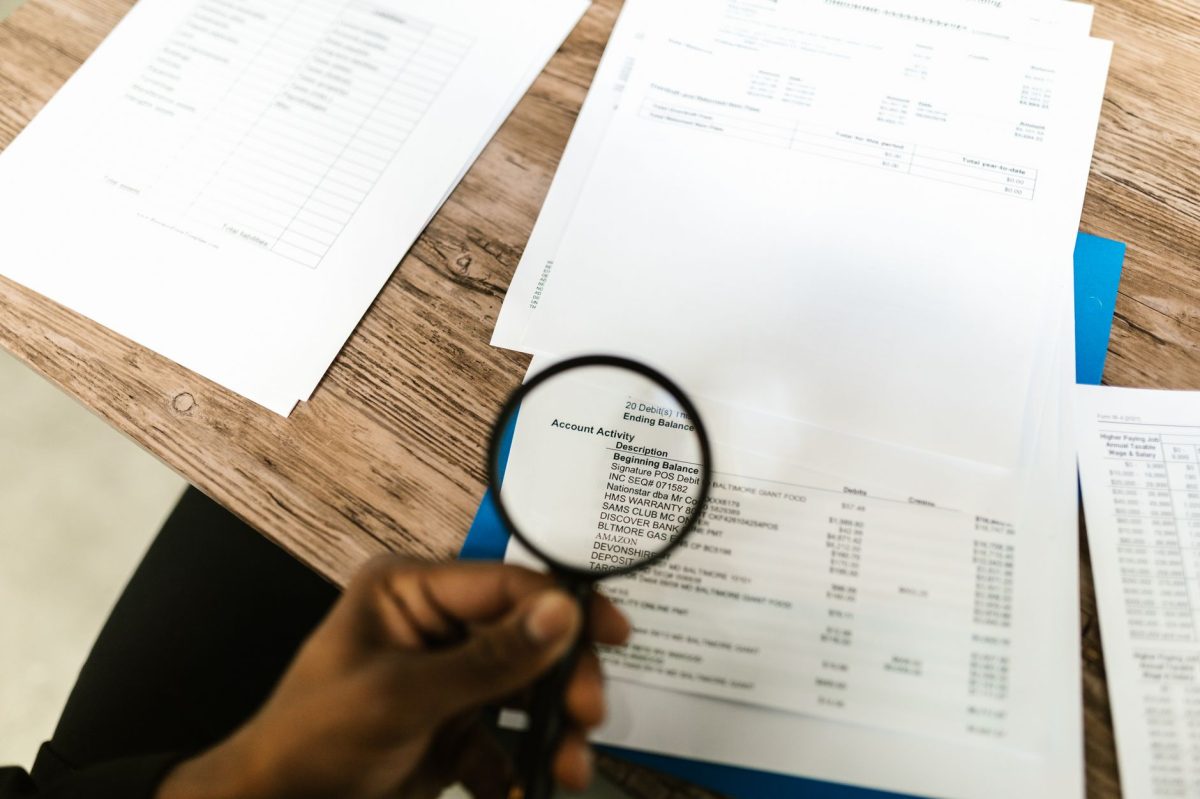
Regularly check your bank statements and credit reports to detect any suspicious activity. Set up account alerts to notify you of large transactions or unusual account behavior. You can use tools like Mint or Personal Capital to track your expenses and stay on top of your finances.
Step 3: **Use Strong Passwords**
Create unique and complex passwords for your online banking accounts. Avoid using easily guessable information like your name, birthdate, or common words. Use a password manager like LastPass or 1Password to securely store your login credentials.
Step 4: **Be Wary of Phishing Scams**
Beware of emails, messages, or calls that ask you to provide sensitive information or click on suspicious links. Legitimate banks will never ask you to reveal your account details or login credentials via email or phone. Report any suspicious activity to your bank's security department.
Step 5: **Use Encryption and VPNs**
Use a reputable antivirus software and Virtual Private Network (VPN) to encrypt your online transactions. This will help protect your data from hackers and scammers. Popular VPN options include ExpressVPN and NordVPN.
Step 6: **Keep Your Devices Up-to-Date**
Ensure your operating system, browser, and antivirus software are up-to-date with the latest security patches. This will help prevent malware and other security threats from compromising your online banking activities. Set your devices to automatically update to ensure you stay protected.
Step 7: **Report Suspicious Activity**
If you suspect a scam or unusual activity on your account, report it to your bank's security department immediately. Provide detailed information about the incident, including any suspicious transactions or communication. Your bank will investigate and take necessary actions to prevent further losses.
Regularly review your bank's security policies and terms of service to ensure you understand their procedures for handling suspicious activity and preventing scams.
By following these 7 essential steps, you'll be well-equipped to prevent bank scams and protect your finances online. Remember to stay vigilant, report suspicious activity, and take advantage of your bank's security features to keep your money safe. Next, educate yourself on the latest online banking security best practices to stay ahead of scammers.