How To Protect Heritage Sites From Climate Change in 2026
A practical guide for communities to safeguard cultural treasures against extreme weather effects
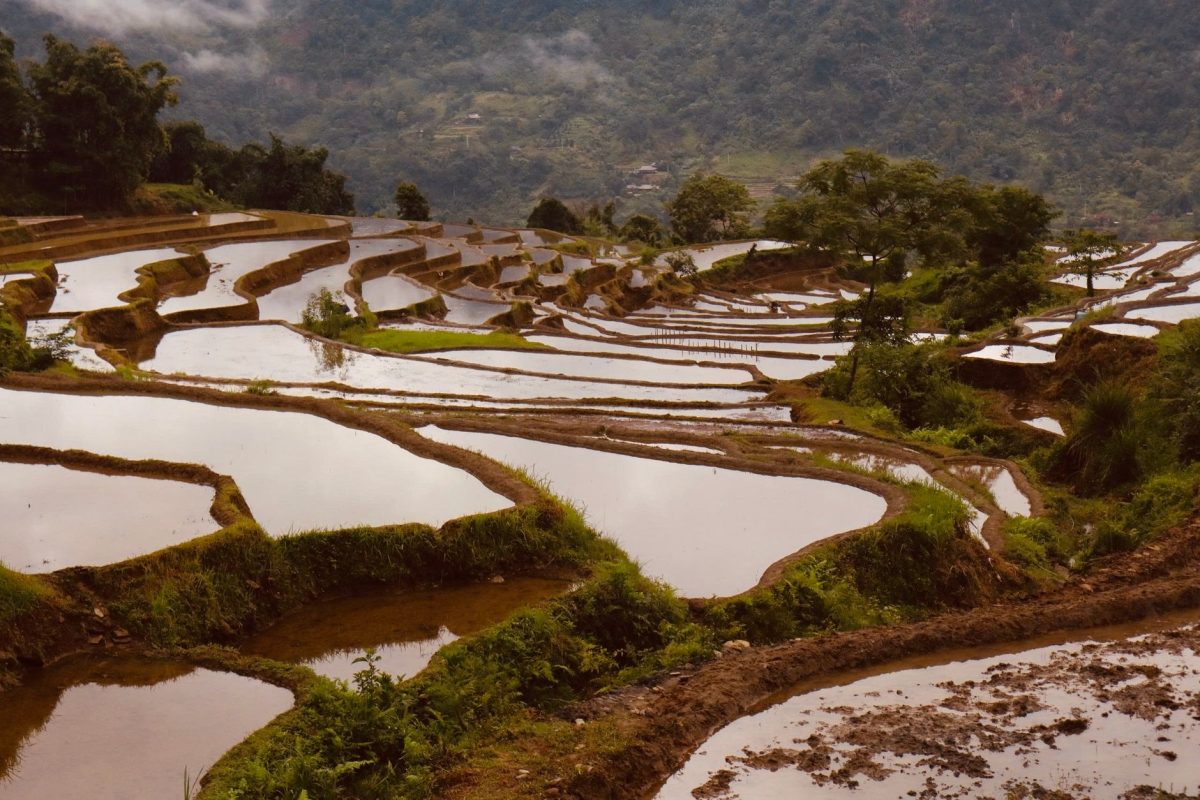
Climate change poses a significant threat to the world's cultural heritage, including UNESCO-recognized sites like the Philippines' Rice Terraces. As extreme weather events become more frequent and intense, it's essential for communities to take proactive measures to protect these sites. In this guide, you'll learn how to develop a comprehensive plan to safeguard your heritage site from the effects of climate change, ensuring its preservation for future generations.
Step 1: Assess Your Heritage Site's Vulnerability to Climate Change
Use the Intergovernmental Panel on Climate Change (IPCC) guidelines to assess your site's vulnerability to climate change. Conduct a thorough risk assessment to identify potential climate-related hazards, such as flooding, landslides, or drought. Review historical climate data and consult with local experts to inform your assessment. Allocate a budget for this step and dedicate 2-3 days for research and data collection.
Step 2: Engage Your Community in Climate-Resilient Conservation
Foster collaboration between local stakeholders, including community members, cultural institutions, and government agencies, to develop a shared understanding of the site's climate-related risks. Establish a community-based conservation plan that prioritizes climate-resilient practices, such as sustainable agriculture, water harvesting, and eco-friendly tourism. Allocate 2-3 days for community engagement and planning meetings.
Step 3: Implement Climate-Resilient Infrastructure and Ecosystem-Based Adaptation Measures
Design and implement climate-resilient infrastructure, such as sea walls, levees, or green roofs, to protect your heritage site from climate-related hazards. Explore ecosystem-based adaptation measures, such as reforestation or wetland restoration, to enhance biodiversity and ecosystem services. Allocate 2-4 weeks for infrastructure design and implementation, depending on the scope of the project.
Step 4: Develop a Climate Change Adaptation Plan and Budget
Create a comprehensive climate change adaptation plan that outlines strategies for mitigating and adapting to climate-related risks. Establish a budget for the plan's implementation, including funds for infrastructure development, staff training, and community engagement. Allocate 3-5 days for plan development and budgeting.
Step 5: Monitor and Evaluate Your Climate-Resilient Heritage Site Management Plan
Establish a monitoring and evaluation framework to track the effectiveness of your climate-resilient heritage site management plan. Collect data on climate-related hazards, conservation efforts, and community engagement. Use this data to refine your plan and adapt to changing climate conditions. Allocate 2-3 days for monitoring and evaluation, and dedicate ongoing time for data collection and analysis.
Consider partnering with international organizations, such as UNESCO or the International Union for Conservation of Nature (IUCN), to access expertise, funding, and technical assistance for your climate-resilient heritage site management plan.
By following these steps, you'll be well on your way to developing a comprehensive plan to safeguard your heritage site from the effects of climate change. Remember to stay vigilant and adapt to changing climate conditions to ensure the long-term preservation of your cultural treasure.