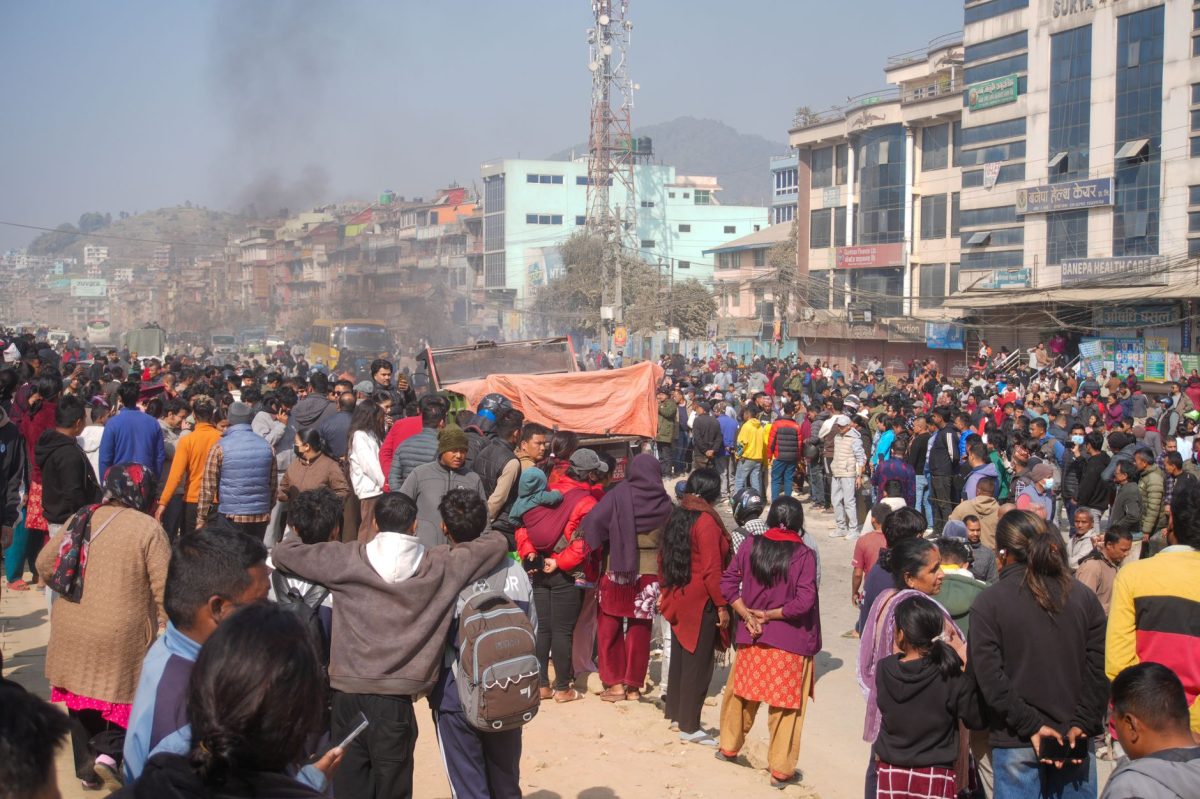
How to Stay Safe During a Protest: 7 Steps to Protect Yourself
Protect yourself and your community with these essential tips on how to stay safe during a protest
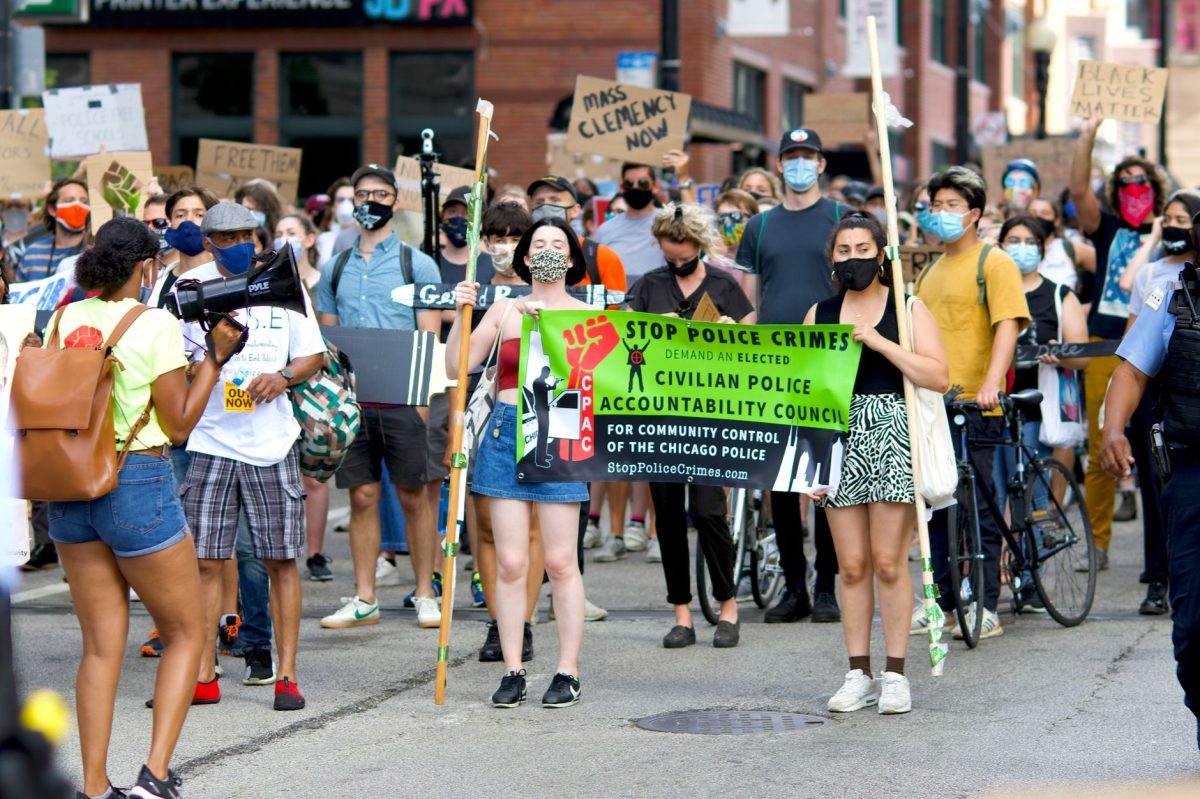
Protests can be a powerful way to express your opinions and bring about change, but they can also be unpredictable and potentially violent. As protests erupt across the country, it's essential to know how to stay safe during a protest. In this guide, we'll walk you through 7 steps to protect yourself and your community.
Step 1: **Research** the Protest
Before attending a protest, research the event and the location to understand the potential risks and safety concerns. Check the protest's social media pages, website, or local news outlets for information on the event's size, schedule, and expected attendees. You can also use online resources like the National Lawyers Guild's Protest Safety Guide or the ACLU's Protest Safety Tips to get informed.
Step 2: **Plan Your Route**
Plan your route to the protest carefully, choosing a safe and direct route that avoids potential conflict areas. Consider using a ride-sharing service or public transportation to avoid driving in crowded areas. If you're driving, make sure you have a full tank of gas, a first-aid kit, and a backup plan in case you get stuck.
Step 3: **Dress for Success**
Dress in clothing that allows for ease of movement and visibility, such as a bright jacket or hat. Avoid wearing anything that could be mistaken for a uniform or a symbol of a particular group. Wear sturdy shoes and consider bringing a backpack or bag with essentials like water, snacks, and a phone charger.
Step 4: **Stay Informed**
Stay informed about the protest's progress and any safety concerns through social media, local news, or a personal emergency alert system. Consider downloading apps like the Protest Alert app or the Safety App to receive real-time updates and alerts. Bring a portable charger for your phone and keep it charged throughout the event.
Step 5: **Know Your Rights**
Know your rights and the laws surrounding protests in your area. Familiarize yourself with local ordinances and understand what is and isn't allowed during a protest. Bring a copy of the First Amendment and any relevant laws or regulations to refer to if needed.
Step 6: **Stay with a Group**
Stay with a group of friends or like-minded individuals to increase your safety and visibility. Make sure everyone knows the plan and has a way to communicate in case of an emergency. Consider designating a meeting spot in case you get separated.
Step 7: **Have an Escape Plan**
Have an escape plan in case the situation escalates. Identify a safe exit route and a meeting spot for your group. Consider having a backup plan, such as a nearby hotel or a friend's house, where you can go if needed.
Consider bringing a small first-aid kit with essentials like bandages, antiseptic wipes, and pain relievers to treat minor injuries. You can also bring a small backpack with snacks, water, and a phone charger to keep you energized throughout the event.
By following these 7 steps, you can stay safe during a protest and protect yourself and your community. Remember to stay informed, know your rights, and have an escape plan in case of an emergency. Stay safe and keep protesting!