How To Protect Yourself From Escalating Global Conflict in 10 Steps
Stay safe and informed with our comprehensive guide to navigating global tensions and staying out of harm's way
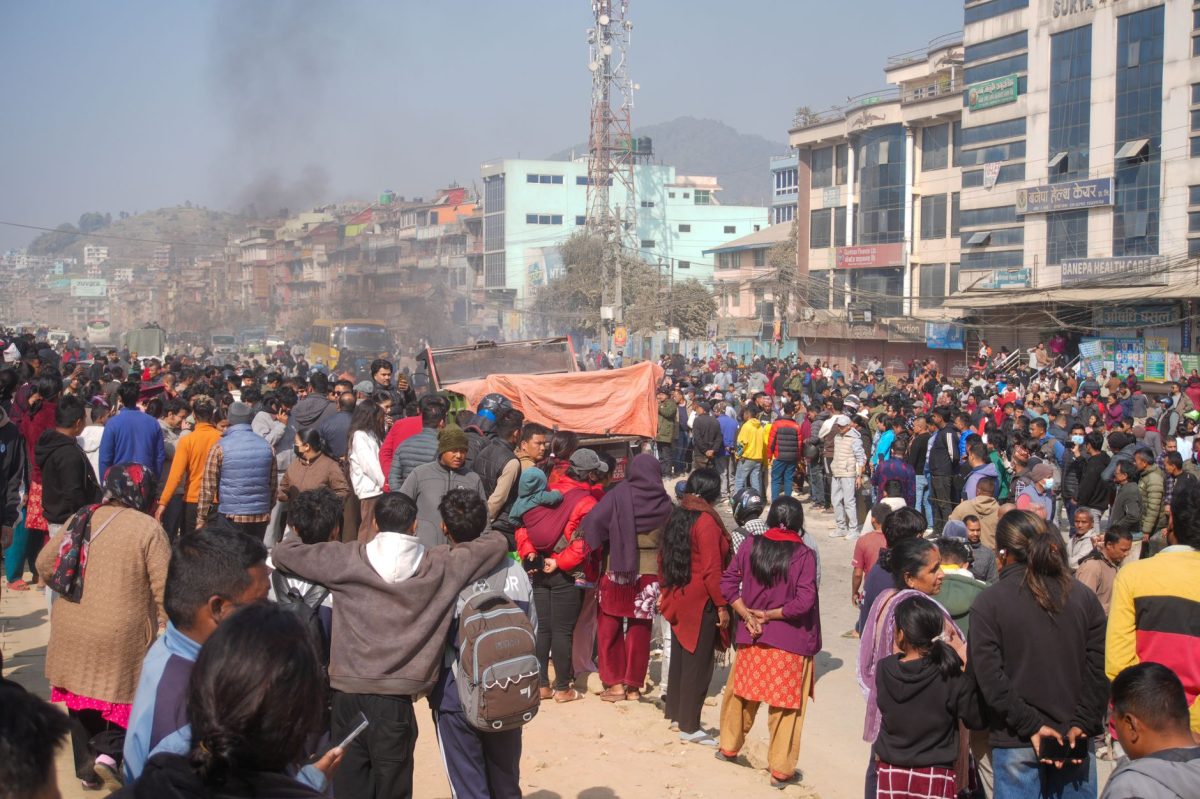
With rising global tensions and increasing violence, it's more important than ever to know how to protect yourself and stay safe. From understanding the root causes of conflict to staying informed and prepared, our guide will walk you through the essential steps to navigating this challenging landscape. Whether you're a world traveler, a concerned citizen, or simply someone who wants to stay safe, this guide is for you.
Step 1: **Understand** the Root Causes of Conflict
Conflict is often the result of complex historical, cultural, and economic factors. Start by researching the underlying causes of the conflict, including issues like territorial disputes, economic inequality, and cultural differences. Use resources like the BBC's Conflict Zone or the Council on Foreign Relations' Conflict Tracker to stay informed. This understanding will help you make informed decisions and stay safe.
Step 2: Stay Informed with **Reputable** News Sources
With so much misinformation circulating online, it's essential to stay informed with reputable news sources. Use trusted outlets like the New York Times, BBC, or NPR to stay up-to-date on global events. You can also use news aggregators like Apple News or Google News to curate a personalized feed of news stories. This will help you stay informed and avoid spreading misinformation.
Step 3: **Register** with Your Country's Travel Advisory Program
If you travel frequently or live in a region prone to conflict, register with your country's travel advisory program. The US Department of State's Smart Traveler Enrollment Program (STEP) is a great resource for US citizens. This will help you receive important safety and security updates, as well as contact information for emergency services. You can also use apps like Traveler's Alert or SafeTravel to stay informed on the go.
Step 4: **Learn** Basic Self-Defense Techniques
In the event of a conflict or natural disaster, it's essential to know basic self-defense techniques. Take a self-defense course or watch online tutorials to learn basic skills like de-escalation, escape routes, and physical self-defense. The International Association of Women Police offers free online self-defense courses for women, and the National Self Defense Institute offers courses for men and women. This will help you stay safe and confident in uncertain situations.
Step 5: Create a **Personal** Emergency Plan
In the event of a conflict or natural disaster, have a personal emergency plan in place. This should include contact information for emergency services, a list of important phone numbers, and a plan for evacuation or shelter. Use resources like the American Red Cross's Emergency Plan template or the Federal Emergency Management Agency's (FEMA) Personal Emergency Plan to create a customized plan. This will help you stay safe and prepared in emergency situations.
Step 6: **Stay** Connected with Family and Friends
In times of conflict or uncertainty, staying connected with loved ones is crucial. Use messaging apps like WhatsApp or Signal to stay in touch with family and friends, and consider using a virtual private network (VPN) to stay secure online. The National Center for Missing & Exploited Children offers a free online safety guide for families, which includes tips on staying connected and safe online. This will help you stay connected and supported during difficult times.
Step 7: **Be** Aware of Your Surroundings
In conflict zones or areas prone to natural disasters, it's essential to be aware of your surroundings. Use your senses to stay alert, and avoid areas with high levels of tension or violence. The US Department of State's Overseas Security Advisory Council (OSAC) offers free online safety guides for travelers, which include tips on staying aware of your surroundings. This will help you stay safe and avoid danger.
Step 8: **Know** Your Rights and Emergency Contacts
In the event of a conflict or natural disaster, know your rights and emergency contacts. Research your rights as a traveler or citizen, and know the contact information for emergency services. Use resources like the US Department of State's Travel Advisory Program or the International Committee of the Red Cross's (ICRC) Emergency Contact List to stay informed. This will help you stay safe and know what to do in emergency situations.
Step 9: **Stay** Calm and Patient in Crisis Situations
In the face of conflict or uncertainty, it's essential to stay calm and patient. Use relaxation techniques like deep breathing or meditation to stay calm, and avoid making impulsive decisions. The American Psychological Association (APA) offers free online resources on managing stress and anxiety, which can be helpful in crisis situations. This will help you stay safe and make informed decisions.
Step 10: **Review** and Update Your Safety Plan Regularly
Finally, regularly review and update your safety plan to ensure it remains relevant and effective. Use a safety checklist or template to stay organized, and review your plan with family and friends to ensure everyone is on the same page. The National Center for Missing & Exploited Children offers a free online safety guide for families, which includes tips on reviewing and updating your safety plan.
Many times, the best way to stay safe is to stay informed and prepared, rather than trying to avoid conflict or danger altogether. By following these steps and staying vigilant, you can reduce your risk and stay safe in uncertain times.
By following these 10 steps, you'll be well on your way to protecting yourself from escalating global conflict. Remember to stay informed, prepared, and vigilant, and don't hesitate to reach out for help if you need it. Stay safe, and stay informed!