How To Develop A Comprehensive Cotton-to-Clothing Value Chain: 10 Steps
A Beginner's Guide to Creating a Sustainable and Profitable Cotton-to-Clothing Value Chain
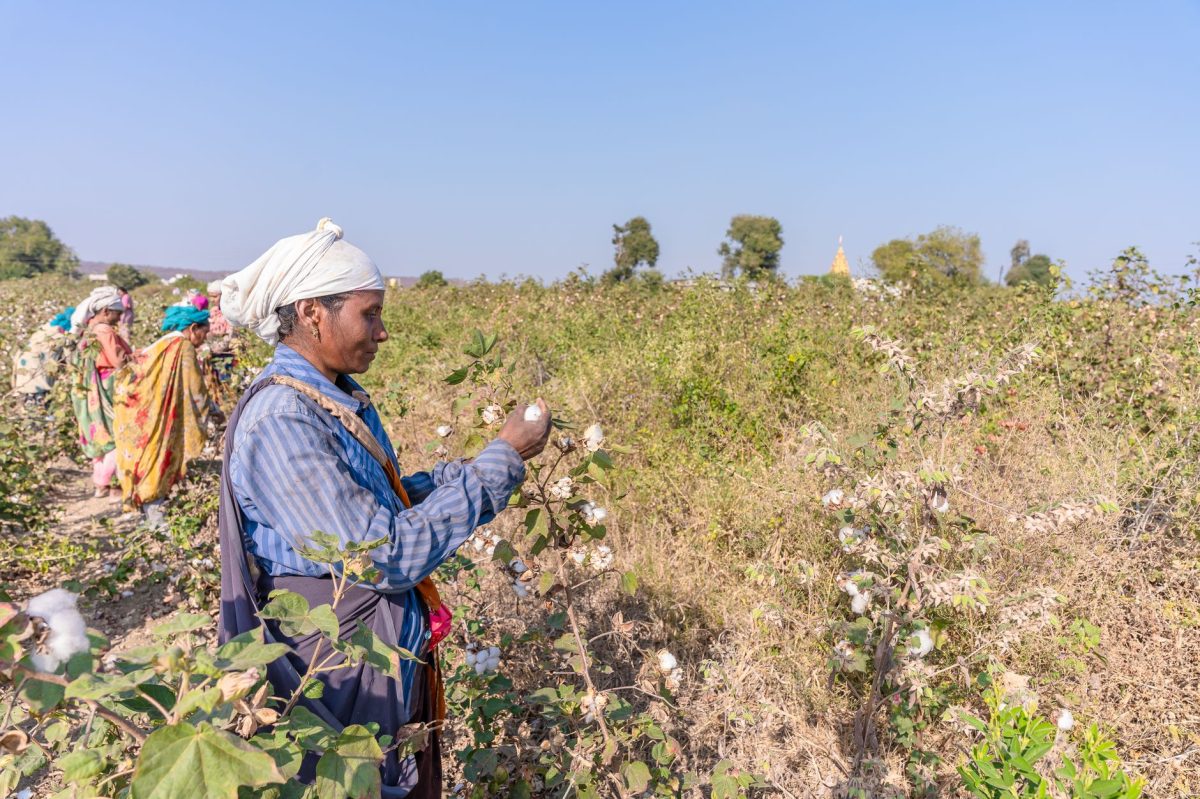
With the growing demand for sustainable and eco-friendly fashion, creating a comprehensive cotton-to-clothing value chain is becoming increasingly important for fashion brands and retailers. However, this process requires careful planning, execution, and management. In this guide, we will walk you through the 10 essential steps to develop a successful cotton-to-clothing value chain.
Step 1: **Research** the Cotton-to-Clothing Value Chain
Start by researching the current cotton-to-clothing value chain, including the different stages, processes, and stakeholders involved. Identify the key players, such as cotton farmers, textile manufacturers, and fashion brands. Utilize online resources like the International Cotton Advisory Committee (ICAC) and the World Trade Organization (WTO) to gather information.
Step 2: **Develop** a Sustainable Cotton Production Plan
Create a plan for sustainable cotton production, including the use of organic cotton, reduced water and pesticide usage, and fair labor practices. Implement a system to track and monitor cotton production, ensuring quality and consistency. Consider using tools like the Global Organic Textile Standard (GOTS) or the Better Cotton Initiative (BCI) to guide your process.
Step 3: **Establish** Relationships with Cotton Farmers
Build relationships with cotton farmers, providing them with training, resources, and support to improve their farming practices. Consider partnering with local farmers' organizations or cooperatives to facilitate communication and collaboration. Use tools like the Farmer Connect platform to connect with farmers and track their progress.
Step 4: **Source** High-Quality Cotton
Source high-quality cotton from reputable suppliers, ensuring it meets your sustainable and quality standards. Consider using certifications like GOTS or BCI to verify the cotton's origin and sustainability. Use tools like the Cotton Information Platform (CIP) to access information on cotton production and trade.
Step 5: **Implement** Efficient Textile Manufacturing Processes
Implement efficient textile manufacturing processes, including the use of renewable energy, reduced water and waste usage, and environmentally friendly chemicals. Consider using technology like 3D printing or circular knitting to reduce fabric waste. Utilize tools like the Sustainable Apparel Coalition's (SAC) Higg Index to measure your environmental impact.
Step 6: **Develop** a Strong Supply Chain Management System
Develop a strong supply chain management system, including logistics, transportation, and inventory management. Use tools like the Supply Chain Management (SCM) software to track and monitor your supply chain, ensuring efficiency and transparency. Consider partnering with logistics providers like DHL or UPS to streamline your supply chain.
Step 7: **Monitor** and **Measure** Performance
Monitor and measure your performance throughout the value chain, using metrics like carbon footprint, water usage, and labor practices. Utilize tools like the Life Cycle Assessment (LCA) to evaluate your environmental impact. Consider using certifications like the ISO 14001 to demonstrate your commitment to sustainability.
Step 8: **Engage** with Stakeholders
Engage with stakeholders, including customers, employees, and suppliers, to ensure their needs and concerns are addressed. Use tools like social media and customer feedback platforms to gather insights and feedback. Consider conducting regular stakeholder engagement sessions to build trust and transparency.
Step 9: **Continuously Improve** the Value Chain
Continuously improve the value chain by gathering feedback, identifying areas for improvement, and implementing changes. Use tools like the Continuous Improvement (CI) methodology to drive change and innovation. Consider partnering with experts like consultants or industry associations to gain insights and guidance.
Step 10: **Communicate** the Value Chain Story
Communicate the value chain story to stakeholders, highlighting the benefits of sustainable cotton production, environmentally friendly textile manufacturing, and responsible supply chain management. Use tools like storytelling and visual content to convey your message. Consider creating a value chain report or sustainability report to demonstrate your commitment to sustainability.
Partner with experts like sustainability consultants or industry associations to gain insights and guidance on developing a comprehensive cotton-to-clothing value chain.
By following these 10 steps, you can develop a comprehensive cotton-to-clothing value chain that is sustainable, profitable, and responsible. Remember to continuously improve and innovate your value chain to stay ahead of the competition.