How To Support Displaced People in Crisis Situations Effectively
A step-by-step guide to making a positive impact during humanitarian crises
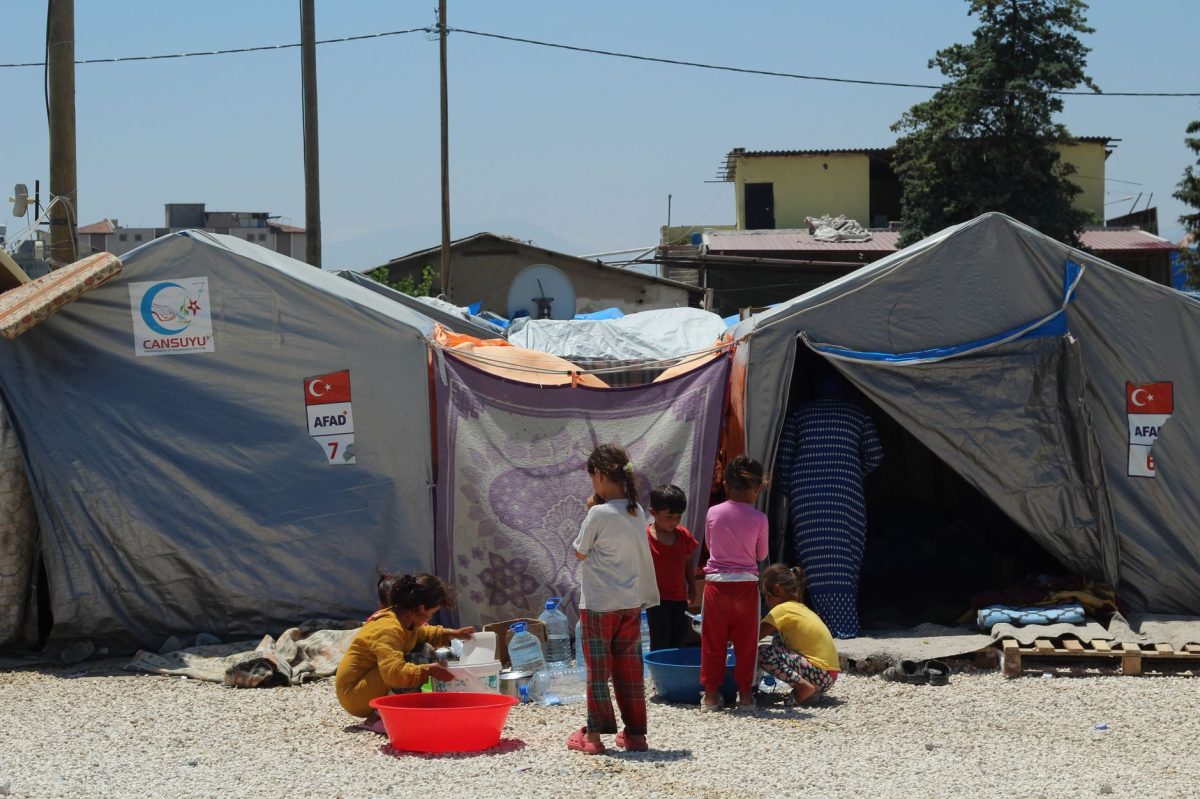
Over 4.5 million people in Darfur, Sudan, are affected by the ongoing conflict, with many struggling to access basic necessities like food and water. As the situation continues to deteriorate, it's more crucial than ever to find ways to make a positive impact. In this guide, we'll walk you through the 7 steps to effectively support displaced people in crisis situations.
Step 1: **Donate** to reputable organizations
Research and donate to organizations that provide essential aid to displaced people in Darfur, such as the UN Office for the Coordination of Humanitarian Affairs (OCHA) and the General Coordination of Camps for the Displaced and Refugees. Use online platforms like GiveWell, a non-profit organization that evaluates charities, to ensure your donation is going to an effective and transparent organization. You can also use online fundraising platforms like GoFundMe to create a personal campaign and raise awareness about the crisis. Set aside $50-$100 per month to make a sustainable impact.
Step 2: **Stay Informed** about the crisis
Follow reputable news sources, such as the United Nations, the BBC, and Al Jazeera, to stay up-to-date on the latest developments in Darfur. Use social media platforms like Twitter and Facebook to engage with organizations and individuals on the ground, and to share information and resources with your network. Create a spreadsheet or use a tool like Trello to track the latest news and updates, so you can quickly refer to them when needed. Allocate 30 minutes daily to stay informed.
Step 3: **Volunteer** your skills and time
Use online platforms like VolunteerMatch to find opportunities to volunteer your skills and time to organizations supporting displaced people in Darfur. Offer your services as a remote worker, such as social media management or graphic design, or use your language skills to translate documents and provide interpretation services. You can also use platforms like Zoom or Skype to connect with organizations and participate in virtual volunteer opportunities. Commit to volunteering for at least 2 hours per week.
Step 4: **Raise Awareness** about the crisis
Use your social media presence to raise awareness about the crisis in Darfur, by sharing articles, videos, and personal stories. Create a social media campaign using hashtags like #DarfurCrisis and #HumanitarianCrisis, and tag relevant organizations and influencers. Write a blog post or create a video to share your personal perspective on the crisis, and encourage others to take action. Allocate 1 hour per week to raise awareness.
Step 5: **Support** small-scale initiatives
Research and support small-scale initiatives, such as local charities or crowdfunding campaigns, that are providing essential aid to displaced people in Darfur. Use online platforms like Kickstarter or Indiegogo to find and support these initiatives, and share your support with your network. You can also use your skills to help these initiatives, such as writing a grant proposal or designing a logo. Allocate $20-$50 per month to support small-scale initiatives.
Step 6: **Advocate** for policy change
Use your voice to advocate for policy change, by writing to your government representatives or signing petitions. Use online platforms like Change.org to find and sign petitions related to the crisis in Darfur, and share your support with your network. Create a letter or email to your government representative, outlining the need for policy change and the impact it could have on displaced people in Darfur. Allocate 1 hour per week to advocate for policy change.
Step 7: **Build Relationships** with organizations and individuals
Build relationships with organizations and individuals on the ground in Darfur, by attending virtual events, joining online communities, and engaging in regular communication. Use platforms like Zoom or Skype to connect with organizations and participate in virtual networking opportunities. Create a spreadsheet or use a tool like Airtable to track your connections and relationships, so you can quickly refer to them when needed. Allocate 1 hour per week to build relationships.
Remember to take care of yourself during this process, as supporting displaced people in crisis situations can be emotionally challenging. Make sure to take breaks, practice self-care, and seek support from friends, family, or a mental health professional if needed.
By following these 7 steps, you can effectively support displaced people in crisis situations and make a positive impact during humanitarian crises. Remember to stay informed, volunteer your skills and time, and raise awareness about the crisis. As you take action, you'll not only be making a difference in the lives of displaced people but also becoming part of a global community working towards a more just and equitable world.