Sudan: Darfur's Displaced Bear Ever-Mounting Toll of Disease, Hunger, and Despair Amid Ongoing War

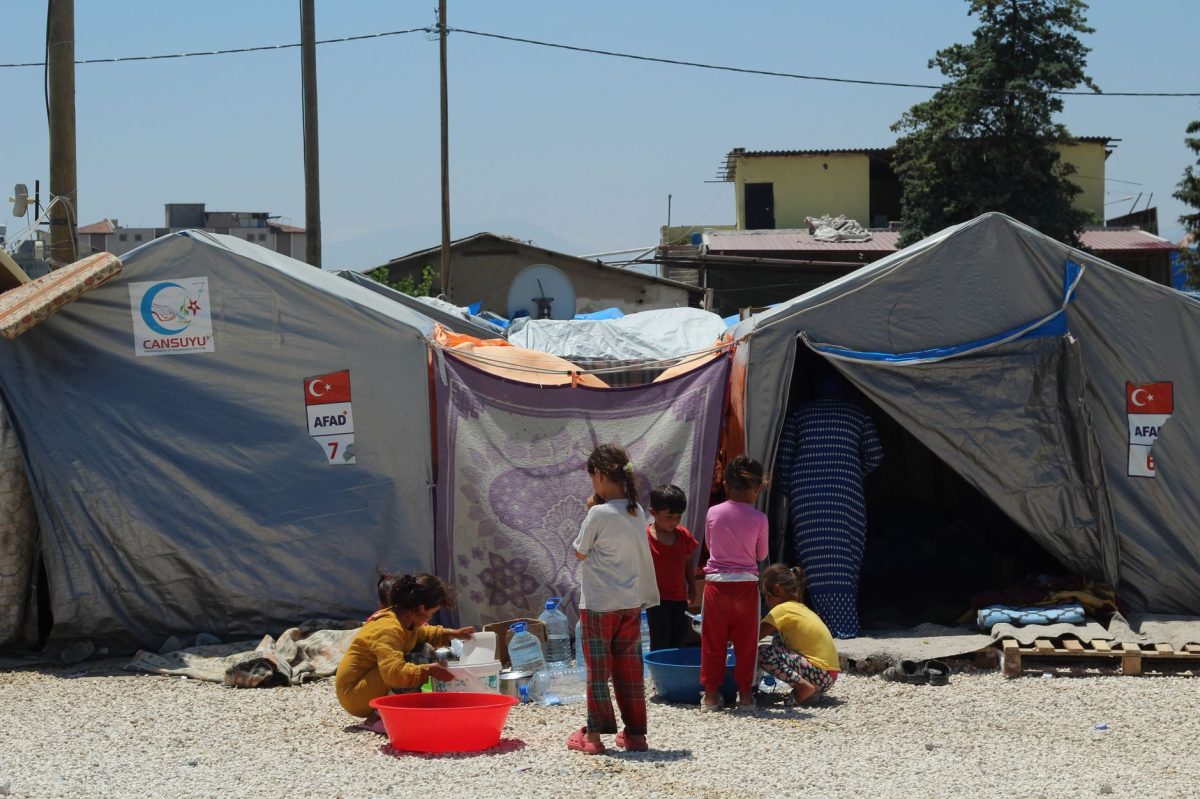
The General Coordination of Camps for the Displaced and Refugees in Darfur has sounded the alarm on a devastating humanitarian crisis unfolding in the region. The warning highlights the alarming rate at which disease, hunger, and despair are taking hold among the displaced population, as the conflict continues to ravage the area. This crisis has significant implications for the global community, as it threatens to exacerbate existing social, economic, and humanitarian challenges in the region and beyond.
Darfur's Displaced Face Catastrophic Deterioration in Humanitarian Conditions
The General Coordination of Camps for the Displaced and Refugees in Darfur has reported a catastrophic deterioration in humanitarian conditions across displacement camps in the region. According to the General Coordination, the situation is dire, with over 4.5 million people affected by the conflict, including 1.8 million internally displaced persons, as per the UN Office for the Coordination of Humanitarian Affairs (OCHA). The General Coordination has warned that the situation is becoming increasingly desperate, with many displaced individuals and families struggling to access basic necessities like food, water, and medical care. Account to Dabanga, a Darfur-based news outlet, revealed that the General Coordination has been working tirelessly to provide aid to the displaced population, but the scale of the crisis has overwhelmed their resources. The General Coordination has also reported a significant increase in the number of cases of diseases like cholera, malaria, and measles, which are spreading rapidly due to the lack of access to healthcare and sanitation facilities. In addition, the conflict has led to widespread destruction of homes, livestock, and crops, leaving many displaced individuals and families without a means of survival. The General Coordination has called on the international community to provide urgent assistance to alleviate the suffering of the displaced population and to address the root causes of the conflict.
A Global Crisis with Far-Reaching Consequences
The humanitarian crisis unfolding in Darfur has significant implications for the global community, as it threatens to exacerbate existing social, economic, and humanitarian challenges in the region and beyond. The conflict has led to a massive displacement of people, creating a huge influx of refugees and internally displaced persons who are struggling to access basic necessities like food, water, and medical care. According to the UNHCR, the displacement of people in Darfur has led to a significant increase in the number of refugees and asylum seekers in neighboring countries, including Chad, Sudan, and South Sudan. The crisis has also led to a significant increase in the number of cases of diseases like cholera, malaria, and measles, which are spreading rapidly due to the lack of access to healthcare and sanitation facilities. Furthermore, the conflict has led to widespread destruction of homes, livestock, and crops, leaving many displaced individuals and families without a means of survival. The global community must come together to provide urgent assistance to alleviate the suffering of the displaced population and to address the root causes of the conflict. This requires a concerted effort from governments, international organizations, and non-governmental organizations to provide humanitarian aid, support conflict resolution efforts, and promote sustainable development in the region.

“The situation in Darfur is catastrophic, and it's getting worse by the day. The international community must act quickly to provide humanitarian aid and support conflict resolution efforts to alleviate the suffering of the displaced population and to address the root causes of the conflict.”
What We Don't Know Yet
Despite the dire situation in Darfur, there are still many questions that remain unanswered. One of the biggest unknowns is the extent to which the conflict has affected the local economy, particularly in terms of the impact on trade and commerce. According to a report by the World Bank, the conflict has led to a significant decrease in economic activity in the region, with a decline in GDP of over 10% in 2022. Another unknown is the long-term impact of the conflict on the environment, particularly in terms of the destruction of natural resources and the degradation of the environment. The conflict has also led to a significant increase in the number of internally displaced persons, with many individuals and families forced to flee their homes in search of safety. However, the exact number of internally displaced persons is still unknown, and it's unclear how many people have been affected by the conflict. The international community must work to provide accurate and timely information to address these gaps in our understanding of the crisis and to inform our response.
Key Takeaways
- Over 4.5 million people have been affected by the conflict in Darfur, including 1.8 million internally displaced persons.
- The General Coordination of Camps for the Displaced and Refugees in Darfur has reported a catastrophic deterioration in humanitarian conditions across displacement camps in the region.
- The conflict has led to a significant increase in the number of cases of diseases like cholera, malaria, and measles, which are spreading rapidly due to the lack of access to healthcare and sanitation facilities.
- The international community must come together to provide urgent assistance to alleviate the suffering of the displaced population and to address the root causes of the conflict.
What to Watch
In the coming days and weeks, there are several key developments that will be worth monitoring. One of the most important will be the response of the international community to the crisis, particularly in terms of the provision of humanitarian aid and support for conflict resolution efforts. The UN has called for an emergency meeting of the Security Council to discuss the situation in Darfur, and it's expected that the meeting will take place within the next 24 hours. Another development to watch will be the impact of the conflict on the local economy, particularly in terms of the effect on trade and commerce. The conflict has already led to a significant decrease in economic activity in the region, and it's unclear how much longer this will continue. Finally, it's worth monitoring the situation on the ground, particularly in terms of the humanitarian conditions and the impact of the conflict on local communities.
According to a report by the World Bank, the conflict in Darfur has led to a significant decrease in economic activity in the region, with a decline in GDP of over 10% in 2022, and a loss of over $1 billion in economic output.
The humanitarian crisis unfolding in Darfur is a complex and deeply concerning issue that requires a concerted effort from the international community to address. The conflict has led to a catastrophic deterioration in humanitarian conditions, with over 4.5 million people affected, including 1.8 million internally displaced persons. The global community must come together to provide urgent assistance and support conflict resolution efforts to alleviate the suffering of the displaced population and to address the root causes of the conflict.