How To Stay Safe During Global Conflicts: 7 Essential Steps
Protect yourself and your loved ones from the risks of international tensions and military strikes
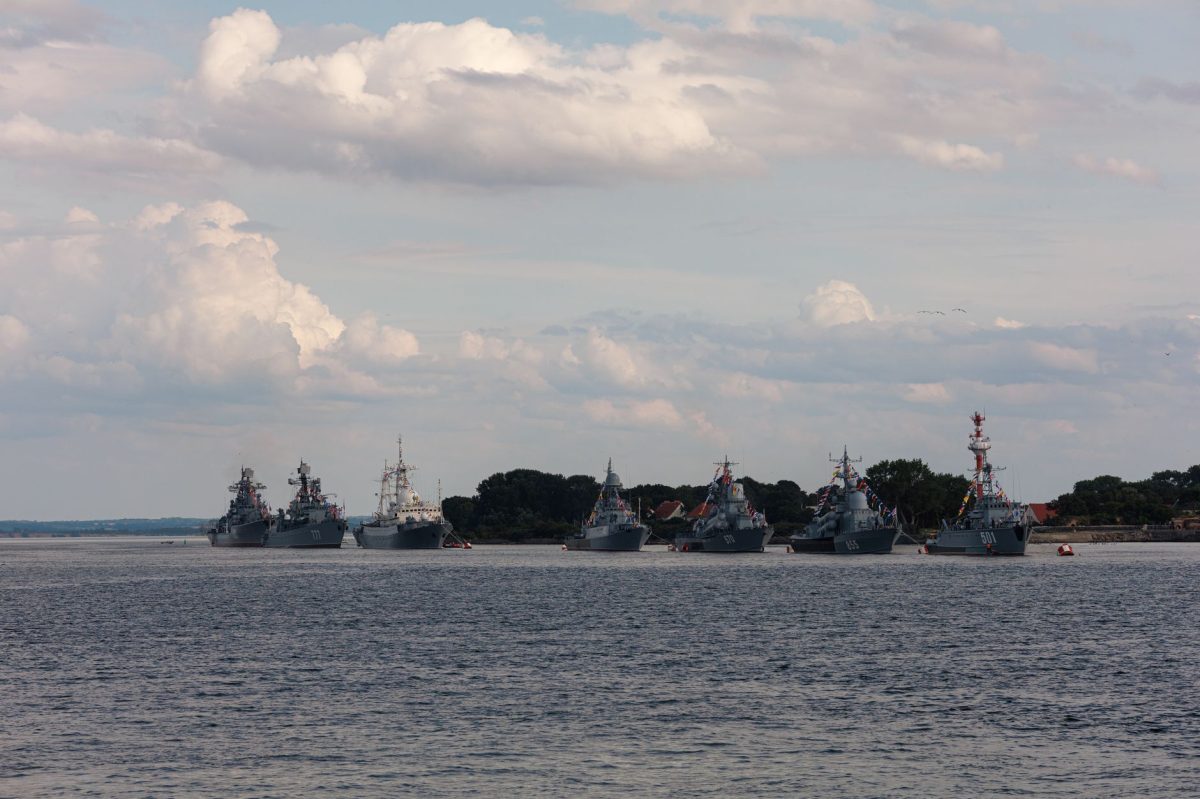
With the world becoming increasingly complex, staying safe during global conflicts is more crucial than ever. Whether you're a resident of a country involved in a conflict or just concerned about international tensions, this guide will walk you through the essential steps to protect yourself and your loved ones. In this article, we'll provide you with actionable tips to stay safe during military strikes and global conflicts, helping you navigate the uncertain world we live in.
Step 1: **Monitor** Global Events and News
Stay informed about the latest global news and events by following reputable sources such as BBC News, Al Jazeera, and The New York Times. Set up news alerts on your phone or sign up for newsletters from your favorite news outlets to receive updates in real-time. This will help you stay ahead of the curve and make informed decisions about your safety.
Step 2: **Create** an Emergency Kit
Assemble an emergency kit with essential items such as a first aid kit, non-perishable food, water, and a battery-powered radio. Make sure to include important documents like passports, identification, and insurance cards. Keep your emergency kit in an easily accessible location, such as a closet or a designated safe room in your home.
Step 3: **Identify** Safe Zones
Familiarize yourself with the safe zones in your area, such as schools, libraries, or community centers. These locations are often designated as safe havens during emergencies and may offer temporary shelter. Make sure to know the locations of these safe zones and have a plan to reach them quickly in case of an emergency.
Step 4: **Develop** a Communication Plan
Establish a communication plan with your loved ones, including phone numbers, email addresses, and social media handles. Designate a meeting point outside your home in case you get separated, and make sure everyone knows how to contact each other in an emergency. Consider investing in a two-way radio or a walkie-talkie to stay in touch during power outages or when phone service is down.
Step 5: **Stay** Informed About Travel Restrictions
Check the travel advisories for your destination and stay informed about any travel restrictions or warnings. Register with your country's travel advisory website, such as the U.S. Department of State's Smart Traveler Enrollment Program (STEP), to receive important safety and security updates about your destination.
Step 6: **Prepare** for Power Outages
Stock up on flashlights, batteries, and a portable charger to ensure you have a reliable source of light and power during an emergency. Consider investing in a backup generator or a solar-powered charger to keep your devices charged. Learn how to safely use candles and alternative lighting sources to avoid accidents.
Step 7: **Review** and Update Your Safety Plan
Regularly review and update your safety plan to ensure it remains relevant and effective. Check your emergency kit, update your communication plan, and review your safe zones to ensure you're prepared for any scenario. This will help you stay safe and adapt to changing circumstances during global conflicts and military strikes.
Consider investing in a personal safety app, such as bSafe or Life360, to stay connected with your loved ones and receive important safety updates.
By following these 7 essential steps, you'll be better equipped to stay safe during global conflicts and military strikes. Remember to regularly review and update your safety plan to ensure you're prepared for any scenario. Stay informed, stay vigilant, and stay safe.