How To Help Bumblebees Survive Heatwaves: 10 Expert Tips
Learn the best ways to create a bee-friendly environment and protect these vital pollinators from the impacts of climate change.
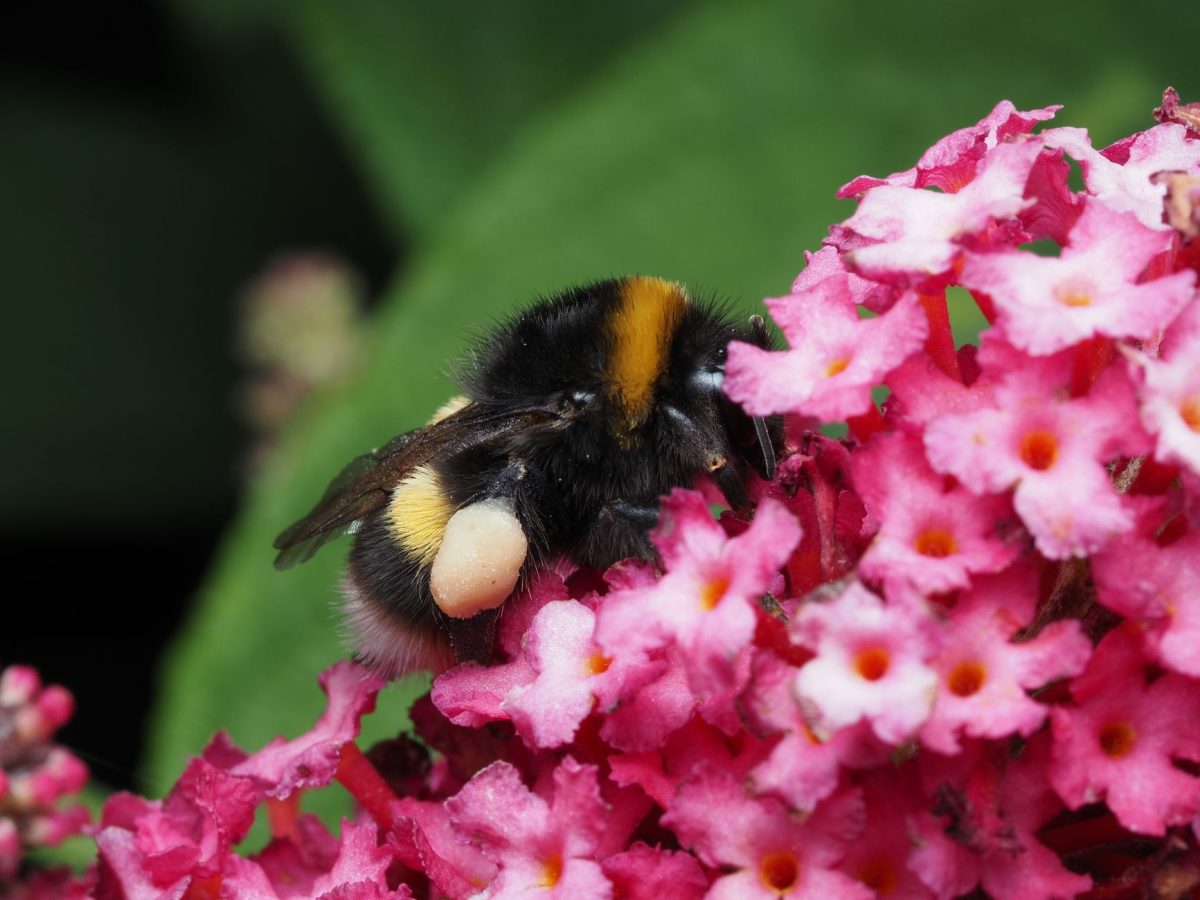
As UK bumblebees struggle to adapt to the increasing frequency and severity of heatwaves, it's essential to take action to ensure their survival. By implementing simple and effective strategies, you can create a bee-friendly environment and contribute to the conservation of these vital pollinators. In this guide, we'll share 10 expert tips to help bumblebees thrive in a changing climate.
Step 1: **Plant Heat-Tolerant Flowers**
Select flowers that are native to your region and can tolerate high temperatures, such as lavender, coneflower, and black-eyed Susan. Plant these flowers in a sunny spot with well-draining soil to provide a source of nectar and pollen for bumblebees. Consider using a mix of annuals and perennials to ensure a constant supply of food throughout the growing season.
Step 2: Provide Adequate Water Sources
Bumblebees need access to water to cool their bodies and regulate their temperature. Create a shallow water source, such as a birdbath or a dish, and place it in a shaded area to prevent it from evaporating too quickly. Add rocks or sticks to the water to provide a landing platform for bumblebees.
Step 3: Create a Bee Hotel
Bumblebees need a safe place to nest and lay their eggs. Create a bee hotel using materials such as bamboo, straws, or hollow reeds. Attach the hotel to a sunny wall or a tree trunk to provide a warm and sheltered spot for bumblebees to nest.
Step 4: Avoid Using Pesticides
Pesticides can harm or kill bumblebees, so it's essential to avoid using them in your garden. Instead, use natural methods to control pests, such as introducing beneficial insects or using physical barriers to prevent infestations.
Step 5: **Maintain a Sustainable Lawn**
A well-maintained lawn can provide a habitat for bumblebees and other beneficial insects. Use a lawn mower with a mulching feature to leave clippings on the lawn, which will act as a natural fertilizer and provide shelter for bumblebees. Consider using a push mower instead of a ride-on mower to reduce emissions and noise pollution.
Step 6: Provide a Source of Food for Bumblebees
Bumblebees need a constant source of food to survive, so provide them with a variety of nectar-rich flowers and pollen sources. Consider using a bee feeder or a sugar water feeder to supplement their diet during times of low nectar flow.
Step 7: **Monitor Local Weather Conditions**
Stay up-to-date with local weather forecasts to anticipate heatwaves and plan accordingly. Use a weather app or website, such as the Met Office or BBC Weather, to track temperature and precipitation levels and adjust your bee-friendly strategies accordingly.
Step 8: Create a Bee-Friendly Microclimate
Bumblebees thrive in areas with a mix of sun and shade, so create a bee-friendly microclimate by planting trees or shrubs that provide shade and shelter. Consider using a trellis or an arbor to provide a canopy for bumblebees to nest and forage under.
Step 9: **Support Local Beekeepers**
Beekeepers play a vital role in maintaining healthy bumblebee populations. Support local beekeepers by purchasing their honey and other bee products, and consider taking a beekeeping course to learn more about these essential pollinators.
Step 10: **Report Bumblebee Sightings**
Report bumblebee sightings to local conservation organizations or beekeeping associations to help track their populations and identify areas where they may be struggling. Use a bumblebee sighting app, such as BumbleBee Watch or BeeSpotter, to report your sightings and contribute to the conservation of these vital pollinators.
One expert insight is to avoid using invasive plant species, which can outcompete native flowers and harm local ecosystems. Instead, choose plants that are native to your region and have been tested for their suitability for local bee populations.
By following these 10 expert tips, you can create a bee-friendly environment and contribute to the conservation of bumblebees. Remember to stay informed about local weather conditions and adjust your strategies accordingly to ensure the survival of these vital pollinators. Take action today to make a difference in the lives of bumblebees!