How To Find New Animal Species Like The Orange-Lipped Monkey: The Ultimate Beginner's Guide
Uncover the Best Ways to Spot Rare Wildlife and Contribute to Groundbreaking Scientific Discoveries
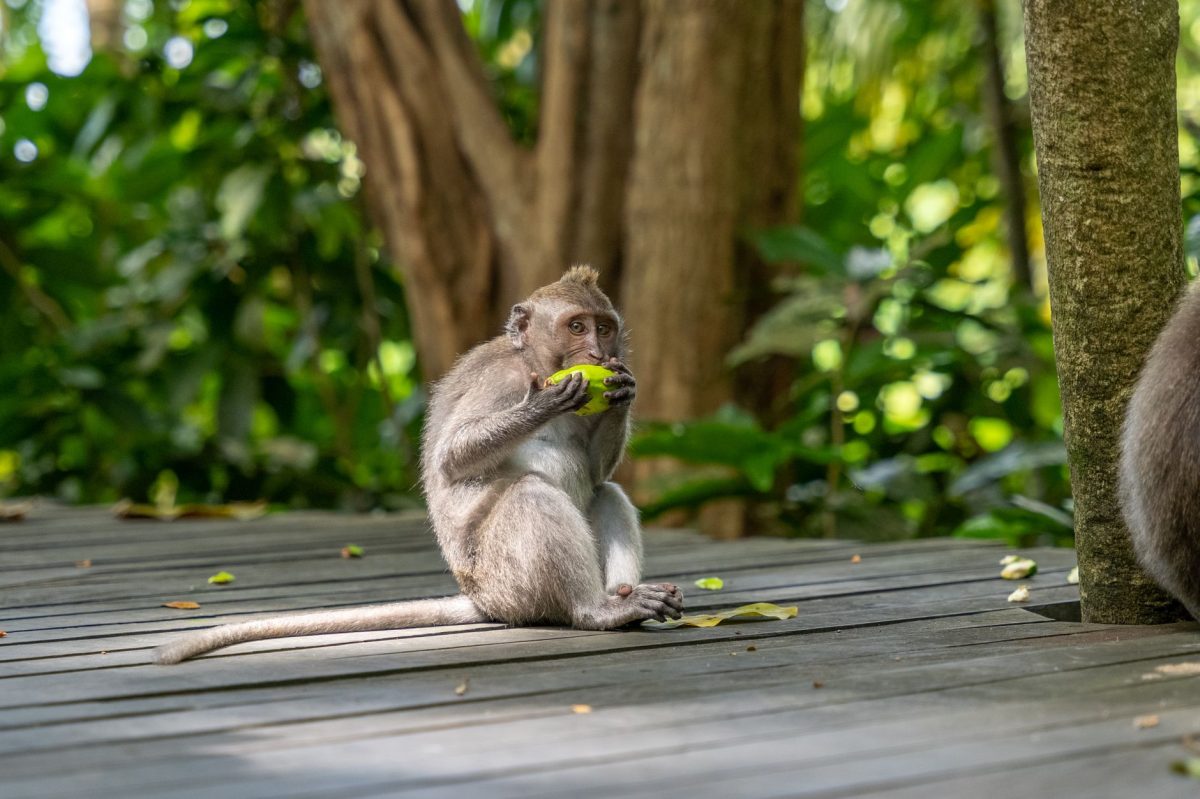
The discovery of a new monkey species with orange lips in the Democratic Republic of Congo is a thrilling reminder of the incredible diversity of life on our planet. As a nature enthusiast, you might be wondering how scientists find these incredible creatures. In this guide, you'll learn the best ways to spot rare wildlife and contribute to groundbreaking scientific discoveries. By following these steps, you'll gain a deeper understanding of the world's most fascinating creatures and the importance of conservation.
Step 1: Research the Best Wildlife Hotspots
The best way to find new animal species is to research the world's most biodiverse regions. Use online resources like the IUCN Red List or the World Wildlife Fund to identify areas with high levels of endemism. Some of the best hotspots for wildlife discovery include the Amazon rainforest, the Congo Basin, and the Himalayas. Explore these regions using Google Earth or satellite imagery to get an idea of the terrain and potential habitats.
Step 2: Learn to Identify Rare Animals
To spot rare wildlife, you need to know what to look for. Study the characteristics of the animal you're trying to find, including its size, color, and behavior. Use field guides or online resources like the Animal Diversity Web to learn more about the animal's habits and habitats. Practice your identification skills by studying photos and videos of the animal online.
Step 3: Join a Citizen Science Project
Many organizations, like Zooniverse or Citizen Science Alliance, offer opportunities for individuals to contribute to scientific research. Look for projects that involve wildlife monitoring, species identification, or data collection. These projects are a great way to gain hands-on experience in wildlife conservation and contribute to real scientific discoveries.
Step 4: Attend Wildlife Conservation Workshops or Conferences
Attend workshops or conferences focused on wildlife conservation to learn from experts in the field. These events provide a chance to network with like-minded individuals and stay up-to-date on the latest research and techniques. Network with scientists and conservationists to learn about new opportunities and collaborations.
Step 5: Support Conservation Efforts
Finally, consider supporting conservation organizations or initiatives that work to protect rare and endangered species. Donate to organizations like the World Wildlife Fund or the Wildlife Conservation Society to help fund research and conservation efforts. Volunteer your time or skills to make a real difference in the world of wildlife conservation.
One expert insight most people overlook is the importance of **non-invasive research methods**. Many scientists are now using camera traps, acoustic sensors, and other non-invasive technologies to study wildlife without disrupting their habitats or behavior.
By following these steps, you'll gain a deeper understanding of the world's most fascinating creatures and the importance of conservation. Remember, spotting rare wildlife is just the beginning – the real goal is to contribute to groundbreaking scientific discoveries and protect our planet's incredible biodiversity. Next step: explore the best wildlife hotspots and start your journey as a wildlife researcher.