How To Build Effective Diplomatic Relationships: The 10 Steps
Strengthen Your International Connections and Avoid Cultural Missteps
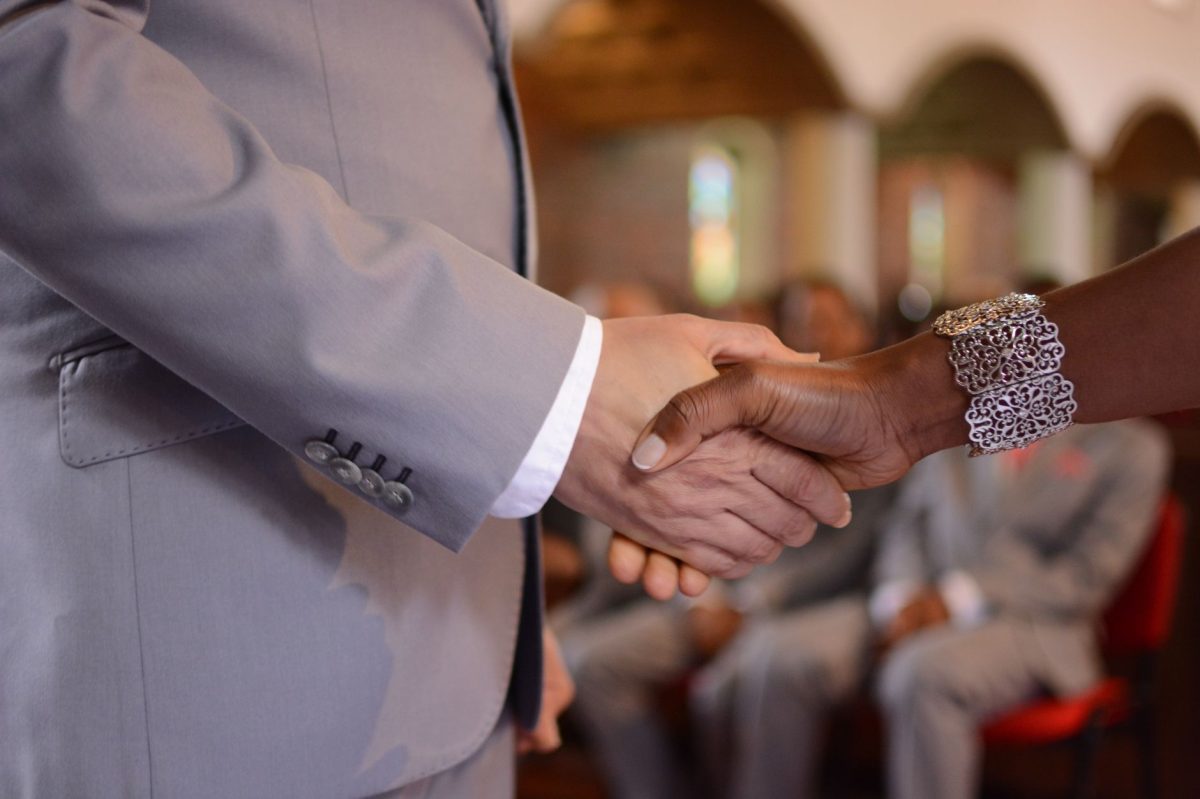
As the world becomes increasingly interconnected, building effective diplomatic relationships has never been more crucial. However, navigating cultural differences and avoiding missteps can be daunting. In this guide, you'll learn the 10 essential steps to build strong international connections and foster lasting relationships.
Step 1: Understand Your Intended Audience
Begin by researching your target audience's culture, values, and customs. Use resources like the US Department of State's Country Information to learn about the local etiquette and norms. This will help you tailor your approach and avoid unintentionally offending your counterparts.
Step 2: Set Clear Goals and Objectives
Define what you hope to achieve through your diplomatic efforts. Are you seeking trade agreements, cultural exchange, or security cooperation? Having clear goals will guide your actions and ensure a focused approach. Consider using tools like MindMeister to create a mind map of your objectives and key performance indicators.
Step 3: Choose the Right Communication Channels
Select the most effective communication channels for your audience, whether it's in-person meetings, phone calls, or video conferencing. Consider the language barriers and time zones when scheduling meetings. Utilize platforms like Google Translate to facilitate language translation and World Time Buddy to manage different time zones.
Step 4: Be Respectful and Adaptable
Demonstrate respect for your counterparts' culture and traditions. Be open to learning from them and adapting your approach as needed. This may involve attending local events, trying traditional cuisine, or participating in cultural activities. Show willingness to listen and understand their perspective.
Step 5: Use Active Listening Skills
Practice active listening by maintaining eye contact, avoiding interruptions, and paraphrasing key points. This will help you build trust and ensure understanding. Remember that listening is just as important as speaking in diplomatic relationships. Use tools like Evernote to take detailed notes and follow up on key points.
Step 6: Foster a Positive and Collaborative Atmosphere
Create a positive and collaborative atmosphere by focusing on shared interests and goals. Use icebreaker games to help build rapport and establish common ground. Encourage open communication and feedback to ensure a constructive dialogue.
Step 7: Manage Conflicts and Crises
Develop a contingency plan to address potential conflicts and crises. Establish clear protocols for crisis management and have a team in place to respond quickly. Use crisis management software like Crisis24 to stay informed and prepared.
Step 8: Leverage Technology and Data
Harness the power of technology and data to support your diplomatic efforts. Use tools like Tableau to analyze data and identify trends. Leverage social media platforms to engage with your audience and build relationships. Utilize language translation APIs to facilitate communication across languages.
Step 9: Evaluate and Improve Relationships
Regularly evaluate the effectiveness of your diplomatic relationships and identify areas for improvement. Use relationship mapping tools like Relate to visualize your connections and identify key influencers. Analyze data and feedback to refine your approach and optimize your relationships.
Step 10: Foster a Culture of Continuous Learning
Encourage a culture of continuous learning within your organization by providing training and resources on diplomatic best practices. Use online courses like Coursera to upskill your team and stay updated on the latest trends and techniques. Foster a mindset of adaptability and openness to new ideas and perspectives.
Remember that building diplomatic relationships is a long-term effort that requires patience, persistence, and a willingness to learn and adapt.
By following these 10 steps, you'll be well on your way to building effective diplomatic relationships and navigating the complexities of international connections. Remember to stay adaptable, respectful, and open-minded, and always be willing to learn and improve. Next, consider exploring advanced topics like cultural intelligence and negotiation strategies to further enhance your diplomatic skills.