How To Protect Yourself From Human Trafficking Networks
Stay safe online and offline with these 5 crucial steps to prevent migrant-smuggling schemes
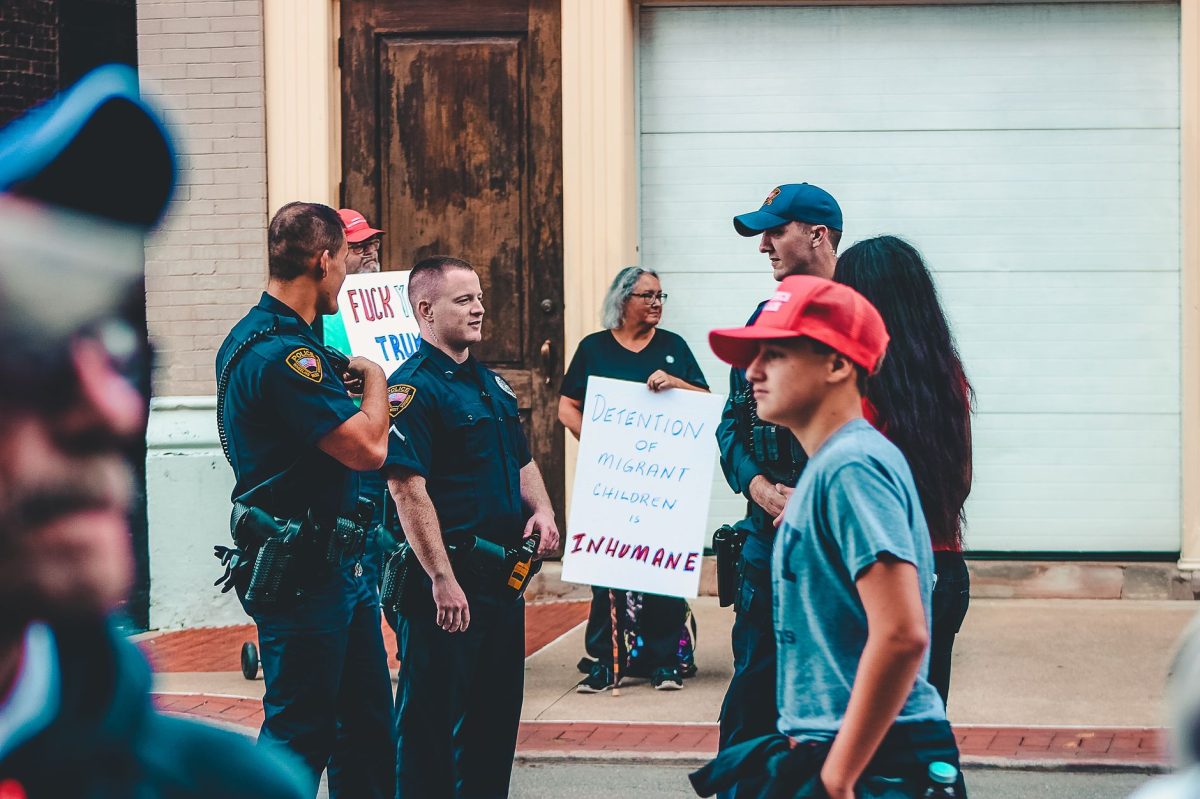
Human trafficking and migrant smuggling are rising concerns worldwide. As a result, it's essential to know how to protect yourself from these networks. In this guide, you'll learn 5 practical steps to stay safe online and offline.
Step 1: Verify Travel Agency Licenses
To avoid falling victim to migrant-smuggling schemes, research the licenses of any travel agencies you intend to use. Check with your local authorities or the International Air Transport Association (IATA) to ensure the agency is legitimate. You can also use online tools like the IATA Travel Agency Directory to verify licenses.
Step 2: Be Cautious with Social Media Ads
Beware of fake social media ads that promise quick and easy solutions to immigration issues. These ads often lead to scams and human trafficking networks. If you're looking to migrate, consult official government websites or registered migration agencies for accurate information.
Step 3: Use Secure Payment Methods
When making payments for travel or migration services, use secure payment methods like credit cards or PayPal. Avoid using cash or unsecured payment platforms to minimize the risk of financial loss. You can also consider using online escrow services to protect your payments.
Step 4: Monitor Your Online Activity
Regularly check your online accounts for suspicious activity, and keep your passwords and login credentials secure. Use two-factor authentication and enable account monitoring to detect any potential security breaches.
Step 5: Report Suspicious Activity
If you suspect any suspicious activity or human trafficking schemes, report it to the authorities immediately. You can contact your local police department or national human trafficking hotline for assistance. In the US, you can call the National Human Trafficking Hotline at 1-888-373-7888.
Many human trafficking networks use romance scams to lure victims. Be cautious of unsolicited messages or requests from strangers, and never send money or personal information to someone you've just met online.
By following these 5 steps, you can significantly reduce your risk of falling victim to human trafficking networks. Stay vigilant, stay informed, and always prioritize your safety and security.